Bangladesh stands at a critical democratic crossroads as it prepares for its first national elections since the 2024 uprising that ousted long-serving Prime Minister Sheikh Hasina. Scheduled for February 12, these elections represent the most significant electoral process in the nation’s history, with profound implications for its political future.
Interim leader Muhammad Yunus, the Nobel laureate known as “banker to the poor” for his groundbreaking work with Grameen Bank, has committed to overseeing free and fair elections. Returning from exile in August 2024 amid popular demand, Yunus leads a transitional government that has championed comprehensive political reforms through the National Charter of July 2025.
The reform charter proposes substantial constitutional changes including enhanced presidential powers, term limits for parliament members, and robust anti-corruption measures. While 25 of 52 registered parties have endorsed the charter, its implementation requires a national referendum to achieve constitutional status.
Notably absent from the electoral landscape is Hasina’s Awami League, barred from participation since May following the suspension of its registration. The 78-year-old former leader, convicted in absentia for crimes against humanity during violent crackdowns on protesters, currently resides in India under political asylum.
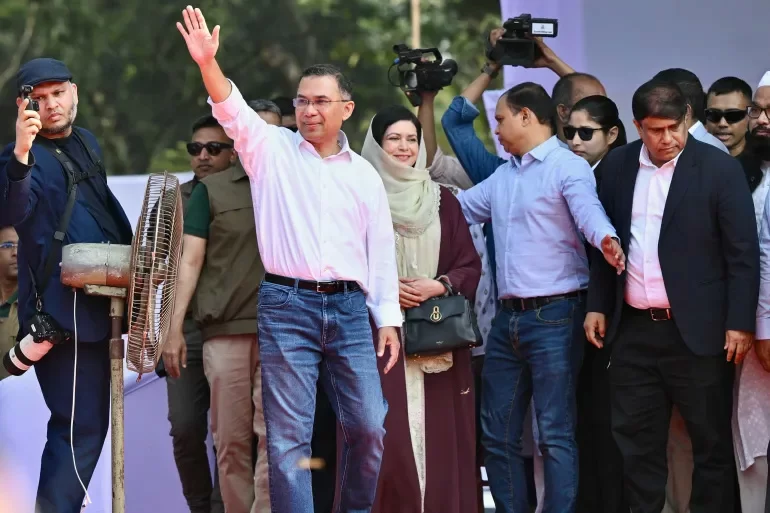
Political dynamics feature Tarique Rahman, chairman of the Bangladesh Nationalist Party (BNP) and son of former Prime Minister Khaleda Zia, emerging as a frontrunner. His campaign launch in Sylhet attracted massive crowds, signaling strong popular support. Simultaneously, a ten-party coalition led by Jamaat-e-Islami seeks to expand its influence, potentially marking a dramatic resurgence for the group that faced severe suppression during Hasina’s administration.
The electoral process occurs amid concerning challenges including disinformation campaigns that Yunus attributes to both foreign media and domestic sources. These developments coincide with deteriorating relations with neighboring India following Hasina’s flight to the country during the palace storming by protesters.
With 170 million citizens electing 350 parliamentary representatives, European Union observers have designated this event “the largest democratic process of 2026,” underscoring its global significance and potential to reshape South Asian politics.