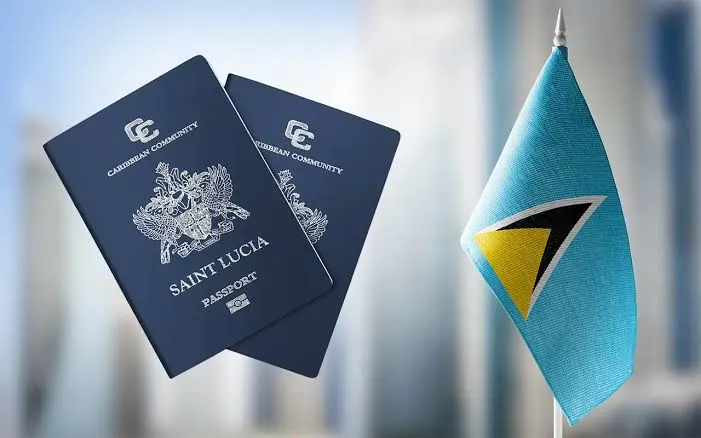
Recent US policy directives have placed Caribbean nations at a critical juncture, compelling regional leaders to navigate complex diplomatic and sovereignty challenges. Key developments include American requests for third-country deportee acceptance, withdrawal from international organizations, and the controversial suspension of visa categories for several Caribbean states.
This geopolitical dynamic revives the adage that ‘when America sneezes, the Caribbean catches cold,’ highlighting the region’s vulnerability to US policy fluctuations. The current situation reflects not merely policy disagreements but fundamental questions about neocolonial practices and power asymmetry. Historical doctrines like the Monroe Doctrine and Roosevelt Corollary appear to persist through modern mechanisms that potentially compromise Caribbean sovereignty.
The Citizenship by Investment (CBI) programs frequently cited as justification for US actions demonstrate questionable relevance, as data reveals no substantial evidence linking these programs to increased migration threats or security concerns. Countries without CBI programs face similar treatment, suggesting broader geopolitical motivations beyond stated immigration concerns.
Caribbean leaders face a dilemma between ideological consistency and economic pragmatism. Saint Lucia’s Prime Minister recently signed a memorandum understanding deportee acceptance, illustrating the practical compromises smaller economies must consider. Meanwhile, Trinidad and Tobago’s energy-based alignment with US interests has spared it from certain restrictions, creating regional divisions that undermine integration efforts.
The fundamental tension centers on whether Caribbean nations can maintain sovereign decision-making while acknowledging economic dependencies on US tourism, trade relationships under the Caribbean Basin Initiative, and remittance flows. Professor Justin Robinson’s framework emphasizes preserving the region’s ‘deep bonds driven by geography, family, culture, and shared values’ while navigating these complex international relations.