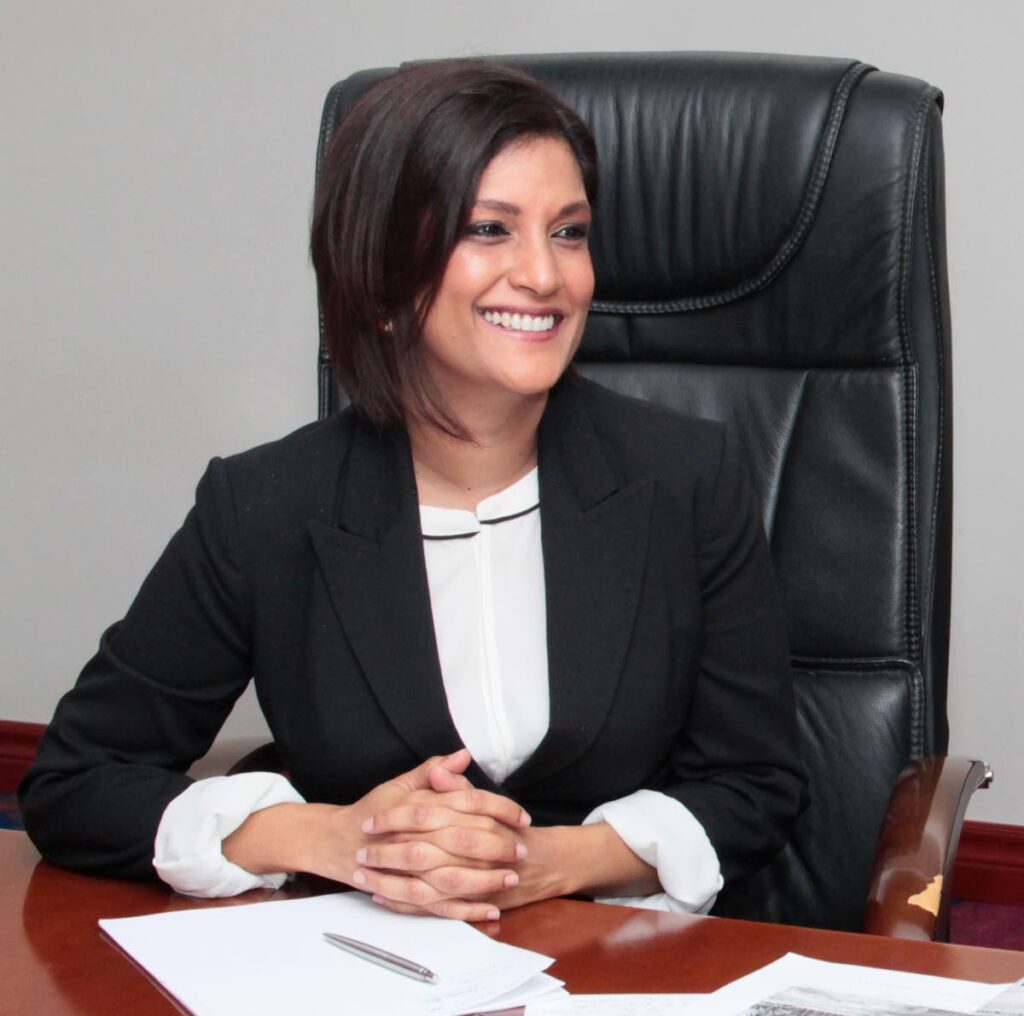
In a striking political confrontation, Mickela Panday, prominent opposition figure, has publicly denounced Prime Minister Kamla Persad-Bissessar for her vehement criticism of independent senators regarding the contentious Law Reform (Zones of Special Operations) Bill, 2026. The legislative battle centers on a security bill that would empower the Prime Minister, as National Security Council chair, to designate special security zones for up to 180 days in consultation with police and military leadership.
The parliamentary mathematics reveals the government’s challenge: the bill requires 19 votes in the Senate for passage, yet the ruling party controls only 15 seats against the opposition’s 6 and independents’ 9. This arithmetic has intensified the political stakes, prompting Persad-Bissessar’s reported characterization of independent senators as ‘shameless,’ ‘bootlickers,’ and individuals who ‘had no courage to contest any election.’
Panday’s rebuttal presents a constitutional defense of the Senate’s structure, noting that all senators—government, opposition, and independent—hold appointed rather than elected positions. She highlights the constitutional provisions whereby government and opposition senators are appointed by the President on advice of the Prime Minister and Opposition Leader respectively, while nine independents are appointed without consultation with either office.
The critique extends beyond procedural matters to fundamental democratic principles. Panday warns that attacking oversight institutions and treating constitutional roles as obstacles represents the ‘early stages of a creeping dictatorship.’ She challenges the Prime Minister to pursue formal constitutional reform rather than condemn appointment mechanisms while simultaneously relying on them, noting her late father, former Prime Minister Basdeo Panday, long advocated for constitutional modernization.
The Senate debate, which began January 20th and continues through January 23rd, has thus evolved from a legislative discussion into a broader examination of democratic governance and the proper role of appointed officials in a parliamentary system.