Suriname’s Ministry of Health, Welfare, and Labor has officially confirmed an outbreak of chikungunya virus within the country, marking a significant public health development. Laboratory analyses conducted by both the Central Laboratory of the Bureau of Public Health and the Academic Hospital Paramaribo have identified eight confirmed cases of the mosquito-borne illness.
What makes this outbreak particularly noteworthy is that none of the infected individuals had recently traveled abroad, indicating local transmission within Suriname. This pattern suggests established mosquito-borne viral circulation in the community.
Chikungunya, a viral infection transmitted primarily by Aedes mosquitoes—the same vectors responsible for dengue, zika, and yellow fever—manifests with symptoms including sudden high fever, severe joint pain and swelling, headaches, fatigue, and occasionally skin rashes. The virus is not directly transmitted between humans but spreads when mosquitoes bite infected individuals and then transfer the virus to others.
Health authorities have initiated comprehensive epidemiological investigations, including contact tracing, enhanced laboratory testing, and strengthened surveillance systems to contain further spread. The ministry emphasized that while serious complications are rare, joint pain can persist for weeks or even months following infection. Elderly individuals, young children, pregnant women, and those with chronic health conditions face elevated risks of complications.
Medical guidance recommends against using aspirin or ibuprofen for symptom management, instead advising paracetamol for pain and fever relief, adequate hydration, rest, and seeking medical attention if symptoms worsen.
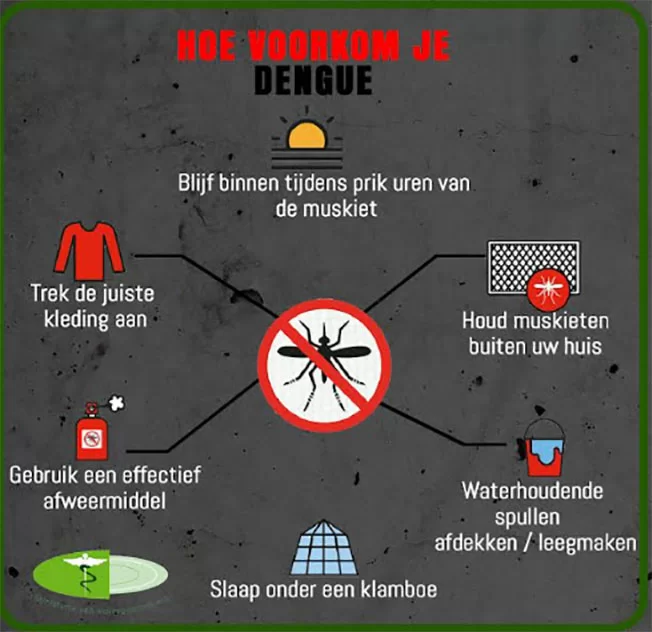
The ministry has committed to providing timely, accurate, and transparent updates as new information emerges. Simultaneously, they urge citizens to actively participate in mosquito control efforts by eliminating breeding sites—particularly standing water in containers, tires, flower pots, and buckets—while also recommending protective clothing and insect repellents as essential preventive measures.