A significant political dispute has emerged between Guyana’s two main opposition parties, the Partnership for National Unity (APNU) and We Invest in Nationhood (WIN), regarding their inability to initiate collaborative discussions over the past two months.
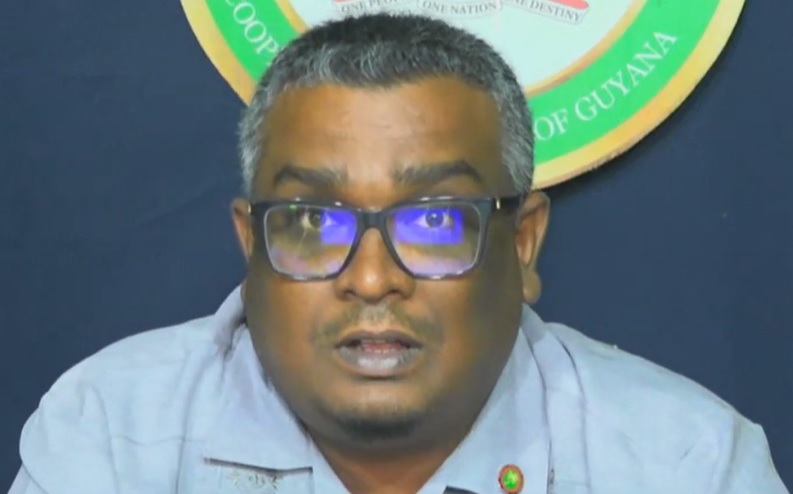
APNU Parliamentarian Ganesh Mahipaul publicly criticized WIN leadership for failing to confirm scheduling details for meetings initially proposed in November 2023. According to Mahipaul, both parties had progressed to selecting five-member delegations and establishing a preliminary agenda before negotiations stalled. He revealed that one planned meeting was canceled due to APNU parliamentary leader Dr. Terrence Campbell’s out-of-town commitments.
Mahipaul, who also serves as an executive member of the People’s National Congress Reform (PNCR)—APNU’s largest coalition partner—asserted that subsequent attempts to reengage WIN leadership proved unsuccessful. The proposed agenda included critical parliamentary matters such as committee compositions, Public Accounts Committee chairmanship, shadow minister appointments, and sectoral committee leadership.
The parliamentarian expressed frustration with WIN’s perceived lack of genuine interest in forming a unified opposition front against the ruling People’s Progressive Party Civic (PPPC). He specifically questioned WIN Leader Azruddin Mohamed’s motivations, suggesting his current focus centered on personal legal matters rather than parliamentary cooperation.
In response, WIN Leader Azruddin Mohamed expressed strong disapproval of Mahipaul’s characterization, countering that his party had made substantial efforts to initiate talks. Mohamed accused Mahipaul of improperly demanding chairmanship of the influential Public Accounts Committee and referenced his family’s historical financial support for APNU and Mahipaul personally.
Mahipaul acknowledged past financial assistance from Mohamed during a family health emergency but dismissed the relevance to current political discussions. Regarding the PAC chairmanship, Mahipaul clarified he had made a proposal—not a demand—based on APNU’s parliamentary experience, while offering support for WIN’s leadership of other committees.
The conflict reflects deeper tensions between the parties, with APNU controlling 12 parliamentary seats compared to WIN’s 16 seats, and the Forward Guyana Movement holding one seat. This political friction dates back to the 2025 election campaign when APNU accused WIN of voter poaching through financial inducements in traditional APNU strongholds.