The Trinidad and Tobago government has reached a landmark settlement to resolve a protracted compensation dispute with former private sugarcane farmers, concluding a decade-long legal battle stemming from the closure of Caroni (1975) Ltd during the Manning administration.
This resolution emerged from a High Court hearing where the Attorney General’s Office consented to an order addressing 256 claims filed by former farmers seeking enforcement of a Cabinet-approved compensation package from December 2014. The original agreement authorized a $130 million settlement package structured in three tranches to address the 2007 transition out of the sugar industry.
The compensation framework included an initial $27 million from European Union funds under the Sugar Protocol Programme, followed by $75 million upon receipt of 8 million euros from the EU in 2015, and a final $28 million payment in 2016. Despite receiving the European funds in 2015, the previous administration diverted the money into the Consolidated Fund for general government expenditure instead of compensating the farmers.
Prime Minister Kamla Persad-Bissessar, whose administration originally approved the compensation package, had pledged during the recent election campaign that a UNC government would honor the commitment. The matter was finally resolved before Justice Gobin on January 16, with the state agreeing to implement the outstanding payments.
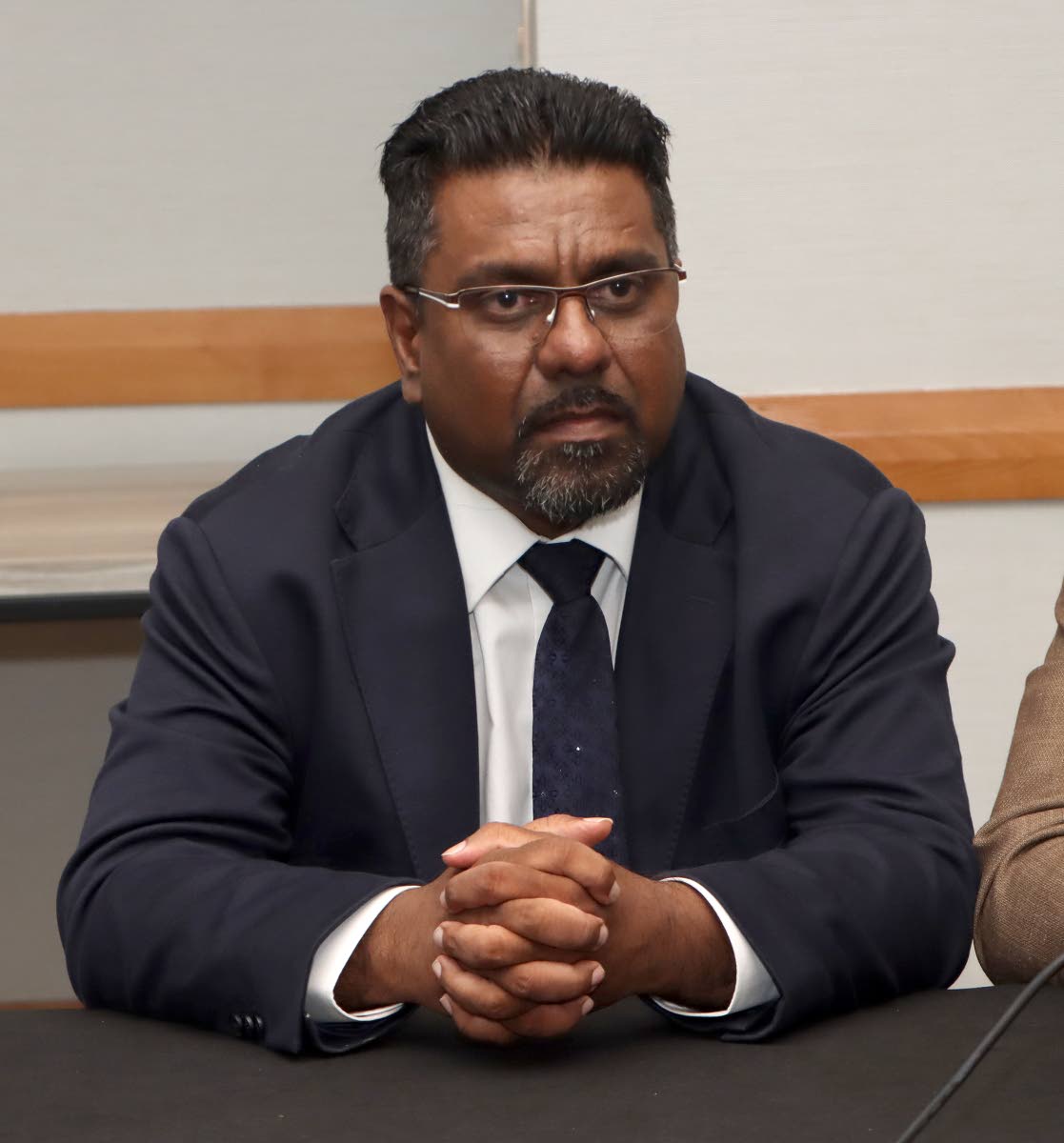
Attorney Gerald Ramdeen, representing the former farmers, expressed appreciation for the resolution, stating: “I wish to thank the honorable prime minister and the attorney general for doing what should have been done ten years ago. The actions of the present Attorney General have brought ten years of discrimination by the PNM to an end.”
The settlement concludes years of legal challenges, including unsuccessful state appeals and a 2019 Court of Appeal decision that favored six former sugarcane farmers. The farmers had rejected a 2016 government offer of $84 million instead of the promised $130 million, choosing instead to pursue full compensation through the judicial system.