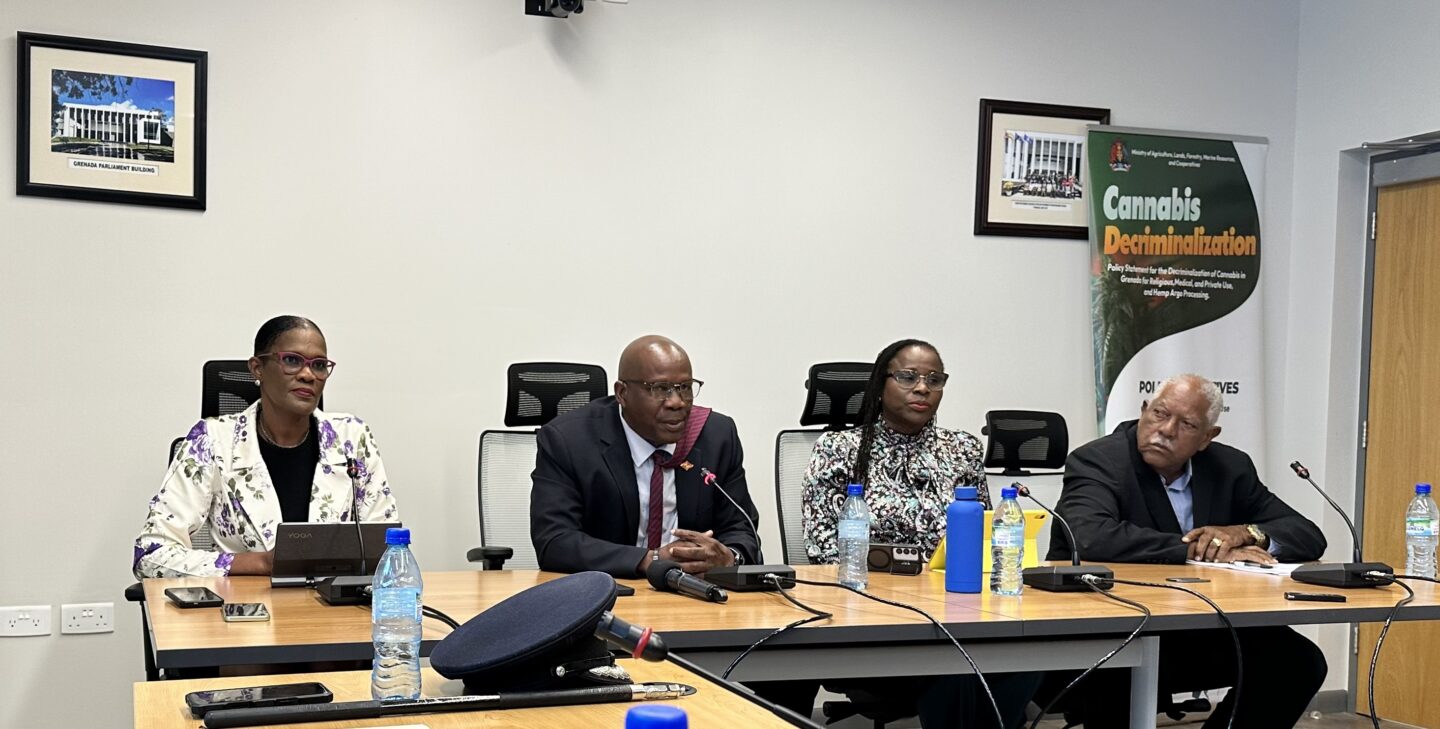
Grenada is embarking on a carefully calibrated transformation of its cannabis legislation, introducing a progressive yet controlled framework that balances religious freedom, public health, and social justice. The cornerstone of the proposed Drug Abuse (Prevention and Control) Amendment Bill, 2026, is its unique provision granting the Rastafari community unlimited cultivation rights for sacramental purposes within registered places of worship, a recognition of their religious heritage that is not extended to the general public.
Nandy Noel, CEO of the Cannabis Commission for Legalisation and Regulation Secretariat, emphasized that the intent is to safeguard, not control, the Rastafari community. “We have not set any limits for the Rastafari with regard to their cultivation and their use, which is why a comprehensive registration of all Rastafari places of worship is vital,” Noel stated, clarifying that this exemption is specifically designed to allow unimpeded practice of their sacrament.
For the wider Grenadian public, the bill outlines a decriminalization model with strict boundaries. Individuals aged 21 and older will be permitted to possess up to 56 grams of cannabis or 15 grams of cannabis resin. Quantities between 57 and 70 grams will be treated as a possession offence, while anything exceeding 71 grams will be classified as trafficking, carrying severe penalties. Public consumption remains prohibited with a fixed penalty fine of EC$300, and use for anyone under 21 is strictly forbidden.
Household cultivation is also permitted but heavily restricted, allowing registered homes to grow a maximum of four plants for medicinal, therapeutic, or horticultural purposes. Officials consistently stressed that this reform, described by Agriculture Minister Lennox Andrews as “a measured shift, not an introduction to an unrestricted market,” does not legalize recreational use.
The legislation incorporates significant social justice measures, including the expungement of criminal records for past minor cannabis offences and the immediate discontinuation of qualifying court cases. For young adults aged 18 to 20, criminal charges will be replaced with mandatory rehabilitation and counselling to avoid creating a permanent criminal record.
Attorney General Claudette Joseph highlighted the medical impetus behind the move, citing “established scientific and research-based evidence of the medicinal value that cannabis possesses.” This first phase of reform will be followed by a second phase within 3 to 6 months, focused on developing a national policy framework and a regulated medicinal cannabis industry, marking a paradigm shift in Grenada’s approach to cannabis policy.