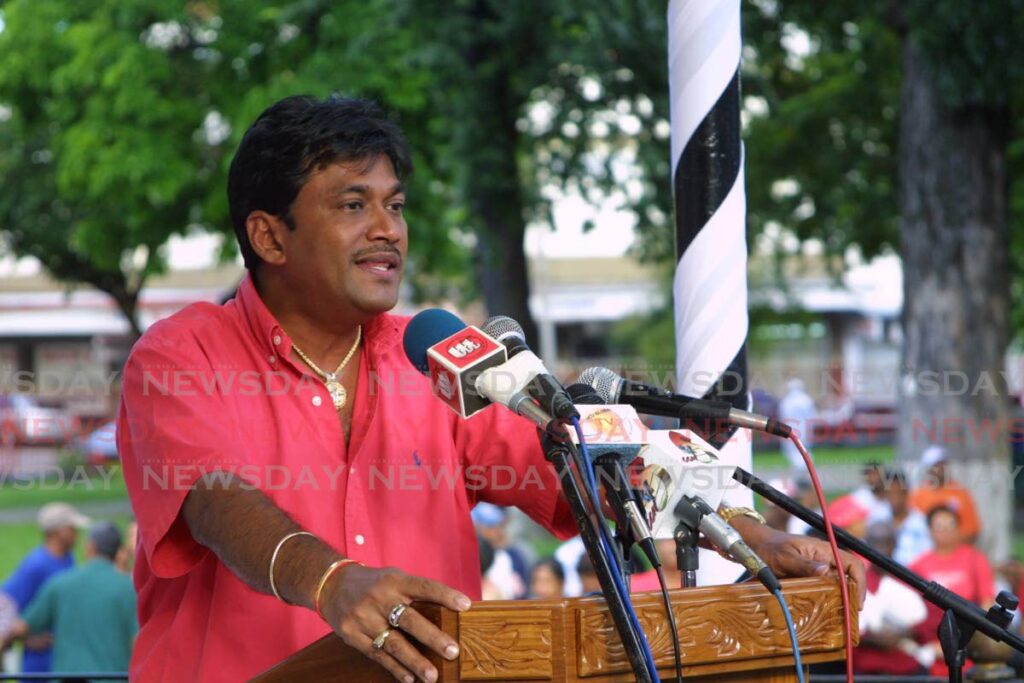
In the wake of the Commission of Enquiry (CoE) report presentation to Parliament, former Hindu Credit Union (HCU) president Harry Harnarine has publicly maintained his innocence regarding the financial institution’s 2009 collapse. The declaration came on January 17, directly responding to Attorney General John Jeremie’s parliamentary presentation of the investigative findings the previous day.
During a brief telephone interview, Harnarine asserted, “I haven’t done anything wrong,” emphasizing his full cooperation with the enquiry process by attending all hearings when summoned as a witness. Other prominent figures including former finance minister Karen Nunez-Tesheira and ex-Finance Ministry permanent secretary Vishnu Dhanpaul also testified during the proceedings.
The CoE report outlined potential civil remedies for affected depositors, particularly those who received grant relief up to $75,000 from the Trinidad and Tobago government. These individuals are required to assign their entitlements to the state under the Grant Relief Payment Scheme.
Notably, the commission identified legislative provisions enabling the Commissioner for Cooperative Development (CCD) to investigate possible misfeasance or breach of trust by HCU officers. Should such investigations proceed, the CCD could mandate compensation payments to HCU’s assets with interest.
The report highlighted critical evidentiary limitations, noting “insufficient oral and documentary evidence” despite ample opportunity for participation from all involved parties. This deficiency prompted the CoE to recommend that the Director of Public Prosecutions examine potential criminal proceedings against unnamed individuals.
Harnarine reiterated his longstanding position that HCU was not insolvent at the time of its winding up, claiming he had petitioned three separate labor ministers between 2020 and 2024 to appeal the dissolution decision. While former minister Errol McLeod couldn’t recall such appeals, Jennifer Baptiste-Primus indicated the matter fell under the CCD’s jurisdiction rather than hers.
Separately, the CoE attributed the parallel collapse of Colonial Life Insurance Company (Clico) to a fundamentally “defective business model” within the CL Financial Group, compounded by management’s failure to implement necessary changes despite external auditor recommendations. The commission exonerated the Central Bank’s conduct while criticizing late Clico and CLF chairman Lawrence Duprey, suggesting potential criminal proceedings against him had he not passed away in August 2024.
The dual collapse of these major financial institutions in 2009 triggered widespread economic disruption, ultimately traced to aggressive investments in high-risk foreign real estate assets financed through unsustainable high-interest strategies.