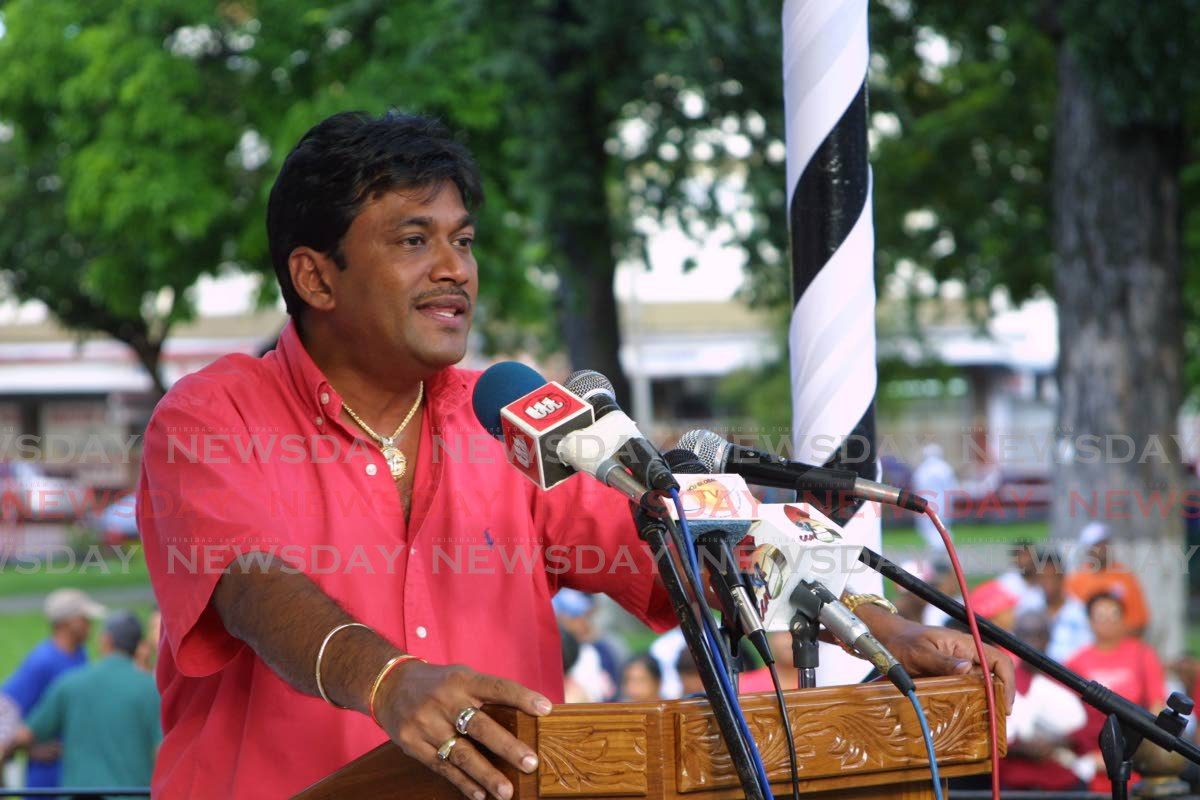
In the aftermath of Trinidad and Tobago’s financial crisis, former Hindu Credit Union (HCU) president Harry Harnarine has publicly asserted his innocence regarding the findings of the Commission of Enquiry (CoE) into the collapse of both Colonial Life Insurance Company (Clico) and HCU. Harnarine’s declaration on January 17 came directly in response to Attorney General John Jeremie’s presentation of the CoE reports before the House of Representatives.
During a telephone interview, Harnarine maintained his position stating, “I haven’t done anything wrong,” emphasizing his full cooperation with the enquiry process by attending all hearings when summoned as a witness. Other prominent figures including former finance minister Karen Nunez-Tesheira and former Finance Ministry permanent secretary Vishnu Dhanpaul also testified during the proceedings.
The CoE report outlined potential civil remedies for affected HCU depositors, noting that those receiving government relief up to $75,000 would assign their entitlements to the state. The commission identified legislative provisions enabling the Commissioner for Cooperative Development to investigate possible misfeasance or breach of trust by HCU officers.
However, the CoE acknowledged limitations in evidence gathering, stating insufficient oral and documentary evidence was available by the conclusion of hearings. This evidentiary gap prompted recommendations for the Director of Public Prosecutions to examine potential criminal proceedings against unnamed individuals who declined to participate voluntarily despite ample opportunity.
Harnarine reiterated his longstanding position that HCU was not insolvent at the time of its winding up, claiming he had petitioned three separate labour ministers between 2020 seeking appeal hearings. While former minister Errol McLeod couldn’t recall such requests, Jennifer Baptiste-Primus indicated the matter fell under the Commissioner for Cooperative Development’s jurisdiction.
The parallel investigation into Clico’s collapse attributed the failure to a fundamentally defective business model within the CL Financial Group, citing senior management’s inability to implement necessary changes despite external auditor recommendations. The commission notably cleared the Central Bank of any misconduct while criticizing late CLF chairman Lawrence Duprey’s actions, suggesting potential criminal proceedings.
Both institutions collapsed in 2009 following aggressive investments in high-risk foreign real estate assets financed through unsustainable high-interest strategies, creating one of the Caribbean’s most significant financial crises.