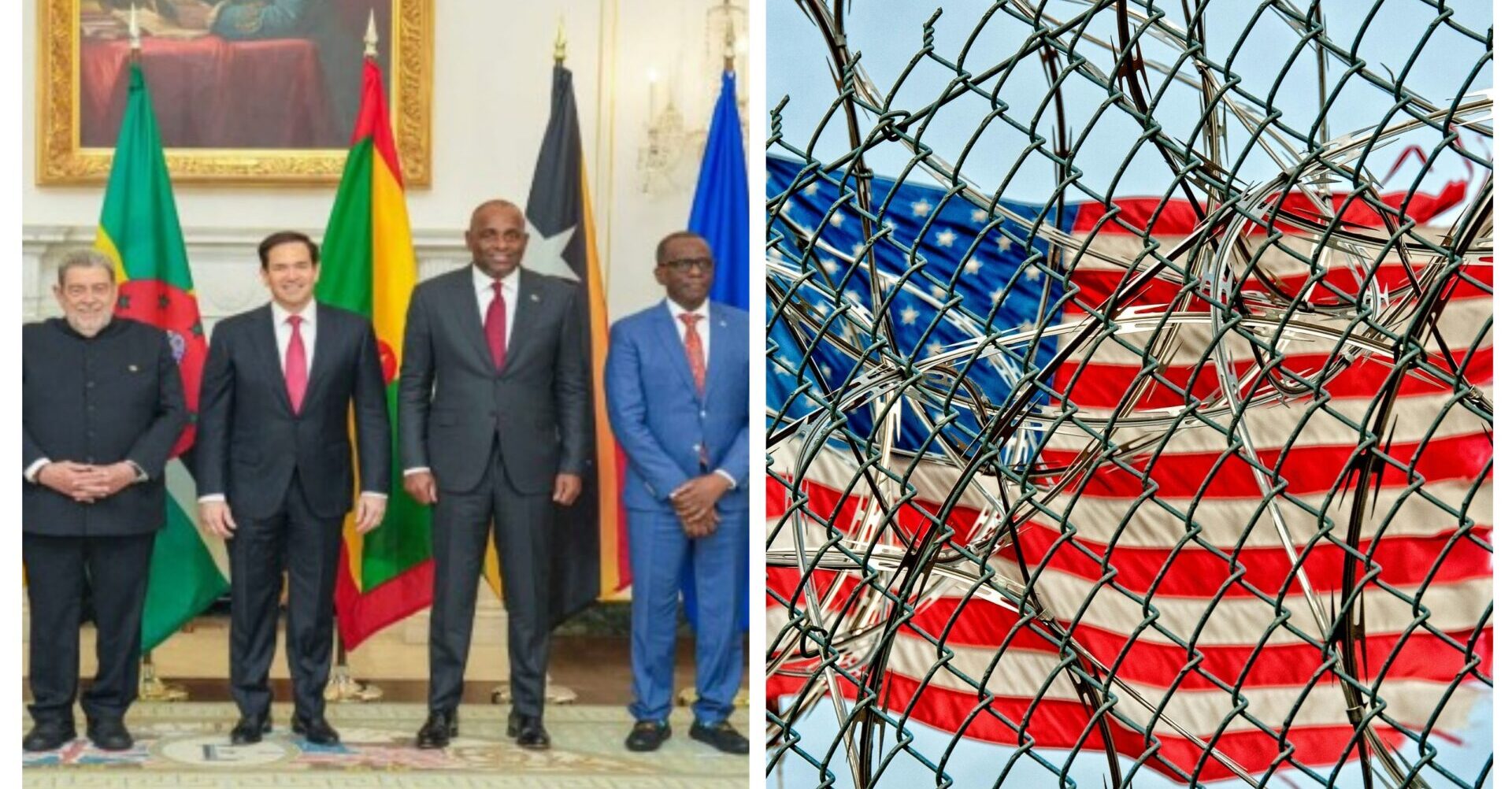
The Caribbean’s ongoing Citizenship by Investment (CBI) program crisis reveals a fundamental power imbalance in international relations that extends far beyond superficial discussions about due diligence and security compliance. At its core, this confrontation represents the region’s systemic loss of narrative control within Washington’s policy ecosystem, where Caribbean nations are being defined through standards they didn’t create and judged in forums where they lack representation.
This pattern of economic reclassification—where once-viable activities are progressively recast as risky or non-compliant—has historical precedents from banana exports to banking services. The outcome consistently demonstrates economic disqualification through regulatory means rather than market failure, with CBI representing merely the latest manifestation.
The traditional diplomatic approach—relying on ambassadors, foreign ministries, and multilateral appeals—has become inadequate in today’s policy landscape. Contemporary legitimacy frameworks are increasingly shaped outside formal diplomatic channels within Congressional offices, regulatory agencies, think tanks, and policy advocacy networks where narratives are established long before Caribbean representatives are consulted.
The region’s critical deficit lies in its absence from Washington’s idea economy. While the United States benefits from established idea engines like the Heritage Foundation, Brookings Institution, and CSIS that systematically cultivate and normalize policy concepts, the Caribbean lacks equivalent institutional presence. This idea infrastructure gap leaves the region perpetually defensive, explaining itself against narratives it didn’t author.
The convergence of heightened U.S. and EU CBI scrutiny, visa bond regimes, immigrant visa pauses, and disproportionately applied public-charge doctrines signals how Caribbean economies are being systematically ranked within the global system. Simultaneously, CARICOM faces internal strains as geopolitical pressures test regional unity.
A strategic pivot requires expanding engagement beyond traditional diplomacy into narrative formation—engaging Congressional committees alongside executive desks, addressing regulatory agencies that shape outcomes, investing in idea production rather than mere negotiation, and repositioning the Caribbean as a strategic region rather than a compliance problem.
The fundamental question isn’t whether CBI survives in its current form, but whether the Caribbean will continue allowing external actors to define legitimacy parameters for small states’ economic survival. Without claiming space in Washington’s idea economy, every sector—from finance and mobility to education and digital services—remains vulnerable to similar reclassification and exclusion cycles.
The Caribbean possesses its most valuable export not in passports or commodities but in intellectual talent—thinkers, diplomats, technocrats, and policy professionals who understand global systems and Caribbean realities. The existing diaspora represents an untapped resource that requires institutional harnessing through establishments like the Institute for Caribbean Studies in Washington, D.C.
This transformation demands a fundamental shift in how CARICOM, OECS, and individual governments engage with diaspora expertise—moving beyond transactional relationships toward trust-based, sustained collaborations. Modern sovereignty defense requires not just borders and diplomacy but ideas and the capability to shape them, presenting the region with an opportunity to build idea infrastructure worthy of its talent and adequate to contemporary challenges.