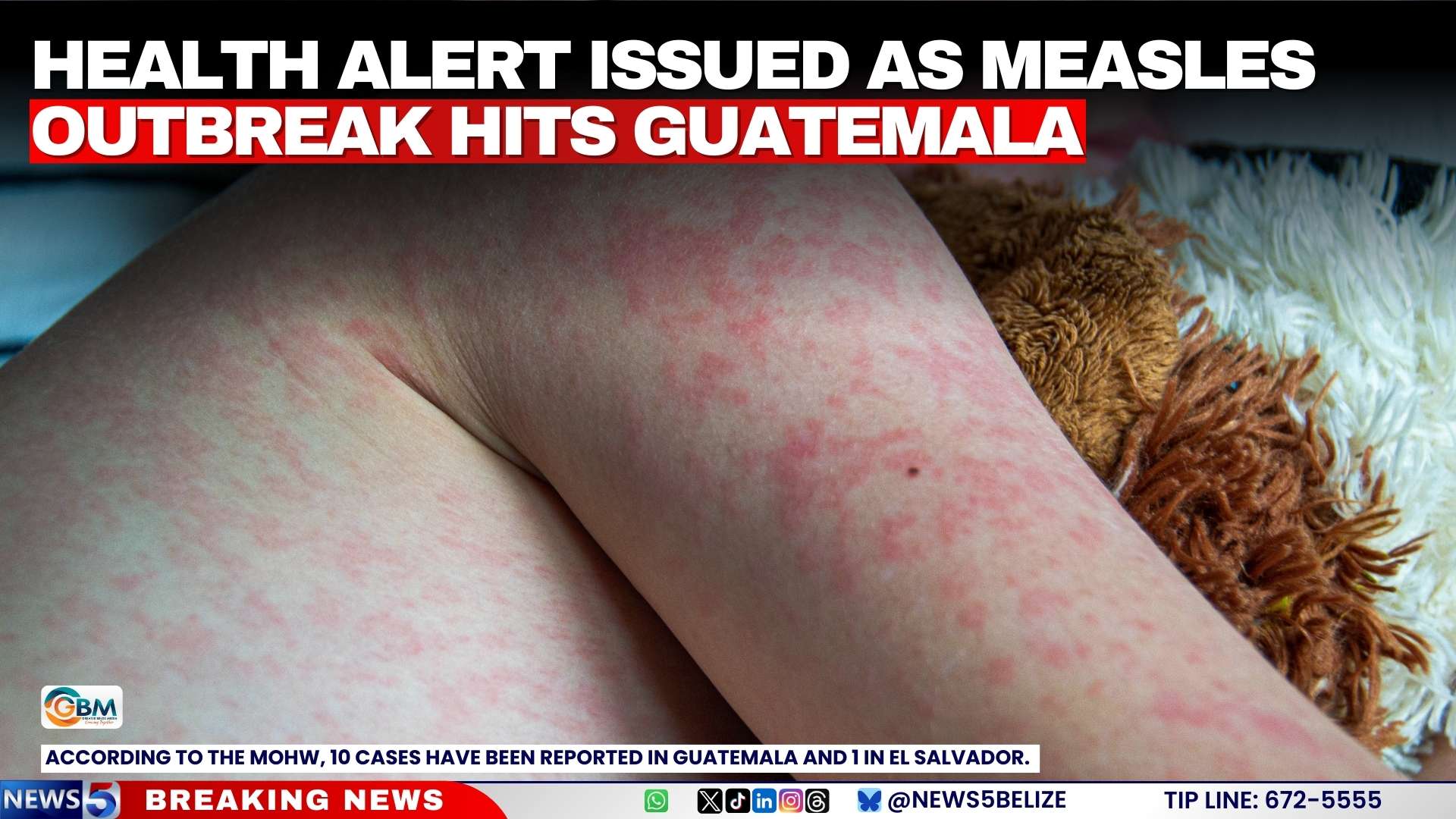
Health authorities across the Americas have escalated surveillance measures following confirmation of a dangerous measles outbreak centered in Guatemala. The Ministry of Health and Wellness (MOHW) has officially issued a public health alert after neighboring Guatemala reported 10 confirmed cases, with an additional case identified in El Salvador.
The outbreak appears concentrated in the Guatemalan town of Santiago Atitlán, with secondary clusters emerging in the Petén and Izabal regions. This development occurs alongside ongoing measles transmission in Mexico, Canada, and the United States, creating a multi-national public health challenge that significantly elevates risks for unvaccinated individuals, particularly international travelers.
Measles, classified as highly contagious by health experts, transmits through respiratory droplets from coughing and sneezing. The virus poses substantial risks of severe long-term complications. Initial symptoms typically manifest 7 to 21 days post-exposure and include high fever, nasal discharge, conjunctival inflammation (red eyes), and a distinctive rash that originates at the hairline before progressing downward across the entire body. Alarmingly, infected individuals can transmit the virus for four days before the characteristic rash appears and remain contagious for four days after its emergence.
The MOHW emphasizes that vaccination continues to represent the most effective preventive strategy against measles infection. Health officials confirm that two properly administered doses of the measles vaccine provide essentially lifelong immunity against the disease. The ministry continues to monitor the epidemiological situation closely and urges heightened vigilance among healthcare providers and the general public.