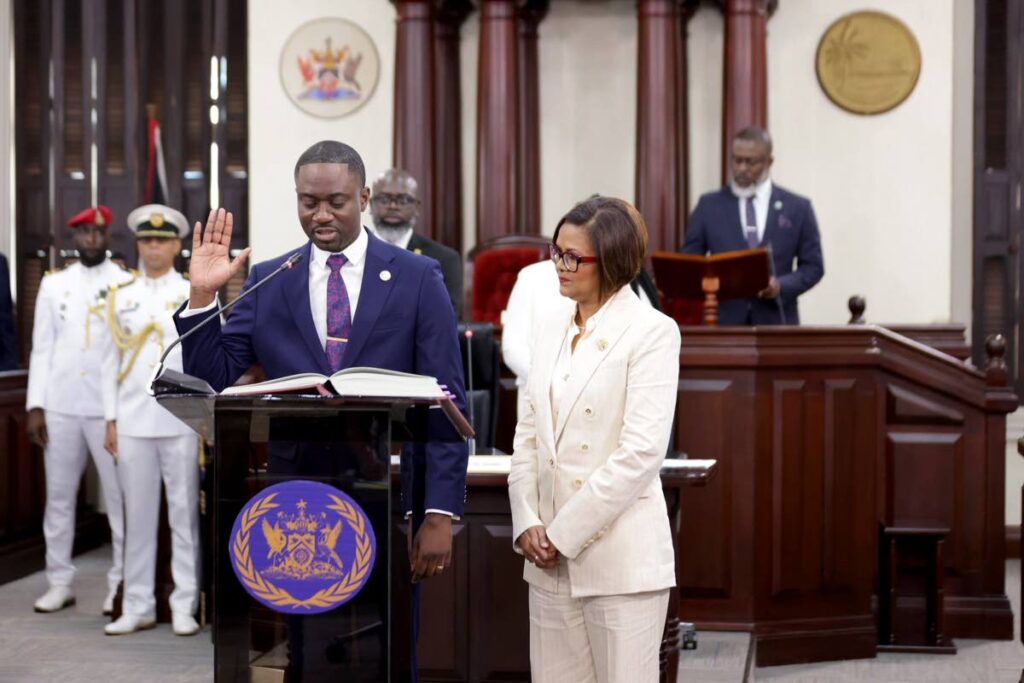
In a sweeping post-election address from the Office of the Chief Secretary, Farley Augustine has declared a transformative governance agenda for Tobago that combines immediate administrative reforms with a strategic push for legislative autonomy. The newly sworn-in leader outlined a comprehensive vision addressing systemic inefficiencies, economic diversification, and self-determination for the island territory.
Augustine announced a ‘zero-tolerance’ policy toward bureaucratic delays within the Tobago House of Assembly (THA), warning that public officers failing to execute lawful instructions would face accountability measures, even if resulting in legal challenges. This hardline approach comes alongside revelations that some tourism division employees haven’t received salaries since December, prompting an immediate investigation pledge from the Chief Secretary.
The autonomy initiative represents a landmark constitutional effort, with Augustine targeting legislative changes by end-2026 that would grant Tobago independent lawmaking authority. This would be followed by island-wide consultations to determine Tobago’s preferred governance structure, including debates about legislative chambers, power separation, and electoral systems. Augustine emphasized that these structural matters should not require Trinidad’s approval for future modifications.
Economic revitalization features prominently in the reform package. An Investment Commission will be established by February to evaluate both local and foreign investment proposals, reducing Tobago’s dependence on public-sector employment. Augustine defended foreign direct investment as essential for developing ports, parking facilities, and tourism infrastructure without risking taxpayer funds.
The administration will address longstanding worker concerns, including salary increases for contracted employees and resolution of outstanding increments and gratuities for teachers and other public workers. A monitoring website is being developed to track critical projects and identify responsible officers for delays.
Environmental and resource management also received attention, with Augustine criticizing Tobago’s slow adoption of solar energy despite abundant sunshine and reaffirming the island’s claim to authority over nearby maritime activities. The oil spill was cited as having delayed electric vehicle infrastructure projects.
Legal autonomy measures include centralizing handling of claims against the THA, asserting the Assembly’s independent capacity to sue and be sued without central government involvement.