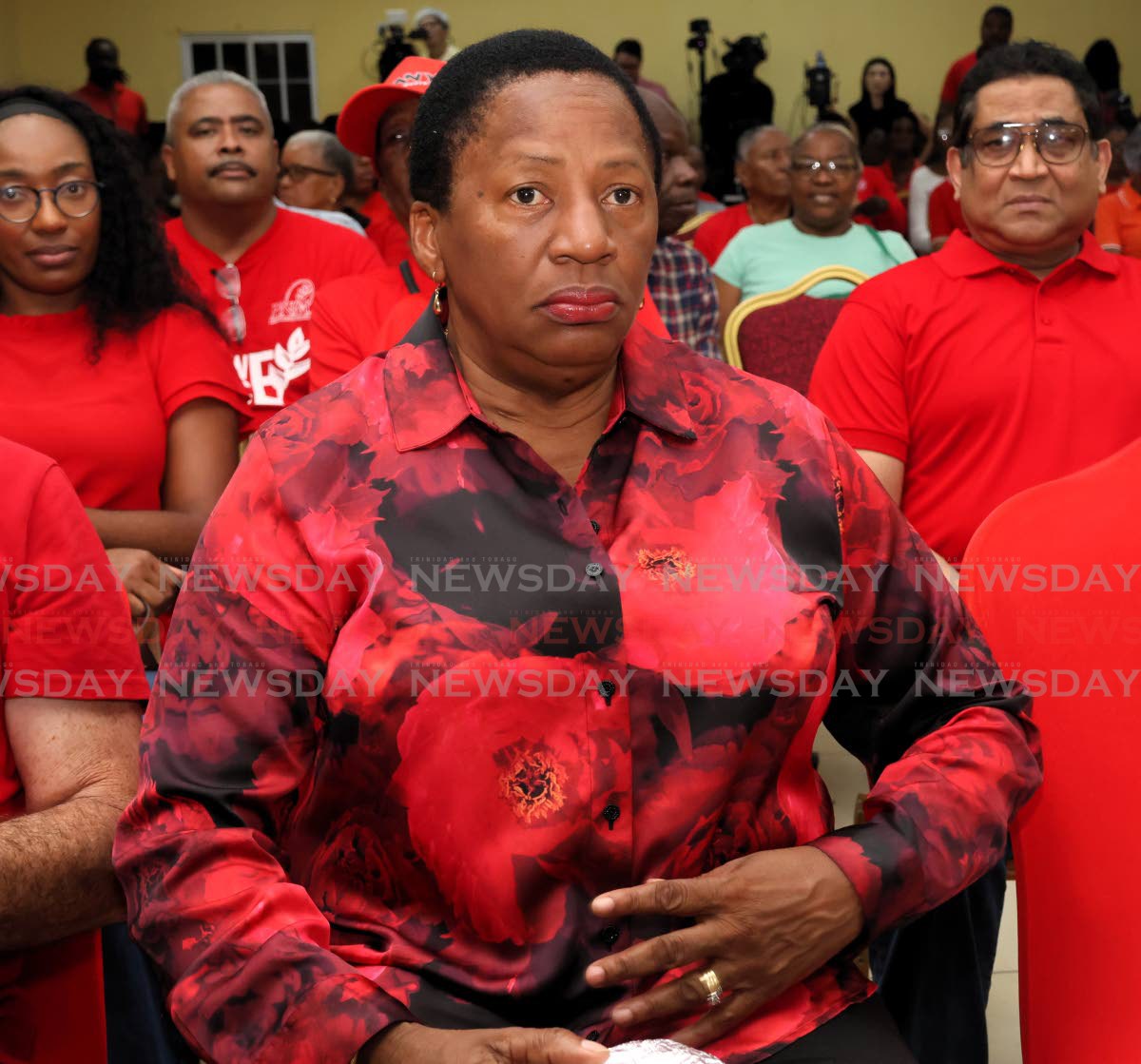
In a seismic political shift, Tobago’s electorate has delivered an unprecedented verdict against the People’s National Movement (PNM), stripping the party of all fifteen seats in the Tobago House of Assembly elections. This historic 15-0 defeat represents not merely an electoral loss but a comprehensive rejection of the party’s decade-long governance approach.
Political leader Pennelope Beckles’ post-election declaration that the PNM would “put Tobago first again” has been met with widespread skepticism. Critics point to the party’s ten uninterrupted years in national office, during which Tobago experienced persistent neglect despite numerous promises. The island suffered from undelivered timelines, substance-deficient speeches, and perpetually incomplete projects.
The PNM’s governance record reveals a pattern of systematic neglect across both Tobago and Trinidad. Economic diversification remained theoretical while infrastructure development languished, driving young Tobagonians to seek opportunities elsewhere. Concurrently, Trinidad witnessed collapsing public confidence, weakened institutions, spiraling crime rates, and increasingly reactive governance.
Political analysts view this electoral outcome as voters seeing through recycled slogans and empty rhetoric. The complete sweep demonstrates the electorate’s ability to distinguish between political posturing and tangible outcomes. Beckles’ leadership has been fundamentally undermined by her inability to secure even a single seat, inspire confidence, or defend her party’s governing record.
This political demolition serves as a stark reminder that leadership is measured by outcomes rather than post-defeat press statements. The Tobago electorate has rendered its verdict with unmistakable clarity, leaving the PNM’s future relevance in question and demonstrating that populations ultimately reject leaders lacking moral authority and proven results.