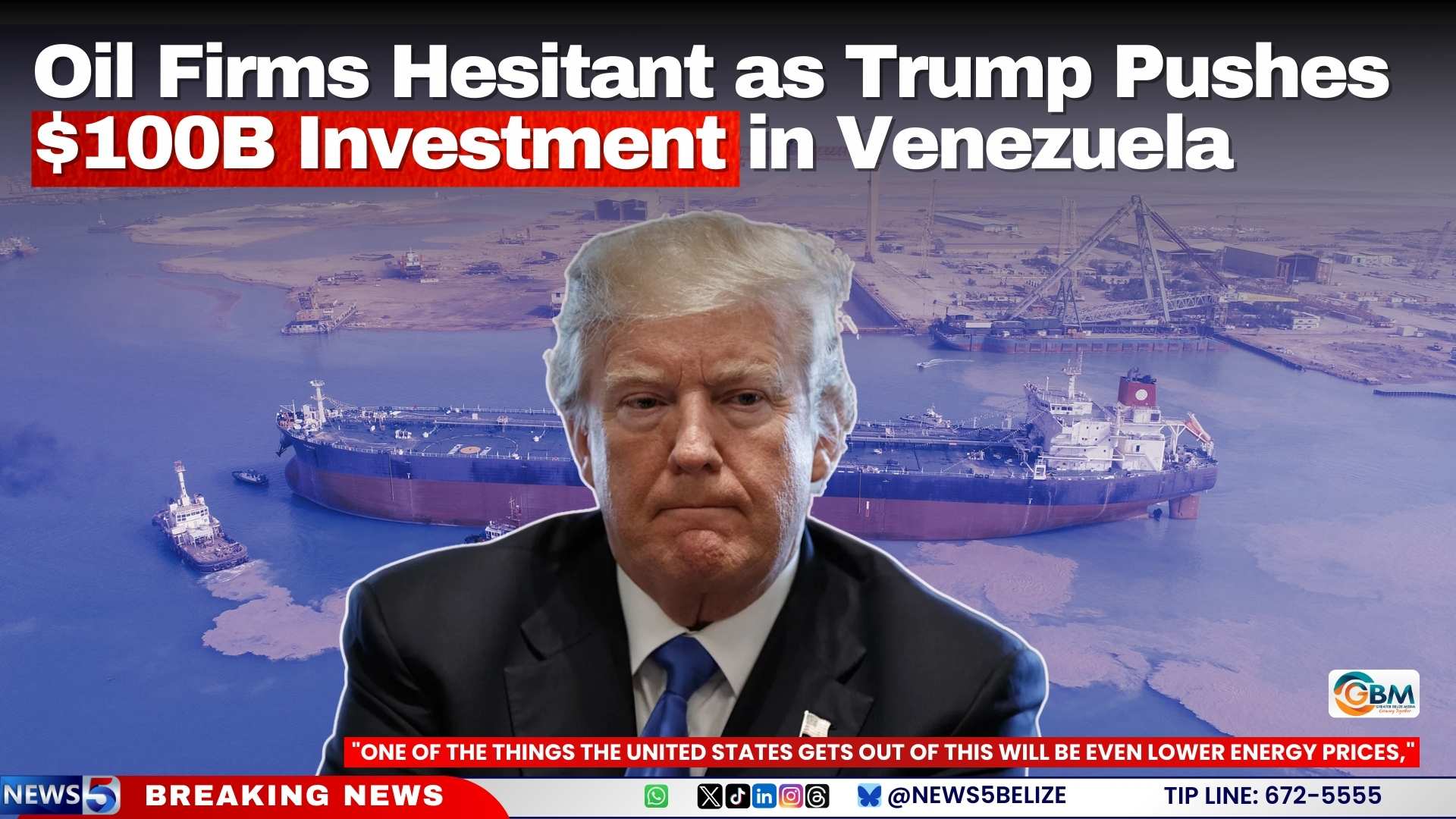
WASHINGTON — The Trump administration is facing significant industry resistance to its ambitious plan to mobilize $100 billion in private oil investments for Venezuela following the U.S. capture of President Nicolás Maduro. Despite presidential assurances of direct government backing, major energy corporations remain skeptical about the South American nation’s investment climate.
During a high-level meeting at the White House, President Trump presented his vision to energy executives, positioning Venezuela’s vast oil reserves as a strategic opportunity to boost global supply and consequently reduce energy prices worldwide. “This initiative will deliver substantially lower energy prices, representing a significant benefit for the United States,” Trump asserted, emphasizing that companies would negotiate exclusively with U.S. authorities rather than Venezuelan representatives.
The administration has already implemented a dual-track approach, selectively easing certain sanctions while simultaneously seizing Venezuelan oil tankers and directing petroleum revenues into U.S.-controlled accounts. Officials describe this strategy as essential for maintaining leverage over the interim government led by Vice President Delcy Rodríguez.
Industry response, however, has been markedly cautious. ExxonMobil CEO Darren Woods characterized Venezuela as fundamentally “uninvestable,” citing the company’s two previous experiences with asset seizure in the country. “Considering re-entry for a third time would necessitate truly transformative changes to the investment landscape,” Woods stated during the meeting.
Currently, Chevron maintains operations as the sole major U.S. petroleum company in Venezuela, alongside a limited number of international firms. The significant disparity between presidential enthusiasm and corporate caution highlights the complex challenges facing Venezuela’s energy sector revitalization amid ongoing political transition.