Gold achieved a historic milestone on Monday, breaching the $4,600 per ounce threshold for the first time in 2026. This remarkable surge continues the precious metal’s record-breaking trajectory from 2025, fueled by escalating geopolitical tensions and anticipations of looser US monetary policy.
Investment Pathways in Gold:
The spot market serves as the primary arena for major buyers and institutional investors, where prices fluctuate in real-time based on supply and demand dynamics. London dominates this sector through the London Bullion Market Association (LBMA), which establishes standards and trading frameworks for financial institutions. Significant trading activity also occurs in China, India, Middle Eastern markets, and the United States.
Futures exchanges enable investors to trade gold at predetermined prices for future delivery dates. COMEX, operating under the New York Mercantile Exchange, represents the world’s largest gold futures marketplace. Asian markets participate actively through the Shanghai Futures Exchange and Tokyo Commodity Exchange (TOCOM).
Exchange-Traded Products (ETPs) provide accessible exposure to gold prices without physical ownership. Gold-backed exchange-traded funds (ETFs) witnessed unprecedented inflows during 2025, particularly from North American investors who contributed $89 billion according to World Gold Council data.
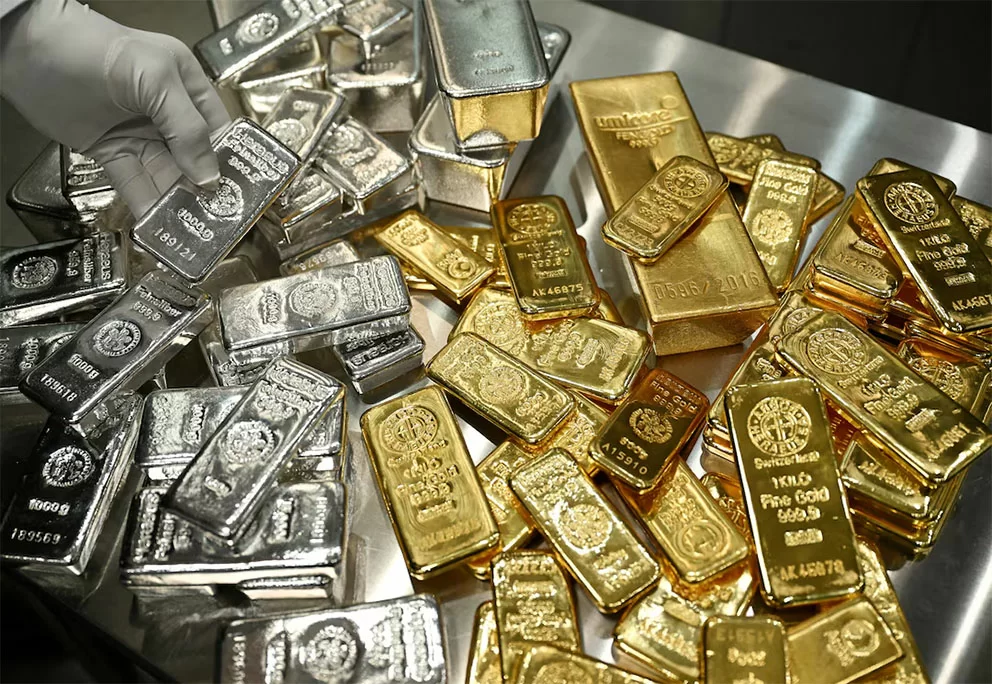
Retail investors frequently opt for physical gold bars and coins, available through both traditional dealers and online platforms.
Market Driving Forces:
Investment sentiment remains a powerful price catalyst, with fund managers responding to market trends, news developments, and global events through speculative positioning.
Currency fluctuations significantly impact gold’s attractiveness. The metal traditionally moves inversely to the US dollar, becoming more affordable to foreign currency holders when the dollar weakens.
Monetary policy decisions and political instability reinforce gold’s safe-haven status. Trade conflicts, such as those initiated through Trump-era tariffs, and geopolitical tensions involving Venezuela and Greenland have amplified market uncertainty. Interest rate environments further influence gold’s appeal, as lower rates reduce the opportunity cost of holding non-yielding assets.
Central banks have emerged as substantial market participants, accelerating gold acquisitions amid macroeconomic and political uncertainties. The World Gold Council reports continued strengthening of this trend, with November 2025 purchases reaching 45 tons, bringing the eleven-month total to 297 tons. China spearheaded these acquisitions, expanding reserves beyond 74 million troy ounces.
Gold maintains its position as a multifaceted investment vehicle, driven by complex interactions between market forces, geopolitical developments, and monetary policies. Market analysts will closely monitor its performance throughout 2026 as these dynamics continue to evolve.