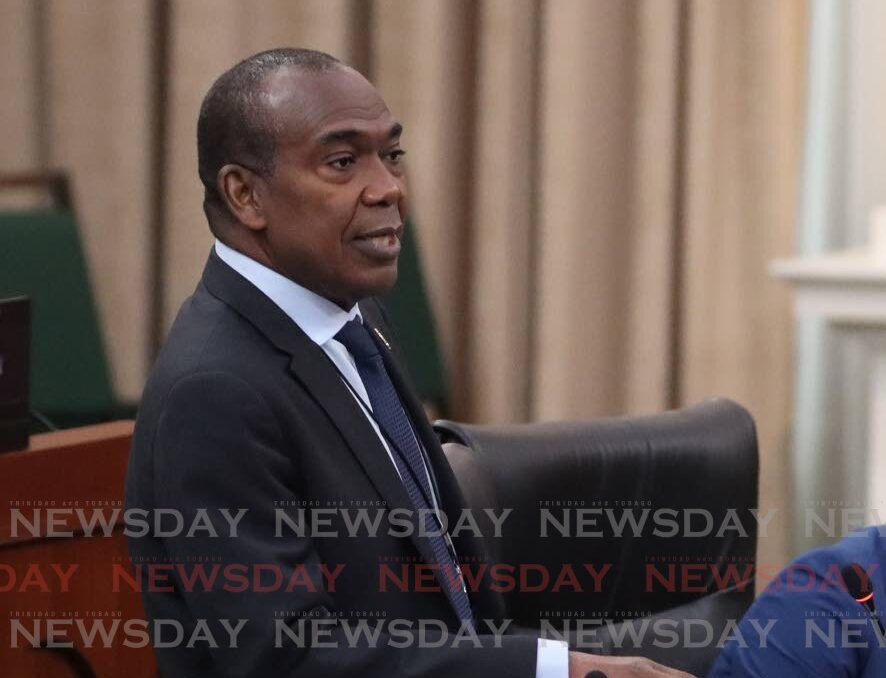
The Trinidad and Tobago government is moving forward with comprehensive legislative measures designed to combat violent crime while demonstrating responsiveness to public concerns regarding traffic enforcement. Attorney General John Jeremie outlined the administration’s priorities during a United National Congress (UNC) media briefing on January 14, detailing three significant pieces of legislation scheduled for parliamentary consideration in the coming weeks.
The centerpiece of the government’s security agenda is the Special Zones of Operations Bill, a targeted approach to addressing crime hotspots without implementing nationwide emergency powers. This legislation emerges from lessons learned during previous states of emergency, particularly the successful disruption of communication channels between incarcerated gang leaders and their external networks. Attorney General Jeremie emphasized that these previous interventions produced measurable results, citing substantial reductions in homicides, shootings, and other violent crimes. The proposed framework would establish clearly defined procedures, judicial oversight mechanisms, and time limitations to ensure proportional responses to security threats.
Concurrently, the government is proposing amendments to the Motor Vehicles and Road Traffic Act following significant public feedback regarding recently increased fines and penalties. Jeremie acknowledged the administration had ‘listened to the voices raised in the national community’ and now plans to implement a system of mandatory warnings for certain traffic infractions. This recalibration maintains the government’s commitment to road safety while incorporating what Jeremie characterized as ‘the level of humanity this government is known for.’
Additionally, lawmakers will consider adjustments to the Tobago House of Assembly Act in response to the Tobago People’s Party’s recent electoral victory. The proposed amendment would expand the number of secretaries and increase quorum requirements for conducting official Assembly business. Jeremie described this legislation as concise and anticipated bipartisan support for its passage.