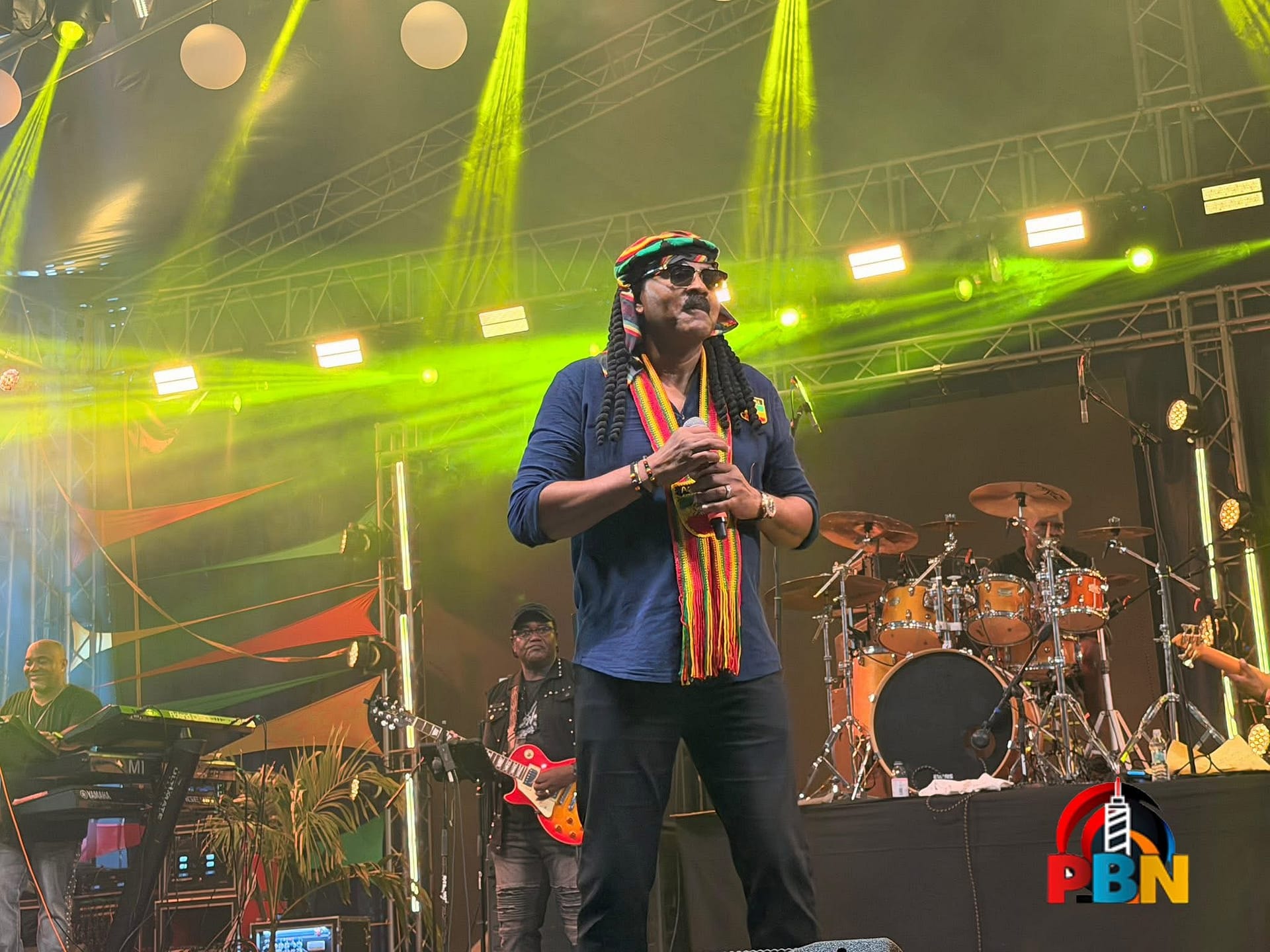
A prominent opposition parliamentarian has leveled serious allegations against the ruling administration, contending that a recent national unity concert was strategically utilized as a political instrument rather than a genuine cultural event. The legislator asserts that the government-sponsored ‘One Nation’ musical gathering, which featured prominent artists and was broadcast nationally, served primarily as a sophisticated propaganda tool designed to bolster the incumbent party’s public image ahead of upcoming electoral contests.
The controversy emerged during a parliamentary debate when the opposition member presented compelling evidence suggesting the event’s planning committee included several high-ranking political strategists with direct ties to the ruling party’s campaign apparatus. According to the allegations, substantial public funds were redirected from essential services to finance the elaborate production, which critics argue disproportionately highlighted administration achievements while minimizing substantive discussion of pressing national challenges.
Political analysts observe that this development exacerbates existing tensions between governing and opposition factions, potentially undermining public trust in non-partisan cultural institutions. The accusations have sparked intense discourse regarding the ethical boundaries between legitimate governmental public engagement and overt political campaigning using state resources. Several civil society organizations have demanded transparent investigation into the concert’s funding sources and decision-making processes, while international observers monitor the situation as a case study in political communication ethics.
The administration has vigorously denied these claims, characterizing the event as an authentic celebration of national unity and cultural heritage. However, the opposition maintains that the timing, messaging, and execution of the concert reveal a calculated effort to influence public perception through emotionally resonant entertainment, raising fundamental questions about the appropriate use of governmental authority in democratic societies.