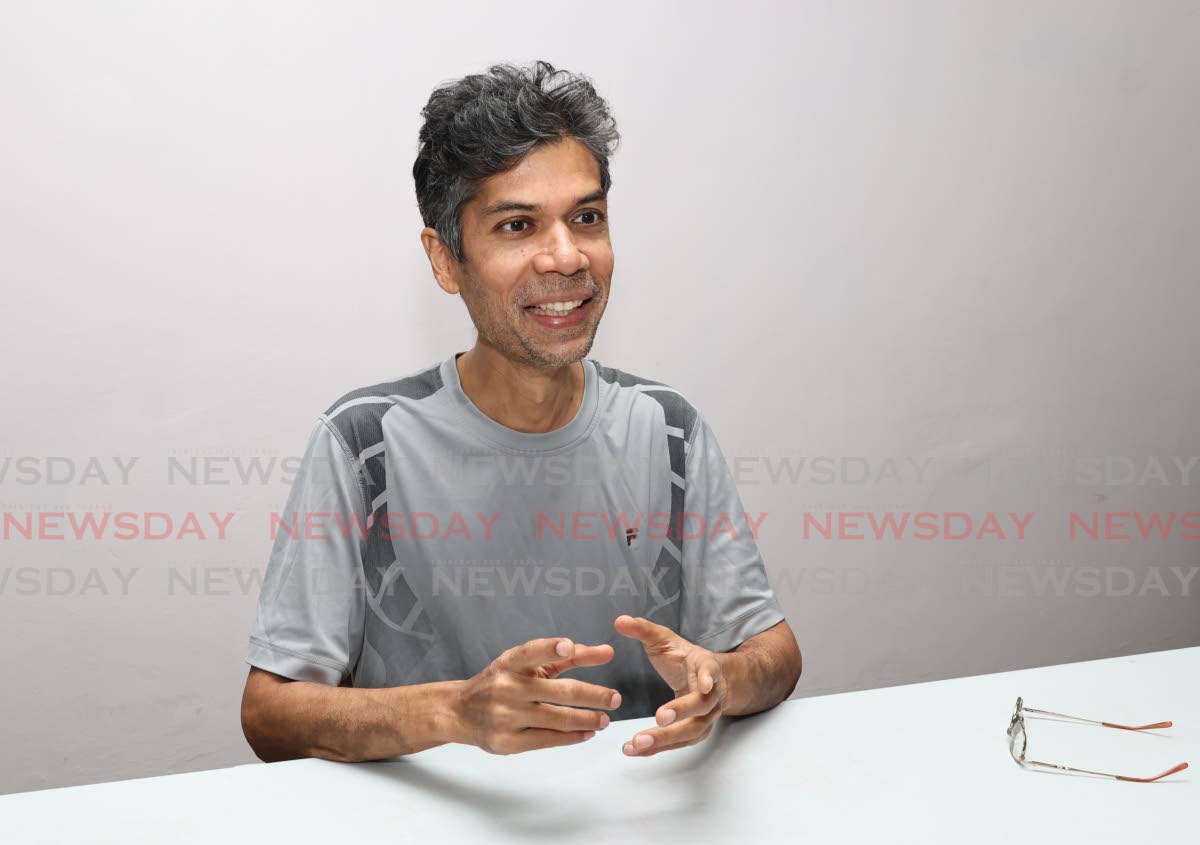
Amid escalating global geopolitical instability, prominent historian Dr. Jerome Teelucksingh has advocated for the establishment of a unified Caribbean military force. During an exclusive interview on January 6, the University of the West Indies lecturer emphasized the urgent need for regional defense collaboration, citing increasing international hostilities and the Caribbean’s strategic position in global trade networks.
Dr. Teelucksingh pointed to historical precedent through the British West Indies Regiment, established in 1915 during World War I, which successfully integrated over 15,600 soldiers from across the Caribbean under British command. He asserted that creating a contemporary regional army is neither impractical nor unprecedented, noting that the 20th century already demonstrated the viability of such collaborative military efforts.
The historian proposed utilizing existing national military structures rather than building entirely new formations, suggesting incorporation through frameworks similar to the US and Canadian military systems. He emphasized the necessity of including all Caribbean nations—English, Spanish, Dutch, and French-speaking territories—while acknowledging potential challenges regarding funding allocation and inter-island rivalries.
Critical to this vision is the development of advanced defense capabilities, including drone technology, artificial intelligence, and region-specific military research laboratories. Dr. Teelucksingh recommended educational partnerships between Defense and Education Ministries to establish military science programs at institutions like Trinidad and Tobago’s COSTATT, emphasizing the importance of regional self-reliance in defense technology development.
However, political scientist Dr. Bishnu Ragoonath expressed significant skepticism regarding the proposal’s feasibility. He cited the region’s fractured political landscape, referencing the failed West Indies Federation (1958-1962) and current challenges with CARICOM implementation, including the incomplete adoption of the Caribbean Court of Justice and Common Market agreements.
Dr. Ragoonath highlighted fundamental obstacles such as the absence of unified foreign policies—evidenced by multiple Caribbean embassies in Washington—and questioned the financial viability of a regional defense budget given existing commitments to institutions like the University of the West Indies. He suggested that immediate security concerns might necessitate continued reliance on former colonial powers rather than expecting rapid development of new regional institutions.