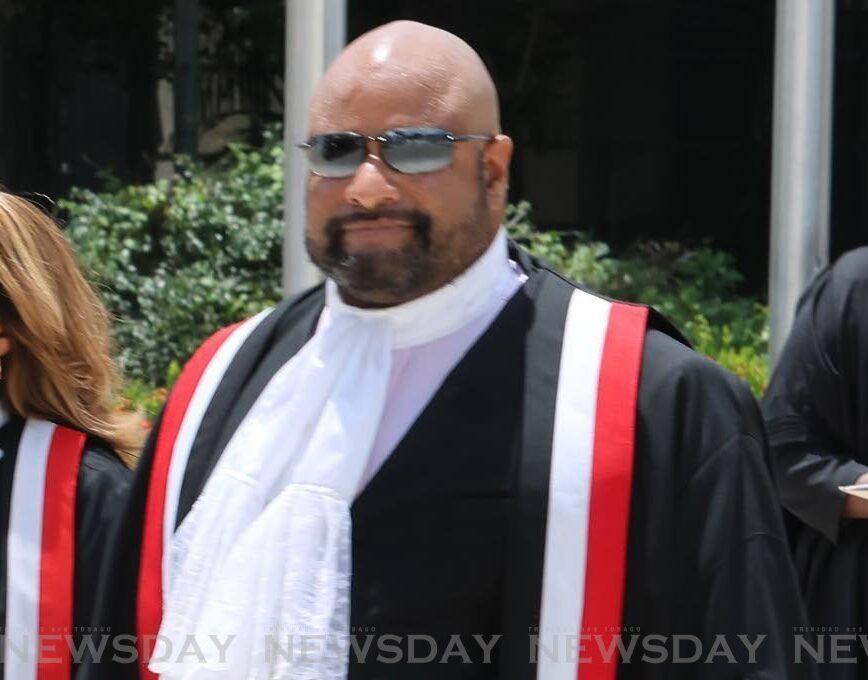
In a significant ruling with implications for corporate insolvency proceedings, Trinidad and Tobago’s High Court has definitively rejected CLICO Investment Bank Ltd’s attempt to reclaim over US$43 million from its parent company, CL Financial Ltd. Justice Kevin Ramcharan delivered the decisive judgment, affirming the joint liquidators’ earlier determination that the substantial financial claim was legally time-barred and evidentially unsupported.
The complex litigation centered on CIB’s effort to challenge liquidators Hugh Dickson and David Holukoff’s rejection of its proof of debt submission. This claim originated from eight commercial papers issued between November 2006 and December 2008, totaling US$33,067,718.95 in principal with additional interest claims of US$10,282,990.84. The Deposit Insurance Corporation, serving as CIB’s appointed liquidator since October 2011, had endorsed the application against CL Financial.
Justice Ramcharan’s thorough examination revealed critical flaws in CIB’s legal position. The court determined that the contractual claim had expired long before CL Financial entered liquidation proceedings, rendering it statute-barred under applicable limitation laws. The unsigned loan schedules presented as evidence were deemed insufficient to revive the limitation period, as they failed to demonstrate clear purpose or constitute unequivocal acknowledgment of outstanding debt.
The judiciary further dismantled CIB’s alternative legal arguments seeking to circumvent the limitation issue. Claims alleging fiduciary duty breaches, constructive trust arrangements, and unjust enrichment were systematically rejected. The court found no evidence that CL Financial exercised the necessary control over CIB to qualify as a shadow or de facto director, noting that former financial director Michael Carballo’s statements failed to establish the requisite level of oversight for such fiduciary obligations.
Regarding unjust enrichment allegations, Justice Ramcharan agreed with the liquidators’ characterization that the dispute remained fundamentally contractual in nature. The court warned against allowing creative legal reframing to bypass statutory limitation periods, emphasizing that such approaches would undermine the foundational principles of debt limitation law.
With both entities undergoing compulsory liquidation, the court ordered each party to bear its own costs, bringing finality to this protracted intra-group financial dispute that has spanned over a decade.