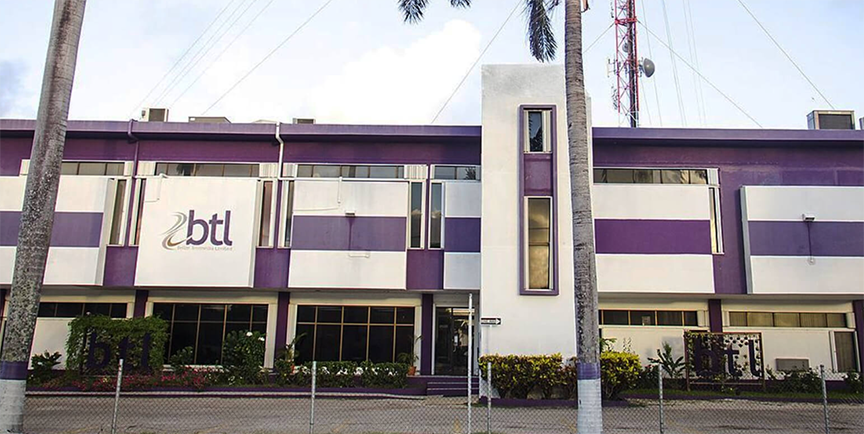
A significant corporate consolidation proposal in Belize’s telecommunications sector has sparked a vigorous debate between national business interests and global market trends. The Belize Chamber of Commerce and Industry (BCCI) has issued a formal demand to pause any potential acquisition of SpeedNet/SMART by Belize Telemedia Limited (BTL), creating a standoff with international patterns where regulators increasingly permit such mergers under strict conditions.
The BCCI’s position centers on four critical risk areas currently unaddressed by Belize’s regulatory framework. First, the Chamber highlights substantial transparency concerns stemming from the information asymmetry between publicly-traded BTL and privately-held SMART. This disclosure gap—particularly regarding beneficial ownership—prevents proper public assessment of valuation fairness and acquisition motivations for what BCCI characterizes as a ‘national-asset transaction.’
Second, BCCI pointed to perceived conflicts of interest through ownership links between SMART and politically exposed persons, including the Prime Minister’s family. This connection raises fundamental questions about whether the process would serve public policy objectives or private interests.
Third, the business lobby warned of tangible risks to public funds, noting that the Social Security Board’s significant BTL shareholding could be jeopardized without independent valuation and oversight. Any deterioration in BTL’s investment decisions could directly impact the social security fund’s integrity and benefit obligations.
Fourth, BCCI emphasized probable consumer and business impacts from reduced competition in Belize’s small market, predicting monopolistic behavior, higher prices, lower service quality, and diminished innovation without robust safeguards.
The Chamber’s demands include establishing modern competition legislation, verified beneficial ownership disclosure, credible third-party valuation, transparent public consultation, and explicit protections for public pension funds before any merger consideration.
This cautious approach contrasts with global trends identified in Deloitte’s November 2024 report, which anticipates increased regulatory approval for telecom mergers where markets are fragmented. Deloitte notes evolving regulatory thinking that increasingly weighs network resilience, security, and investment capacity against pure competition metrics, provided enforceable conditions preserve competitive outcomes.
The emerging policy question for Belize centers not on whether consolidation is inherently good or bad, but whether the nation possesses the institutional capacity—through competition law, merger review standards, transparency norms, and enforcement mechanisms—to properly balance efficiency claims against market power risks.