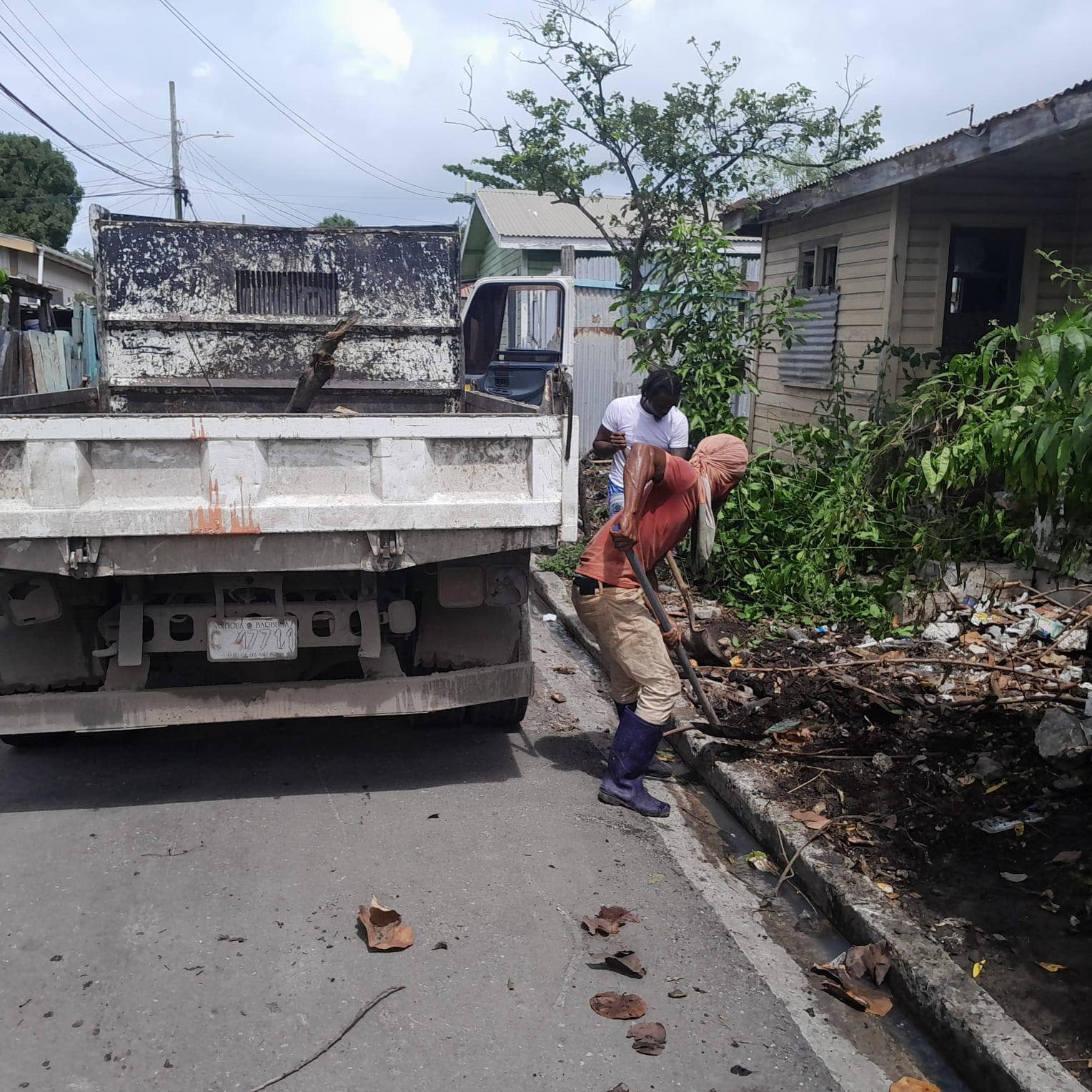
A sweeping national public health campaign is currently in progress across Antigua and Barbuda, orchestrated by the Central Board of Health (CBH) to confront severe environmental health threats. This multi-agency operation unites the National Solid Waste Management Authority, the Royal Police Force, the Antigua and Barbuda Defence Force, and the Public Works Department in a targeted assault on communities plagued by severe illegal dumping, derelict vehicles, overgrown vegetation, and obstructed drainage systems.
Julienne Mannix-Galloway, Principal Public Health Inspector at the CBH, emphasized that the initiative is a direct response to mounting risks of rodent and mosquito-borne diseases, including leptospirosis and dengue fever. She clarified the CBH’s regulatory mandate, which encompasses food safety, vector control, and environmental inspections, underscoring its pivotal role in mitigating conditions that facilitate pest proliferation and disease transmission.
A critical tactical element of the campaign involves the strategic baiting of abandoned vehicles and structures prior to their removal. Mannix-Galloway explained this precaution is essential to prevent the mass migration of displaced rodents into adjacent residential areas, thereby exacerbating infestation problems. The comprehensive cleanup protocol further includes the eradication of bulk waste, clearing of vacant lots, trimming of dense vegetation, demolition of dilapidated buildings, and the flushing and deodorization of public drains. Due to constraints in staffing and equipment, operations are proceeding sequentially with an anticipated completion deadline by year’s end.
Officials identified improper waste disposal by residents as a primary contributor to the crisis. Common practices such as leaving food waste exposed, overfeeding pets, and channeling kitchen refuse directly into open drains were cited as creating ideal breeding grounds for pests. In parallel, the CBH is intensifying scrutiny of food establishments, mandating the installation and maintenance of grease traps, and possessing the authority to shutter operations that present immediate public health dangers.
The initiative also dovetails with national disaster preparedness objectives ahead of the annual hurricane season. By clearing drains and lots, the effort mitigates potential flooding risks and associated health hazards, a coordination effort that involves the National Office of Disaster Services in pinpointing vulnerable zones. At a strategic level, the CBH is advocating for more rigorous enforcement of the Litter Act, contending that perpetual cleanups are financially burdensome and unsustainable without a fundamental shift in public behavior and greater accountability. Mannix-Galloway concluded with an appeal for civic pride, urging citizens to maintain cleaned properties and adopt safer waste management practices.