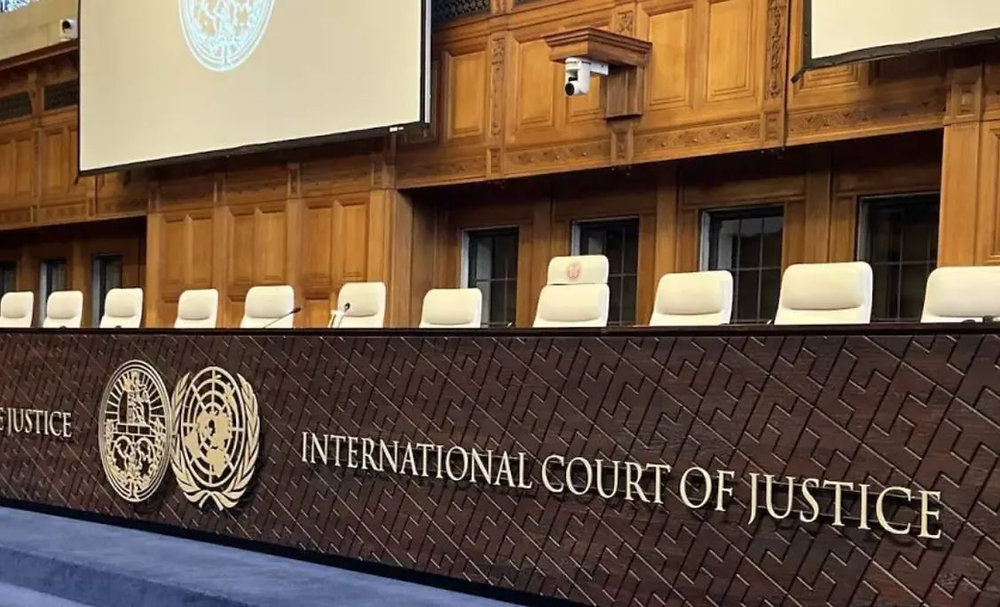
As Belize approaches the pivotal 2026 International Court of Justice ruling on its longstanding territorial dispute with Guatemala, the nation finds itself at the intersection of historical sovereignty claims and evolving global power dynamics. The impending verdict represents a critical juncture for Belizean national identity, with potential outcomes ranging from definitive resolution to heightened regional tensions.
The historical context of this dispute traces back to 19th century colonial agreements and subsequent interpretations. Guatemala has persistently asserted claims over Belizean territory based on treaties with Britain, while Belize has maintained its sovereignty through international law principles and self-determination rights. The mutual agreement to seek ICJ arbitration, ratified through national referenda, demonstrates both nations’ commitment to peaceful resolution despite decades of unsuccessful negotiations.
Contemporary geopolitical considerations introduce additional complexity through the modern reinterpretation of the Monroe Doctrine under recent US administrations. Originally articulated in 1823 to deter European colonization in the Americas, this doctrine has experienced significant evolution. The Trump administration’s ‘America First’ approach reinvigorated its principles through explicit linkages to current foreign policy objectives, particularly regarding countering Chinese and Russian influence in the Western Hemisphere.
This reformulated doctrine carries profound implications for small nations like Belize. While the United States has historically supported Belize’s sovereignty since its 1981 independence—consistently recognizing its borders and opposing Guatemalan claims—the transactional nature of contemporary US foreign policy introduces uncertainty. The strategic partnership developing between Guatemala and the US regarding immigration control and security cooperation potentially alters traditional diplomatic alignments.
Belize’s unique position as one of few Western Hemisphere nations maintaining diplomatic relations with Taiwan rather than China further complicates its geopolitical positioning. This stance has traditionally aligned with US interests in limiting Chinese regional influence but becomes potentially negotiable within a transactional foreign policy framework.
The convergence of these factors—the impending ICJ decision, reinterpreted Monroe Doctrine principles, and changing regional alliances—creates a multidimensional challenge for Belizean diplomacy. This situation demands sophisticated navigation of international relations while preserving national sovereignty interests.
Strategic recommendations for Belize include maintaining diplomatic vigilance through strengthened alliances with CARICOM and United Nations partners, pursuing strategic independence through economic diversification and institutional strengthening, fostering domestic unity regarding territorial integrity, and fully engaging with the ICJ process while preparing for all possible outcomes.
The broader lesson for small nations emphasizes that sovereignty requires continuous active defense rather than reliance on external guarantees. While historical partnerships remain valuable, ultimate responsibility for national destiny rests with domestic institutions and united citizenry.