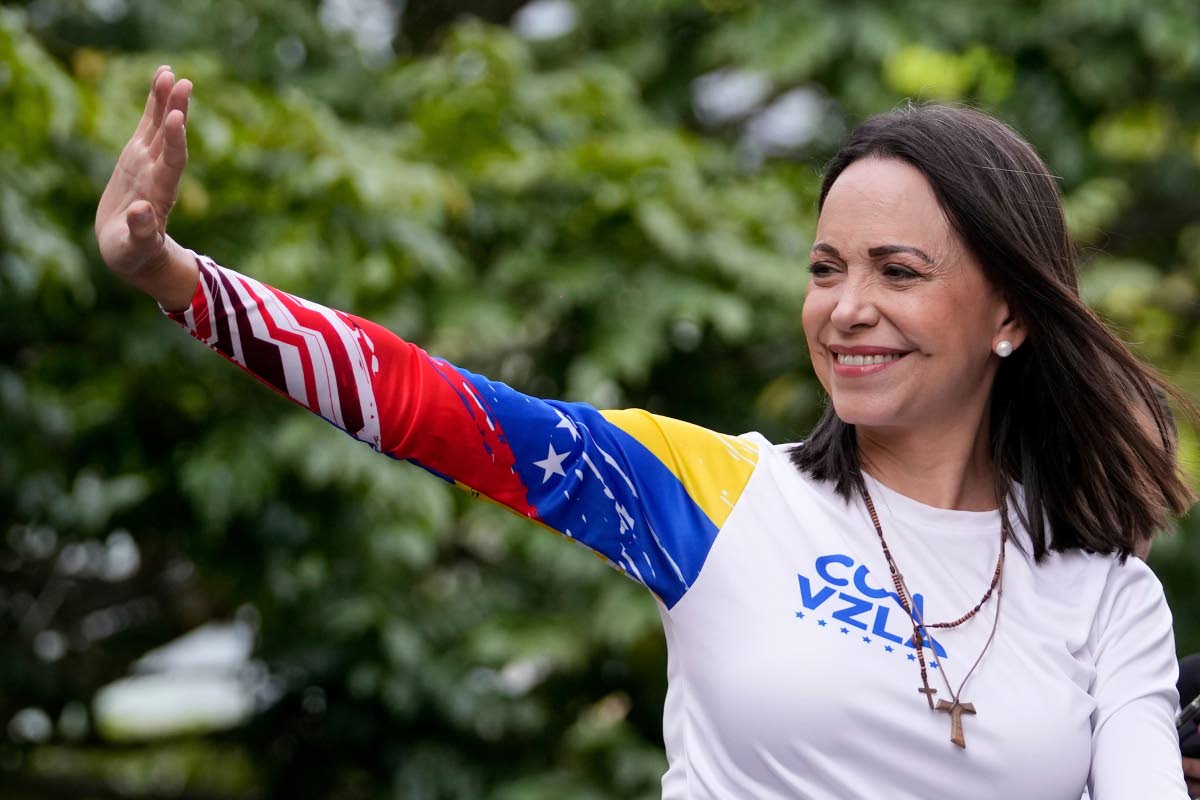
The recent political maneuvering involving Venezuelan opposition leader María Corina Machado and former US President Donald Trump offers critical insights for smaller nations navigating complex international relations. Machado’s symbolic offer to share her Nobel Peace Prize with Trump—reportedly made after he expressed displeasure at not receiving the award himself—appears more as an act of political desperation than genuine diplomacy. This gesture has failed to yield the anticipated support, with Trump refusing to endorse Machado or any established opposition figures in Venezuela. Instead, he has indicated intentions to directly oversee Venezuela’s political transition through allies including Pete Hegseth and Marco Rubio. This development reveals a concerning pattern where local political actors are utilized as convenient instruments until they no longer serve external strategic interests. Machado, once considered Washington’s preferred candidate for a post-Maduro Venezuela due to her international acceptability and alignment with foreign policy objectives, now appears sidelined despite Maduro’s imprisonment. This scenario exemplifies imperial behavior where allies are elevated when useful and discarded once objectives are achieved. For Trinidad and Tobago and similar small states, this situation underscores the importance of maintaining strategic distance and principled neutrality rather than placing trust in administrations that prioritize transactional dominance over mutual respect. National sovereignty is best preserved through independent foreign policy that avoids entanglement in geopolitical theaters where smaller nations risk becoming supporting actors or collateral damage.