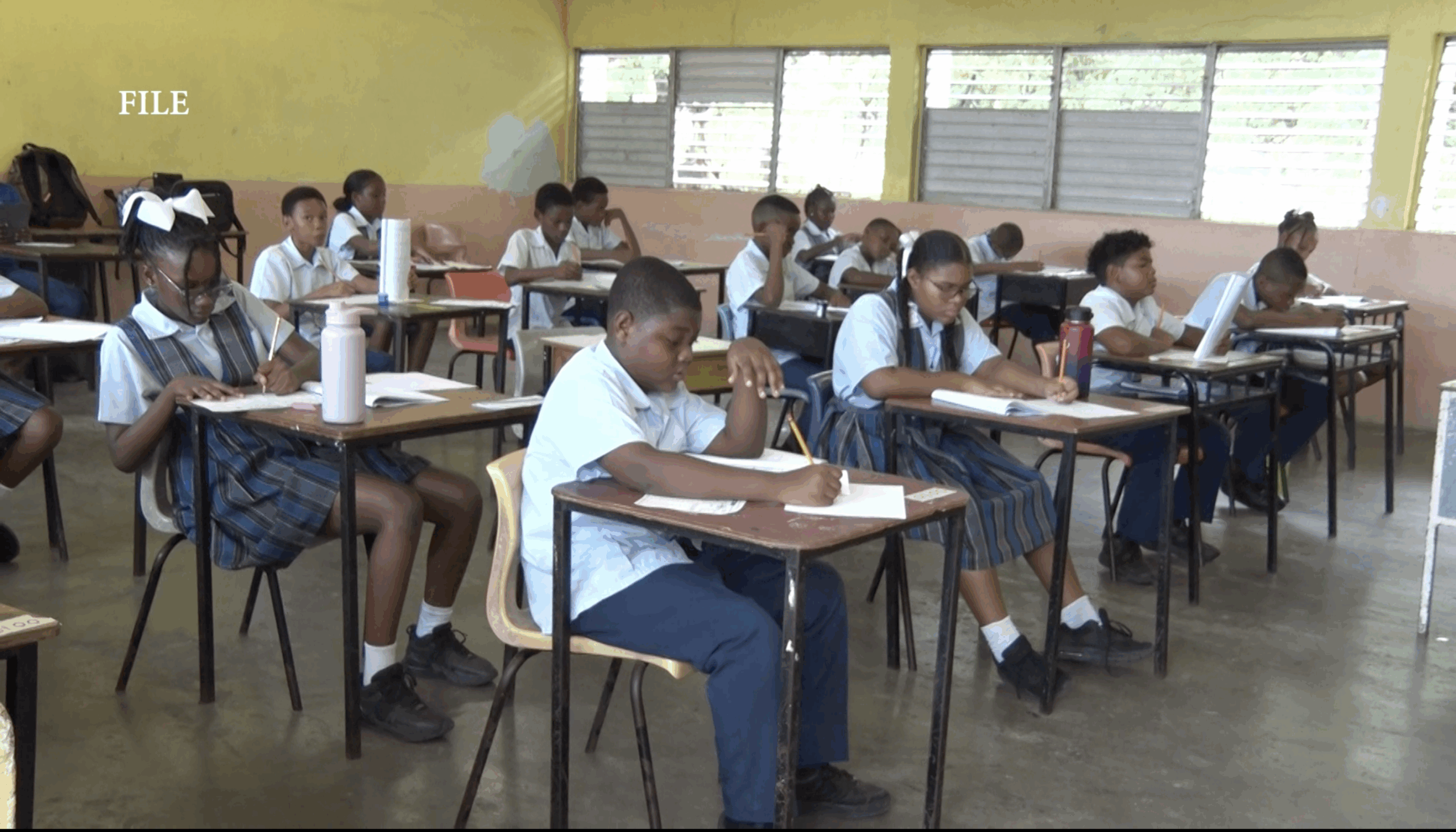
Saint Lucia has embarked on a transformative journey in educational assessment as the January sitting of the Caribbean Secondary Education Certificate (CSEC) examinations introduced a groundbreaking digital approach starting Monday, January 5th. This significant departure from traditional examination methods marks a pivotal moment in the Caribbean Examinations Council’s (CXC) digital evolution.
The new examination framework implements a sophisticated hybrid model where all Paper One assignments are conducted exclusively online, while Papers Two and Three utilize a blended format combining digital question delivery with handwritten responses. This innovative structure represents the Ministry of Education’s strategic embrace of technological advancement in academic evaluation.
Patterson Abraham, Acting Registrar of Examinations in the Ministry of Education, elaborated on the new process: “Candidates will receive their question papers digitally on laptops or approved devices, while simultaneously being provided with physical question-and-answer booklets for handwritten responses. This integrated approach maintains the integrity of written expression while leveraging digital efficiency.”
The transition to digital assessment has presented logistical challenges, particularly regarding device availability at examination centers. Abraham acknowledged the disparity between registered candidate numbers and functional devices, necessitating a session-based examination schedule for high-demand subjects including English A and Mathematics.
“With 135 students registered for English A at Castries Private and 45 in Vieux Fort, and Mathematics attracting 165 registrations at Castries Private alone, we’ve implemented a session system due to the limited availability of approximately 75 functional laptops per center,” Abraham explained. “This requires strategic grouping of candidates across multiple examination sessions.”
The new session-based approach means candidates will write examinations at staggered times, requiring some students to wait before their scheduled sessions. Abraham advised practical preparation for these intervals: “Students should come equipped with lunch and study materials to ensure their waiting time is spent constructively through revision or quiet study.”
This digital transformation represents both the opportunities and challenges of integrating technology into traditional examination systems, setting a precedent for future educational assessment methodologies across the Caribbean region.