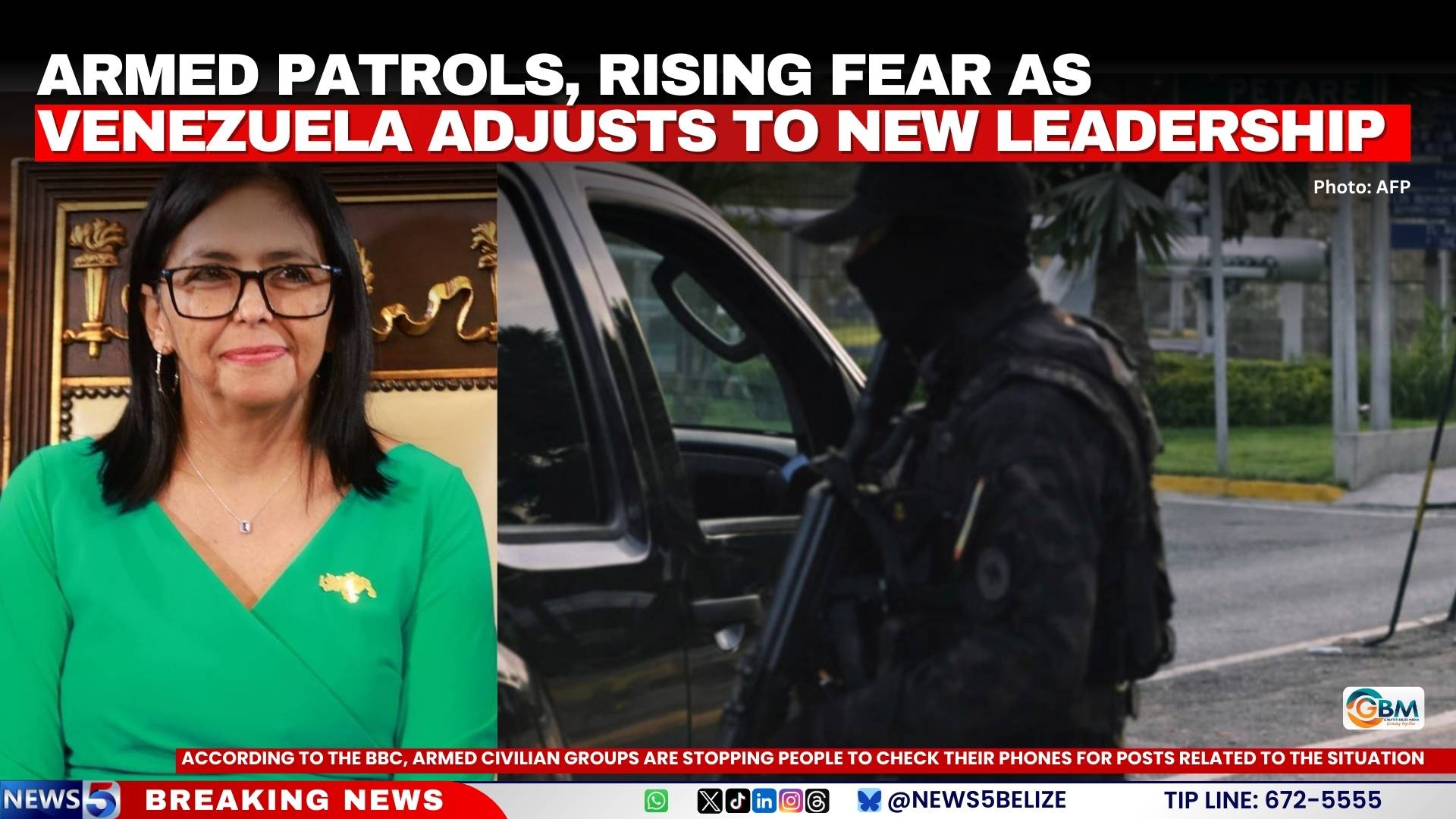
Caracas has transformed into a landscape of heightened military vigilance following the extraordinary removal of President Nicolás Maduro by U.S. forces. The capital now witnesses a conspicuous deployment of armed security personnel patrolling public areas, establishing checkpoints, and maintaining a visible presence that has significantly altered the city’s atmosphere.
In a pivotal political transition, Delcy Rodríguez was formally inaugurated as Venezuela’s interim president on Monday. Addressing the nation, Rodríguez expressed profound distress, characterizing the detention of Maduro and First Lady Cilia Flores in United States custody as an outright ‘kidnapping.’ Her appointment marks a dramatic shift in the country’s leadership dynamics.
Notably, Rodríguez—who previously served as Maduro’s vice president and staunch governmental ally—has undergone a significant rhetorical transformation. Despite her previous vehement condemnations of American interventions, she now advocates for diplomatic cooperation with the United States. This recalibration suggests a strategic pivot toward collaborative engagement with the former adversary.
The emerging partnership framework anticipates Rodríguez collaborating with U.S. representatives to rehabilitate Venezuela’s crippled oil industry. Former President Trump articulated that the primary objectives include restoring damaged petroleum infrastructure and expanding international oil exports to bolster the nation’s economic foundation.
Meanwhile, daily life for Caracas residents has grown increasingly tense under the intensified security measures. Masked armed individuals are conducting neighborhood patrols, while military checkpoints scrutinize civilian movement. Disturbingly, armed civilian factions are reportedly intercepting citizens to examine mobile devices for situation-related content, with several detainments occurring over shared social media posts.
The government has simultaneously implemented stringent media controls, prohibiting foreign journalists from entering the country. Multiple reports confirm that local journalists faced temporary detentions earlier this week, underscoring the administration’s tightened grip on information flow during this volatile transitional period.