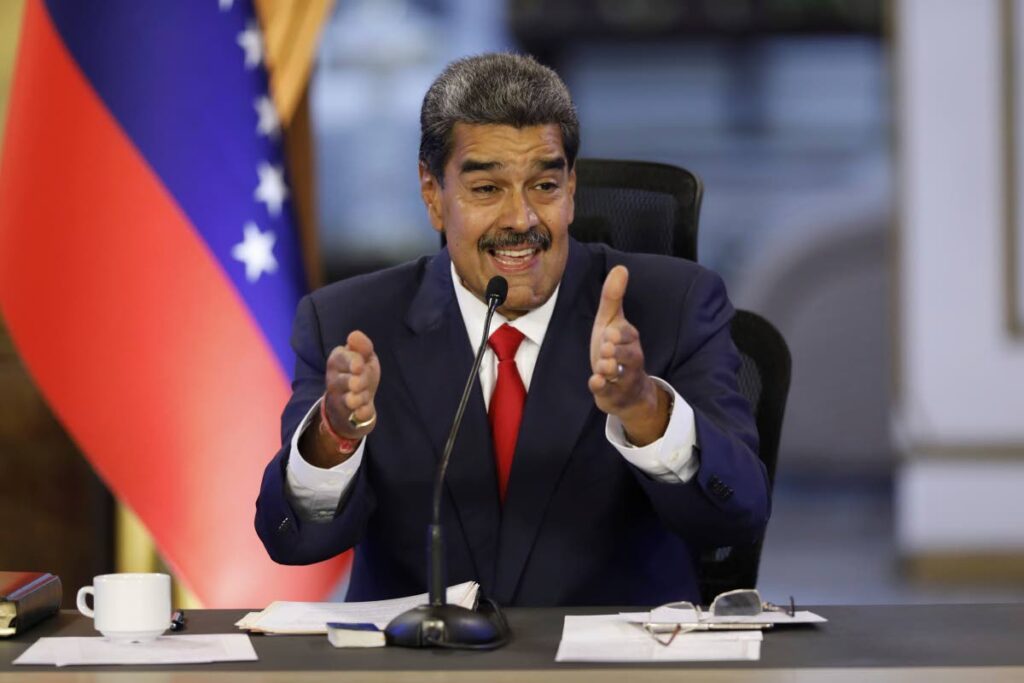
The dramatic extraction of former Venezuelan President Nicolas Maduro by US special forces on January 3 has sent shockwaves through Trinidad and Tobago’s energy sector, creating unprecedented uncertainty about the future of critical cross-border gas projects. The early morning operation that resulted in Maduro and his wife Cilia Flores facing criminal charges in New York has fundamentally altered the geopolitical landscape for TT’s energy security.
According to former energy minister Kevin Ramnarine, the political transformation in Venezuela has cast doubt on the fate of the Dragon and Coucina-Manakin gas projects, both vital components of TT’s energy infrastructure. “The uncertainty surrounding these projects is greater than it has ever been,” Ramnarine stated, highlighting that Venezuela possesses approximately 200 trillion cubic feet of natural gas, much located near TT’s maritime boundaries.
The situation intensified when US President Trump announced on January 6 that interim Venezuelan authorities led by Delcy Rodríguez—Maduro’s former deputy—would release up to 50 million barrels of sanctioned oil worth approximately $2 billion. Trump declared the proceeds would be controlled by his administration “to benefit the people of Venezuela and the United States.”
The geopolitical turmoil compounds existing challenges for TT’s energy sector. Venezuela owns over 70% of energy assets in the Loran-Manatee fields and complete control of Dragon gas resources. The previous Venezuelan government’s termination of all energy arrangements with TT in December had already increased pressure on the local market, which suffers from protracted natural gas shortages causing de-industrialization and job losses.
Energy Chamber CEO Dr. Thackwray “Dax” Driver identified six critical issues for industry sustainability, noting that Venezuelan gas imports represent just one component. Other priorities include streamlining approval processes, fiscal reform, carbon reduction investments, decreasing gas use in electricity generation, and developing small marginal gas fields.
Meanwhile, positive domestic developments emerged as Touchstone Exploration reported promising drilling results from the Carapal Ridge-3 well, marking the first drilling in the area in 17 years. The discovery of over 1,000 feet of net sand containing oil and natural gas-bearing Herrera sand has been welcomed by Energy Minister Dr. Roodal Moonilal and Minister Ernesto Kesar as supporting government efforts to bring additional natural gas to market.
As stakeholders monitor Venezuela’s evolving political situation, the energy sector remains hopeful that new opportunities might emerge for cross-border collaboration, potentially positioning Trinidad as an energy services hub for future Venezuelan offshore developments.