The controversial extraction of Venezuelan leader Nicolás Maduro by United States authorities has ignited intense debate regarding the preservation of international legal standards. While potentially justifiable under specific American statutes, this operation represents a severe breach of established international protocols governing cross-border conduct.
Despite criminal proceedings initiated against Maduro in New York federal court on January 5th regarding drug trafficking allegations, the circumstances of his apprehension remain legally questionable. The unsealing of indictments, assignment of legal counsel, and entry of pleas cannot rectify the fundamental irregularities surrounding his transfer to American jurisdiction.
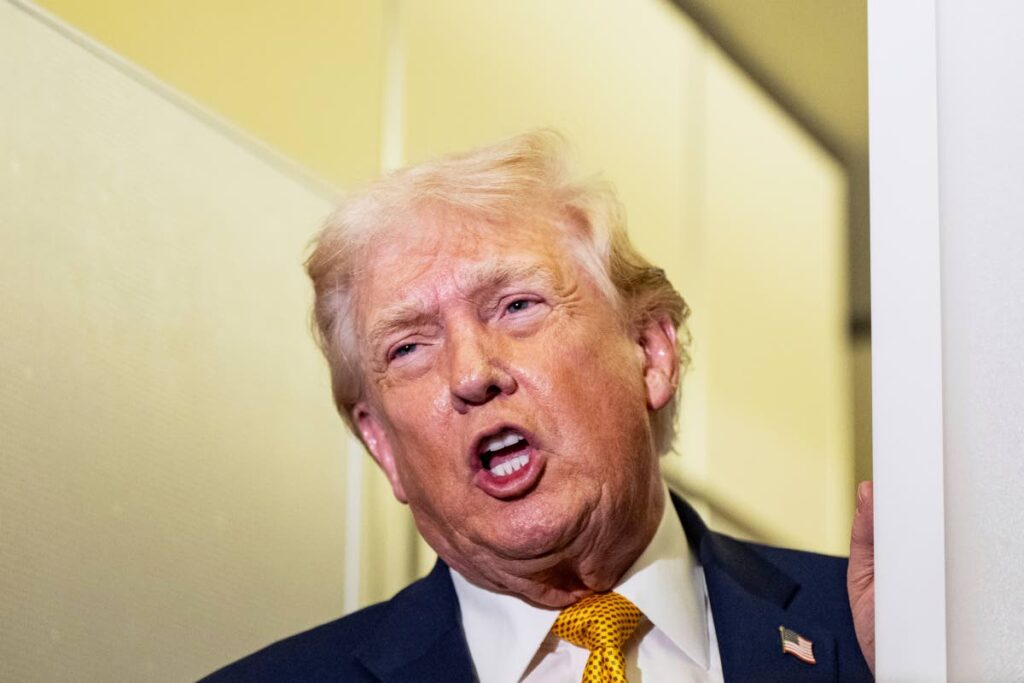
Maduro’s declaration of innocence from the courtroom dock contrasts starkly with the background of a U.S. president who has consistently demonstrated contempt for judicial processes while avoiding accountability for the January 6th insurrection. The current administration’s justice department faces additional scrutiny over alleged violations of the Epstein Files Transparency Act.
The response from regional leaders has revealed concerning patterns of diplomatic caution. Trinidad and Tobago’s prime minister, while permitting covert radar installations in Tobago and discouraging public criticism of Trump, has simultaneously distanced the nation from participation in these operations. This diplomatic positioning occurs alongside muted responses from Caricom regarding sovereignty violations, suggesting widespread apprehension about potential retaliatory measures from the Trump administration.
The erosion of international governance structures accelerated through conflicts in Gaza and Ukraine now faces further deterioration. The unilateral abduction of a national leader establishes dangerous precedents that prioritize power over legal frameworks, imperialistic ambitions over democratic principles, and unilateralism over international cooperation.
With Venezuela’s political future remaining uncertain and international institutions like the United Nations limited to symbolic condemnations, the global community confronts a transformed geopolitical landscape where might increasingly supersedes established legal conventions.