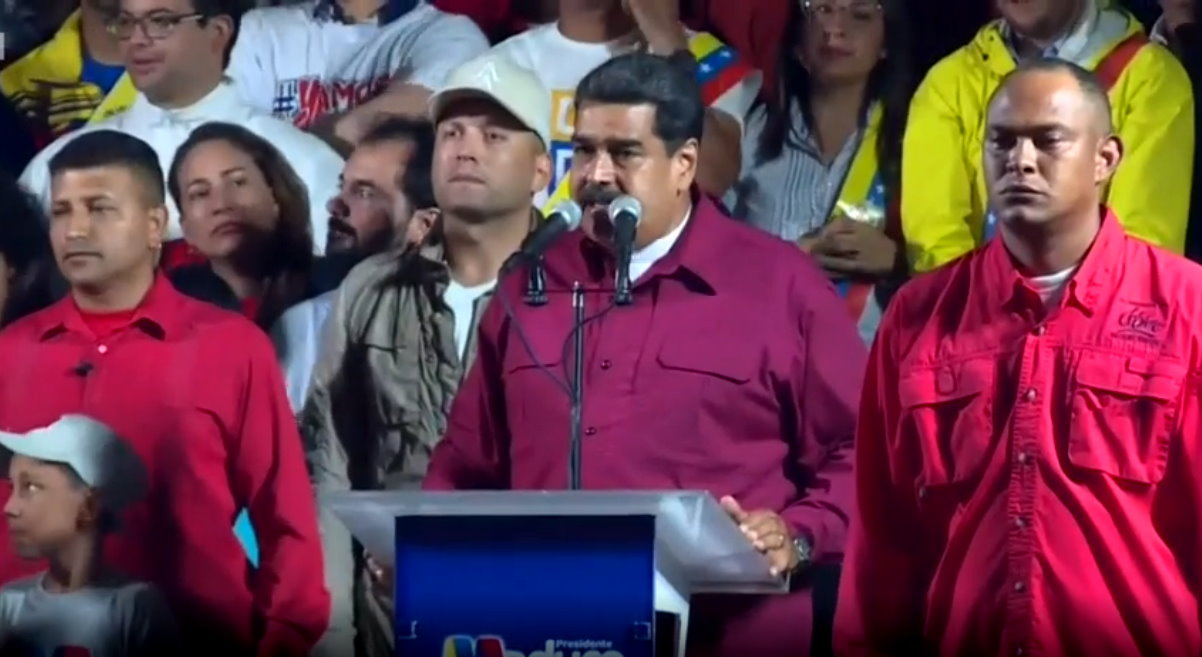
A seismic political event has rocked the Western Hemisphere following the unprecedented capture of Venezuelan President Nicolás Maduro and First Lady Cilia Flores by U.S. military forces in Caracas. The operation, which resulted in their transfer to New York for criminal proceedings, comes alongside a comprehensive 700-page indictment that reveals extensive narco-corruption networks penetrating multiple Caribbean governments.
The judicial document, filed in New York courts, presents detailed allegations that Maduro’s administration systematically transformed Venezuela into a narcostate, colluding with transnational criminal organizations including Colombia’s guerrilla factions and Mexico’s Sinaloa Cartel. The indictment identifies a sophisticated trafficking corridor stretching from South American production centers through Caribbean transit points to North American distribution networks.
According to federal prosecutors, Maduro and his associates—including Vice-President Diosdado Cabello Rondón, former interior minister Ramón Rodríguez Chacín, and the president’s son Nicolás Ernesto Maduro Guerra—orchestrated the shipment of thousands of metric tons of cocaine toward the United States. The scheme allegedly involved weaponizing state institutions, with accusations that Maduro issued diplomatic passports to traffickers during his tenure as foreign minister (2006-2008), while Flores allegedly facilitated meetings through bribery arrangements.
The document further describes how government-owned aircraft from Venezuela’s petroleum company PDVSA were repurposed for drug transports under armed guard. Héctor Rusthenford Guerrero Flores, leader of the notorious Tren de Aragua prison gang, is named as a key operational coordinator.
Beyond Venezuela, the indictment exposes a Caribbean-wide corruption web where politicians and officials allegedly received substantial payments from traffickers in exchange for protection and political favors. This ‘Caribbean route’ enabled cocaine shipments to move northward with impunity, undermining governance institutions and destabilizing regional security.
The dramatic capture operation, which U.S. Secretary of State Marco Rubio noted saved the government $50 million in previously offered reward money, represents one of the most aggressive actions ever taken against a sitting head of state. The case signals a hardening U.S. approach to transnational narcotics trafficking and political corruption, with implications that extend throughout Latin America and the Caribbean basin.
Maduro and Flores are scheduled to appear in federal court in New York within days, facing potential decades-long prison sentences if convicted. The proceedings are expected to reveal further details about the intersection of political power and organized crime in the Americas.