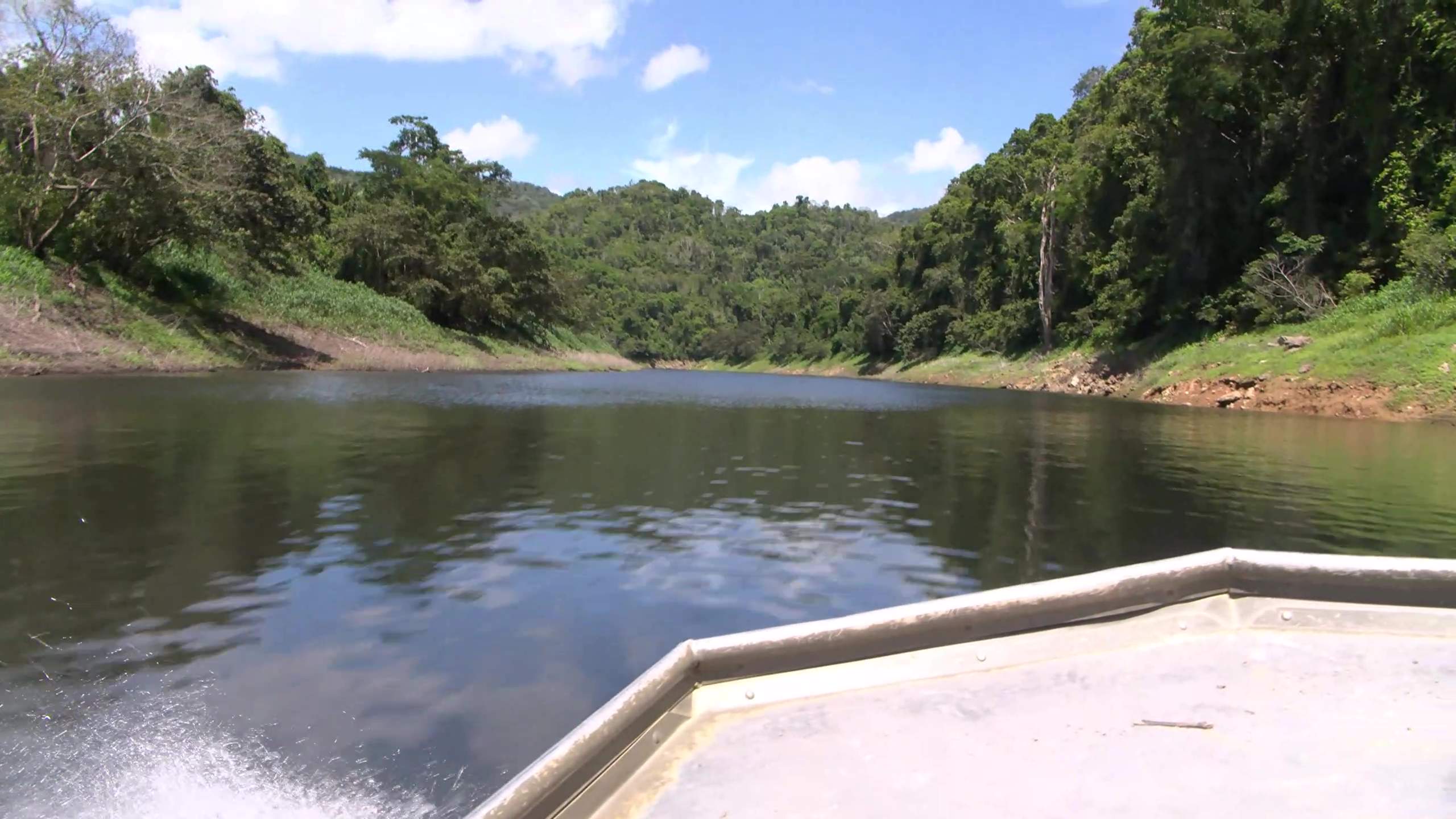
A critical examination of Belize’s Chiquibul-Mountain Pine Ridge-Caracol complex reveals growing concerns over the absence of an updated sustainable development framework. Originally established during the Barrow Administration, a comprehensive 15-year plan was designed to balance economic advancement with environmental preservation in this ecologically sensitive region.
Rafael Manzanero, Executive Director of Friends for Conservation and Development (FCD), emphasizes the dramatic transformation occurring within the landscape. “It is changing,” Manzanero states. “The area is no longer secluded or hidden away. It has become significantly more accessible, heightening the urgency for implementing sustainable development protocols.” He advocates for revisiting and modifying the original sustainable tourism development model conceived a decade ago, particularly emphasizing the importance of the Western Maya Mountains region.
Echoing these concerns, Orlando Habet, Minister of Sustainable Development, acknowledges the critical importance of the Chiquibul area’s resources. “We must reexamine this,” Habet emphasizes, highlighting that approximately forty percent of Belize’s population receives water originating from the Chiquibul watershed. The minister further notes the additional significance of the region’s dam infrastructure in national water supply systems.
Both experts concur that without immediate attention to sustainable development pillars, increased accessibility could accelerate environmental degradation rather than foster responsible growth. The original plan’s vision of creating a model for sustainable tourism development remains achievable, according to Manzanero, but requires governmental commitment and updated strategies to address the transformed landscape realities.