In a stunning geopolitical development, President Donald Trump has announced the capture of Venezuelan leader Nicolás Maduro and his wife Cilia Flores amid what he described as “large-scale” offensive operations against Venezuela. The unprecedented move has sent shockwaves through international diplomatic circles and drawn immediate comparisons to previous US-led captures of foreign leaders.
The Venezuelan government, through Vice President Delcy Rodríguez, has expressed grave concerns about Maduro’s whereabouts. In an audio message broadcast on state television, Rodríguez demanded concrete evidence that both Maduro and Flores remain alive, indicating complete uncertainty within Caracas about their president’s status.
This dramatic escalation follows sustained military operations by US forces in the Caribbean Sea and Eastern Pacific targeting vessels suspected of drug trafficking. Washington has long accused Maduro’s administration of involvement in narcotics smuggling, providing the stated justification for these recent actions.
The capture evokes historical precedents including the 1989 US invasion of Panama that ousted Manuel Noriega. Like Maduro, Noriega faced US drug trafficking charges before being captured, tried in American courts, and imprisoned. The Panama operation represented the largest US combat mission since Vietnam at the time, justified variously as protecting American citizens, combating dictatorship, and stopping drug trafficking.
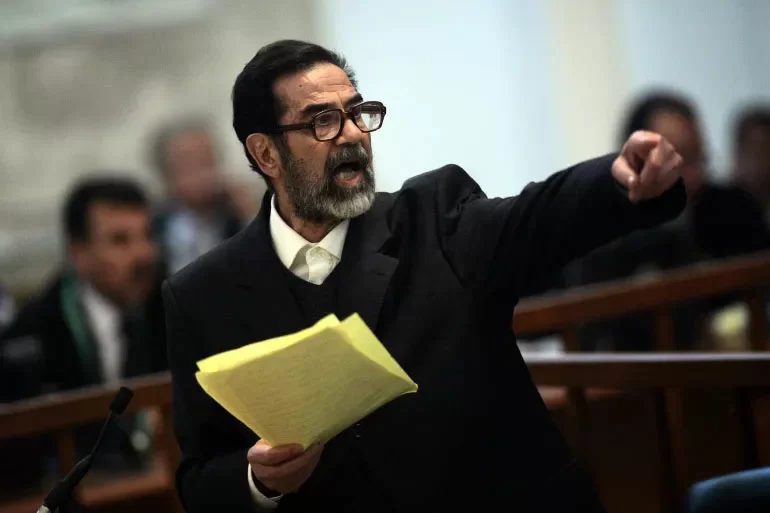
Similarly, the 2003 capture of Iraqi leader Saddam Hussein by US forces following the invasion based on disputed weapons of mass destruction intelligence presents another parallel. Both Noriega and Hussein had previously been US allies before falling out of favor with Washington.
Adding contemporary complexity, the recent case of former Honduran President Juan Orlando Hernández demonstrates the unpredictable nature of US foreign policy. Despite being convicted on drug and corruption charges and sentenced to 45 years in US prison, Hernández received a presidential pardon from Trump in December 2025, only to subsequently face an international arrest warrant from Honduran authorities.
The capture of a sitting head of state represents an extraordinary escalation in US-Venezuela relations and raises profound questions about international law, sovereignty, and the future of regime change operations in the 21st century.