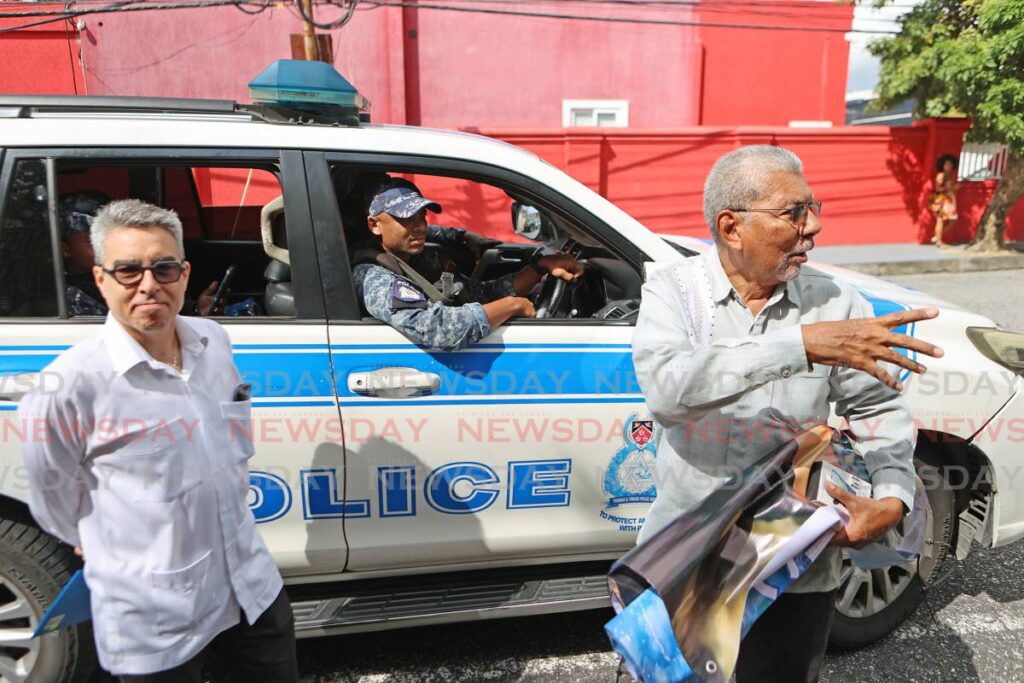
PORT OF SPAIN – Venezuelan Ambassador Álvaro Enrique Sánchez Cordero stood alongside social activists and political leaders outside his nation’s embassy in Trinidad on January 4, delivering a fiery condemnation of the United States’ military operation that resulted in President Nicolás Maduro’s detention.
The demonstration, organized by Movement for Social Justice leader David Abdulah and activist Abeo Jackson, brought together fewer than 30 protesters who expressed unwavering solidarity with Caracas’ leadership. Their gathering occurred just one day after U.S. forces entered Venezuelan territory to apprehend Maduro on narco-terrorism charges.
Ambassador Cordero characterized the operation as “a political kidnapping designed to terrorise a nation that refuses to surrender.” In an impassioned address, he asserted that “Nicolas Maduro continues to be the constitutional president of Venezuela” and condemned what he described as years of economic warfare against his country.
“This attack is the sharpest edge of a years-long war and illegal economic blockade designed to starve a people into submission,” Cordero declared, attributing the aggression to “neo-colonial arrogance” rooted in the Monroe Doctrine.
The protest took on diplomatic dimensions as Trinidadian police maintained a conspicuous presence, questioning attendees and even requesting identification from the Venezuelan ambassador. Cordero complied with these requests while maintaining that the gathering violated no local laws.
MSJ leader David Abdulah delivered a scathing critique of both American interventionism and the Trinidadian government’s perceived complicity. He drew parallels between Maduro’s detention and Israel’s military actions in Gaza, stating that both represented violations of international law.
“As a patriot of TT, I am condemning the Prime Minister of TT for continued complicity in this regard with Trump,” Abdulah asserted, dismissing government claims of non-involvement as insufficient.
Activist Abeo Jackson warned that Trinidad’s stance would have historical consequences, urging citizens to reject what she characterized as silent consent to American hegemony. “Our silence is not neutrality, it is consent,” she cautioned. “The future will be decided right now.”
Participants dismissed international media coverage showing Venezuelans celebrating Maduro’s arrest as propaganda featuring “paid players.” Shabaka Kambon of the Caribbean Freedom Project reported contacting colleagues in Caracas who claimed to be participating in solidarity vigils, suggesting domestic support for the detained president remains strong.
Despite the intimate size of the demonstration, the significant police presence highlighted regional tensions following the unprecedented cross-border military operation. Protesters ultimately arranged themselves along the embassy walls to avoid obstructing pedestrian traffic while maintaining their visible protest.