Guyana’s primary opposition coalition, A Partnership for National Unity (APNU), has issued an urgent advisory to the government regarding potential security and humanitarian consequences stemming from recent US military operations in Venezuela. The organization emphasized the critical need for immediate contingency planning to address a possible influx of displaced persons across the western border.
APNU proposed a comprehensive four-point strategy that includes establishing designated reception zones at secure distances from the border area. These zones would require pre-positioned essential supplies including water, food, medical resources, and shelter materials. The opposition coalition specifically highlighted the necessity of implementing robust vetting mechanisms to prevent potential infiltration threats that could compromise national interests.
While advocating for humanitarian response measures, APNU simultaneously called for strengthened security protocols and systematic registration procedures to ensure orderly management of any migration flow. The organization stressed that such measures must balance humanitarian concerns with national security requirements.
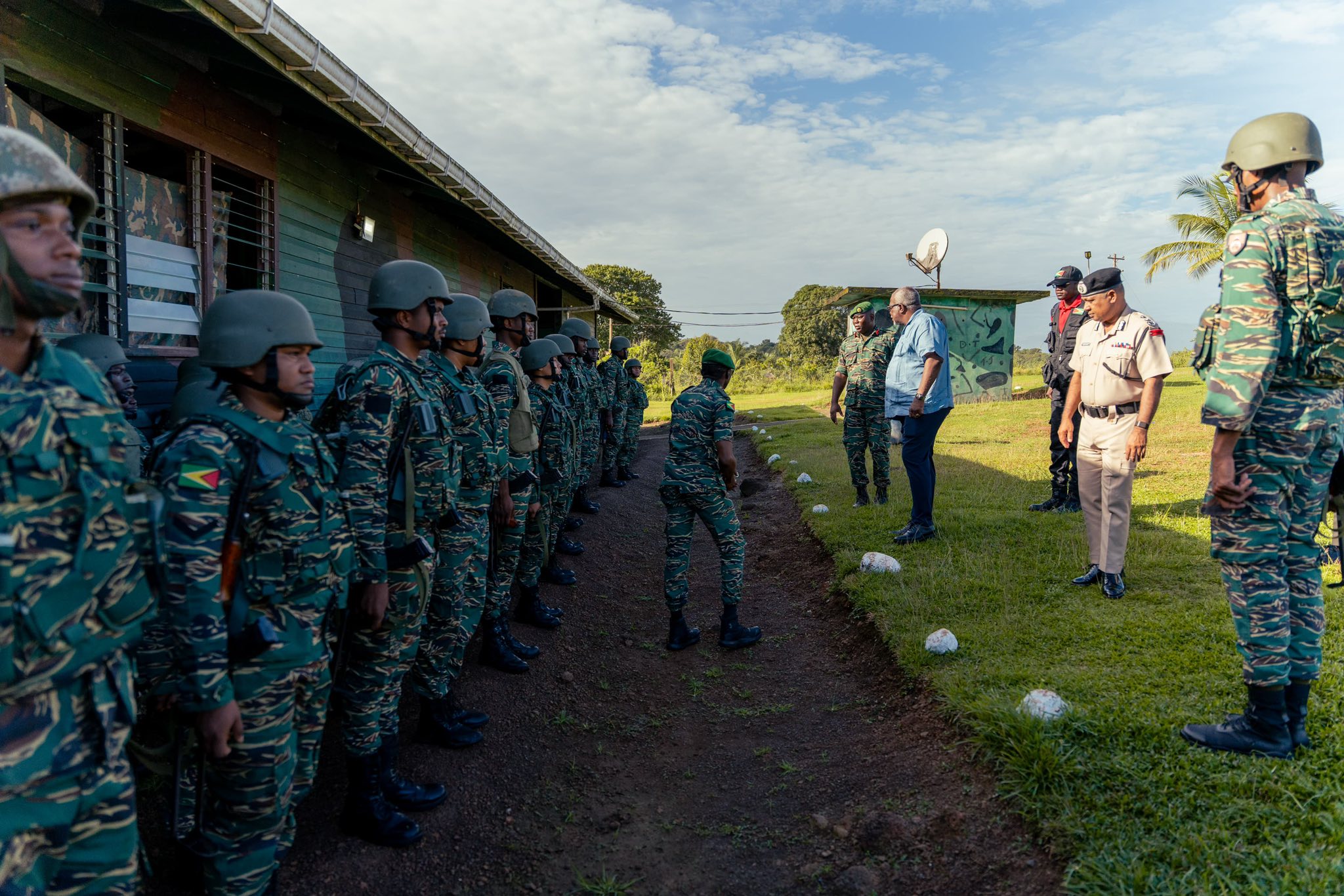
President Irfaan Ali, responding to inquiries, acknowledged ongoing border monitoring efforts but noted he had not yet reviewed APNU’s specific recommendations. The President confirmed that Prime Minister Mark Phillips was currently engaged with defense and security personnel in border regions to assess preparedness in light of regional developments.
APNU further recommended establishing a joint humanitarian task force incorporating multiple government agencies including the Civil Defence Commission, Guyana Defence Force, and relevant ministries. The opposition coalition also urged international engagement with organizations including CARICOM, UN refugee agencies, and the International Red Cross to secure potential logistical and financial support.
Emphasizing the need for bipartisan cooperation, APNU offered legislative support, community network mobilization, and budgetary approval assistance to address what they characterize as a national emergency requiring unified response. The organization noted that while Guyana maintains its position on territorial matters through the International Court of Justice process, the current situation demands pragmatic humanitarian planning.
Background context indicates significant prior migration from Venezuela, with official figures documenting approximately 40,000 legal Venezuelan residents in Guyana and unofficial estimates suggesting total numbers exceeding 100,000 individuals who have fled political and economic instability over the past decade.