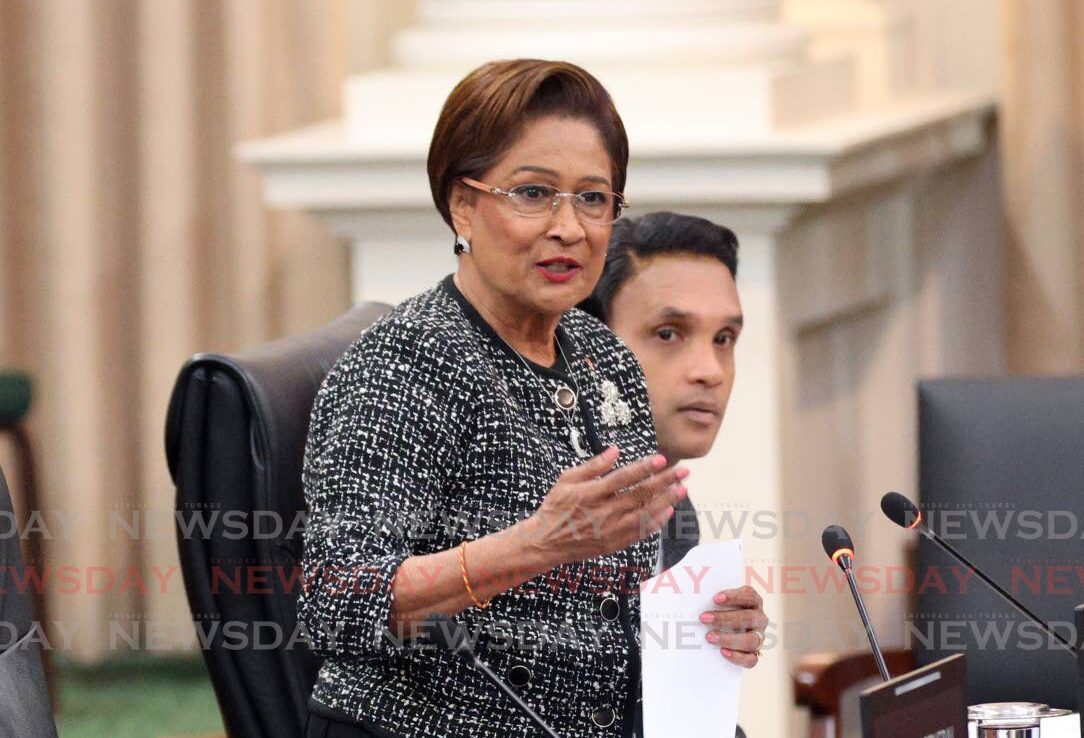
Trinidad and Tobago’s Prime Minister Kamla Persad-Bissessar has articulated a firm stance on Venezuela’s political turmoil, emphasizing that Venezuelan citizens must autonomously determine their leadership through democratic processes. This position emerged following the dramatic capture of former Venezuelan president Nicolás Maduro by US military forces on December 3rd, who now faces narcotrafficking charges in American courts.
In a written statement to Newsday on January 4th, Persad-Bissessar clarified that her administration would collaborate with any transition government provided it commits to conducting legitimate elections. “I support free and fair democratic elections,” she asserted. “I do not support any specific person or organization.” This declaration gains significance given her previous designation as persona non grata by the Maduro administration, where current disputed leader Delcy Rodríguez served as vice president.
The Prime Minister additionally endorsed US military involvement in the region, noting its contribution to enhanced security for Trinidad and Tobago. Her comments arrive amid contradictory signals from Washington, where President Donald Trump initially endorsed Rodríguez’s leadership while simultaneously declaring American oversight of Venezuelan affairs, while dismissing opposition figure María Corina Machado as lacking popular support.
Political analyst Dr. Indira Rampersad provided critical context, noting the extraordinary nature of political alliances while expressing skepticism regarding Rodríguez’s viability as leader. “Rodríguez remains fundamentally aligned with Maduro’s ideology and governance approach,” Rampersad observed. She characterized Trump’s endorsement as potentially impulsive and questioned its implementation mechanics.
Rampersad anticipates significant challenges for Rodríguez, predicting her leadership would prove transient due to overwhelming public demand for genuine change. With approximately eight million Venezuelan migrants worldwide experiencing newfound stability, she suggests widespread resistance to returning to previous governance models. The academic emphasized that only internationally observed elections producing a democratically elected government would establish the legitimacy necessary for meaningful international engagement.