International relations specialist Anthony Bryan has categorically rejected U.S. President Donald Trump’s assertion that the United States would directly govern Venezuela following the military extraction of President Nicolás Maduro. The operation, conducted by U.S. forces in the early hours of January 3rd, resulted in Maduro and his wife Cilia Flores being removed from a fortified compound in Caracas.
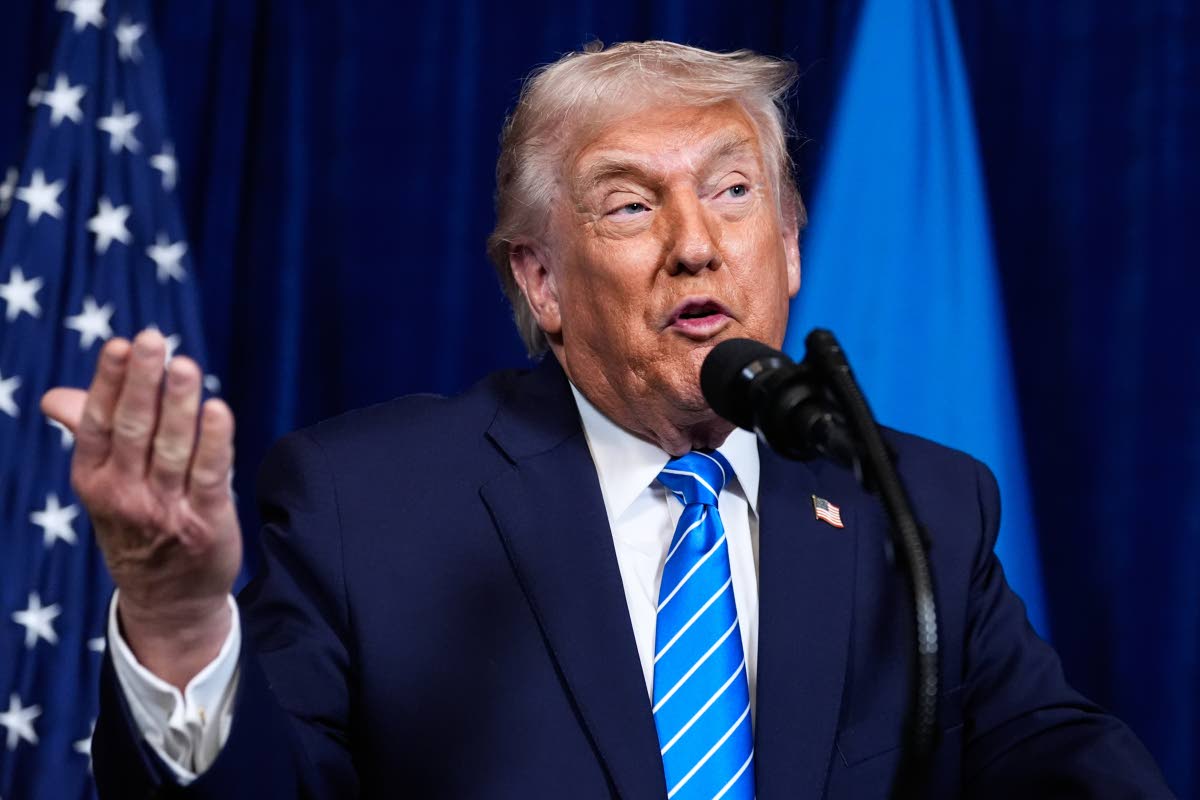
During a press briefing at his Mar-a-Lago estate in Florida, Trump declared that the U.S. would assume control of Venezuela’s administration and leverage its substantial oil reserves for international trade. However, the President provided no detailed explanation regarding the mechanics of this proposed governance structure or the composition of any transitional administration.
Bryan, who serves as co-chairman of the Caribbean Policy Consortium, countered through WhatsApp communications on January 4th that “Trump cannot run Venezuela. Maduro is gone but the power structure in Venezuela remains.” The expert emphasized that constitutional succession had already occurred with Vice President Delcy Rodríguez assuming the presidency following Maduro’s capture.
Trump acknowledged that Rodríguez had been sworn in as interim leader and had engaged in discussions with U.S. Secretary of State Marco Rubio, indicating her cooperation. However, the President simultaneously expressed skepticism about Rodríguez or any Maduro administration figures retaining power long-term.
The U.S. leader also cast doubt on exiled opposition figure María Corina Machado’s potential involvement in any interim government, questioning her domestic support and respect within Venezuela. Trump promised imminent announcements regarding American designees who would ensure the country’s proper management.
This development follows Bryan’s November expressed hope for diplomatic resolution between the two nations—a prospect Trump now claims Maduro squandered through missed opportunities. The President additionally asserted that American energy corporations would enter Venezuela to rehabilitate infrastructure and generate national revenue, with promised reimbursements for those economically impacted under Maduro’s regime.