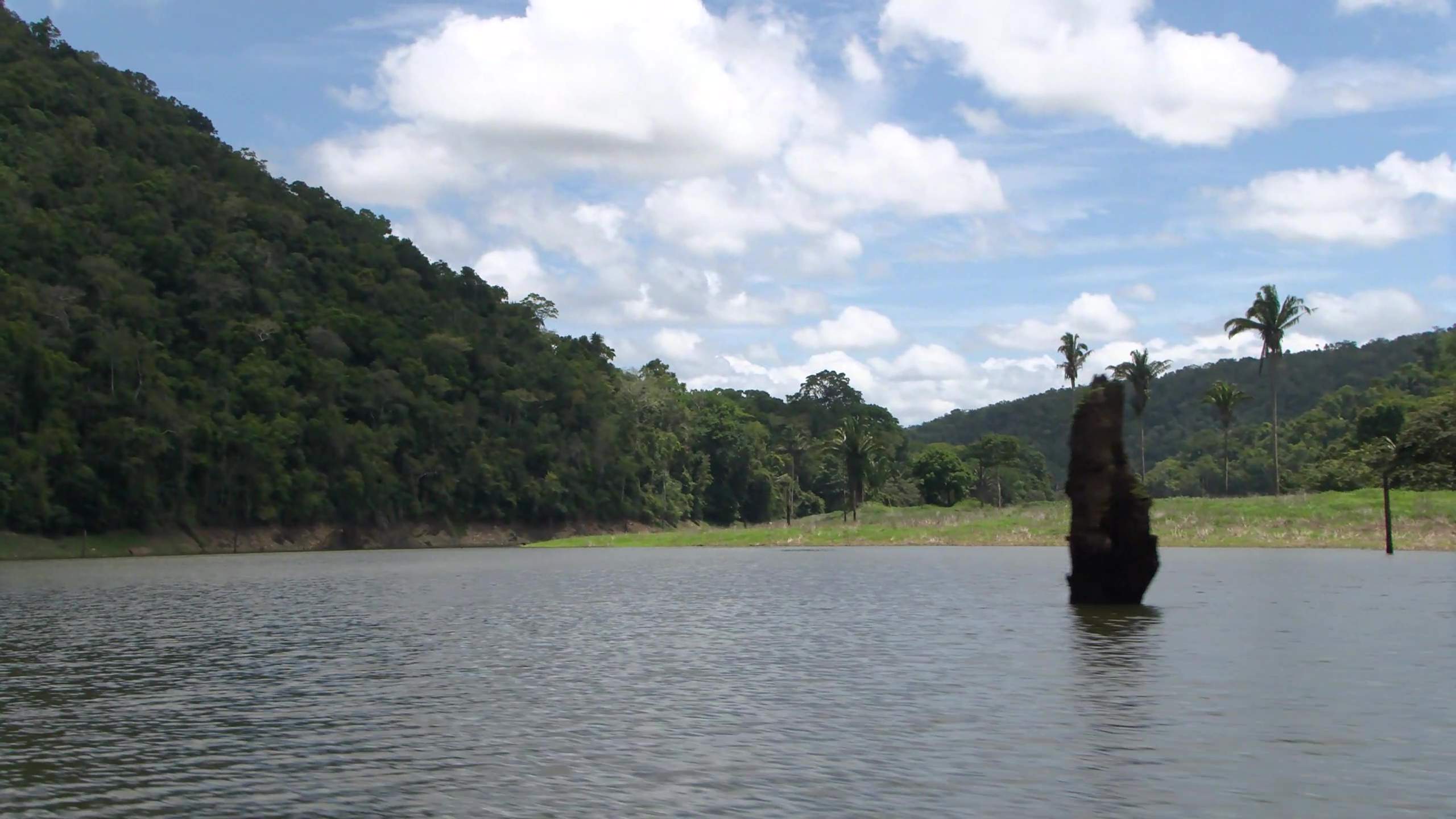
The pristine wilderness of Belize’s Chiquibul Forest, renowned for its exceptional biodiversity including tapirs, white-tail deer, and scarlet macaws, now stands at a critical juncture. The recent completion of the Caracol Road infrastructure project has opened previously inaccessible areas to development, triggering government review of multiple eco-tourism proposals that could forever alter this fragile ecosystem.
With international conservation hospitality company Wilderness expressing interest in establishing high-end cabanas and the Belizean government evaluating sustainable development frameworks, stakeholders are grappling with fundamental questions about balancing economic opportunity with environmental preservation. The Chiquibul ecosystem provides 45% of the nation’s water resources and represents significant carbon sequestration value, making conservation priorities particularly urgent.
Minister of Sustainable Development Orlando Habet acknowledges the delicate balance required: “Certain things would have to be off limits. We need to protect the headwaters and wildlife.” This sentiment echoes concerns raised by conservationists and tourism industry representatives alike, who recognize both the economic potential and environmental risks.
The previously developed Sustainable Development Plan for the Chiquibul-Mountain-Pine Ridge-Caracol complex, created in 2020, now requires urgent updating and implementation. Senator Janelle Chanona emphasizes the need for “a multi-stakeholder governance body” to ensure all Belizeans benefit from development rather than only “the connected few.”
As proposals undergo scrutiny, the fundamental question remains whether Belize can establish a model for truly sustainable tourism that protects watersheds, wildlife habitats, and cultural heritage while creating economic opportunities. The decisions made in coming months will determine whether the Chiquibul becomes a global conservation success story or another case study in ecological compromise.