The year 2025 marked a profound political transformation for Trinidad and Tobago, characterized by unprecedented female leadership and critical foreign policy decisions that defined the nation’s geopolitical stance. The year commenced with the anticipated departure of Prime Minister Dr. Keith Rowley and the subsequent installation of Stuart Young as his hand-picked successor. Young’s tenure proved historically brief as the nation overwhelmingly voted for change on April 28, resulting in the United National Congress (UNC) returning to power and making Kamla Persad-Bissessar the country’s first and only female prime minister—reclaiming her previous position.
The political revolution extended beyond the executive branch as the opposition People’s National Movement (PNM) appointed its first female Opposition Leader after dismissing their previous leader following a mere 42-day tenure. This development created a remarkable historical moment with women simultaneously occupying the nation’s presidency, prime ministership, and opposition leadership.
Despite domestic developments including the extension of a state of emergency, the arrest of a sitting police commissioner, and alleged assassination plots against government officials, the dominant headline of 2025 emerged from the international arena. The escalating diplomatic impasse between the United States and Venezuela positioned Trinidad and Tobago at a critical juncture, requiring careful navigation of complex geopolitical tensions.
Prime Minister Persad-Bissessar’s unequivocal alignment with the United States in its ongoing conflict with Venezuela generated significant discourse. This strategic positioning prevented severe deterioration of bilateral relations with the United States, as evidenced by comparative analysis with other Caribbean nations like Dominica and Antigua that faced diplomatic consequences for different approaches.
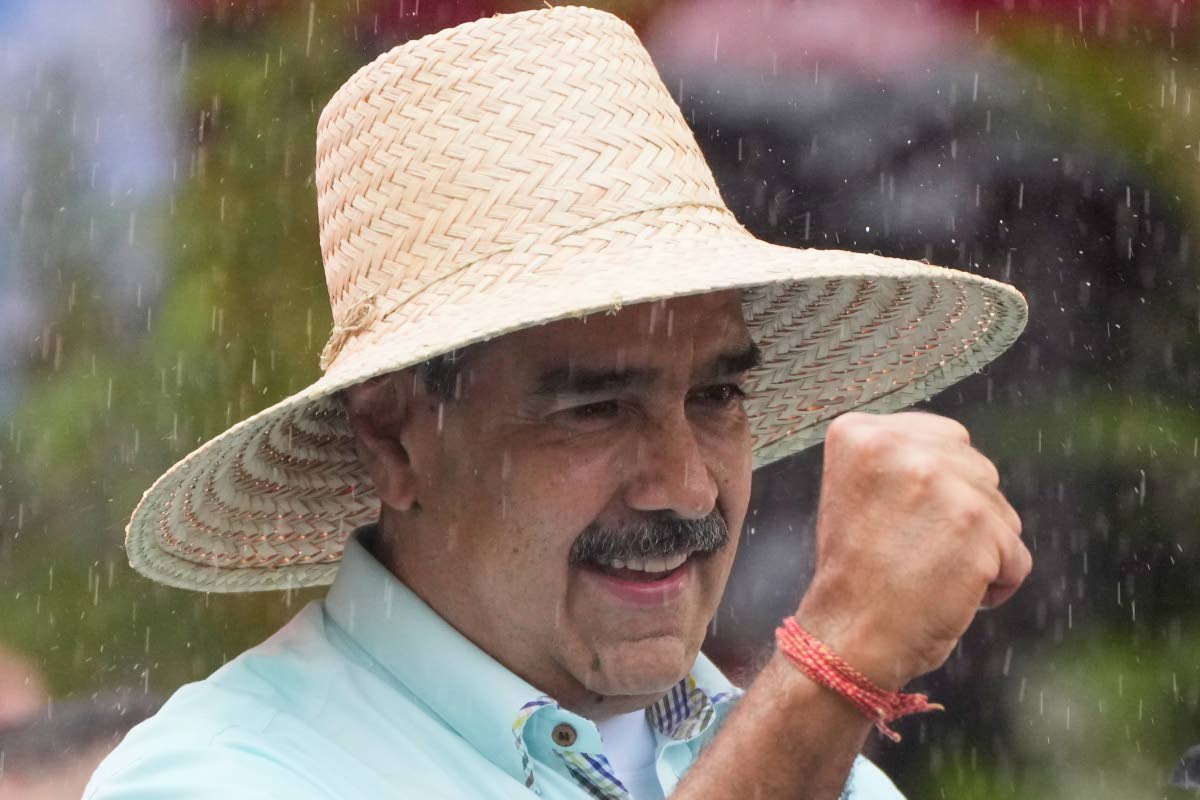
Historical analysis suggests alternative leadership under either Rowley or Young would have likely resulted in overt support for Nicolás Maduro’s Venezuelan regime under the guise of sovereignty and independence. Such alignment would have placed Trinidad and Tobago in an untenable position with the United States, potentially resulting in substantial national detriment driven by what the author characterizes as masculine pride and arrogance.
As the nation progresses into 2026, Prime Minister Persad-Bissessar demonstrates leadership qualities deemed appropriate for this complex historical period. The outlook includes hopes for peaceful conflict resolution, enhanced dialogue with CARICOM leaders, and cautious optimism for navigating forthcoming challenges while achieving meaningful successes for the Trinidad and Tobago populace.