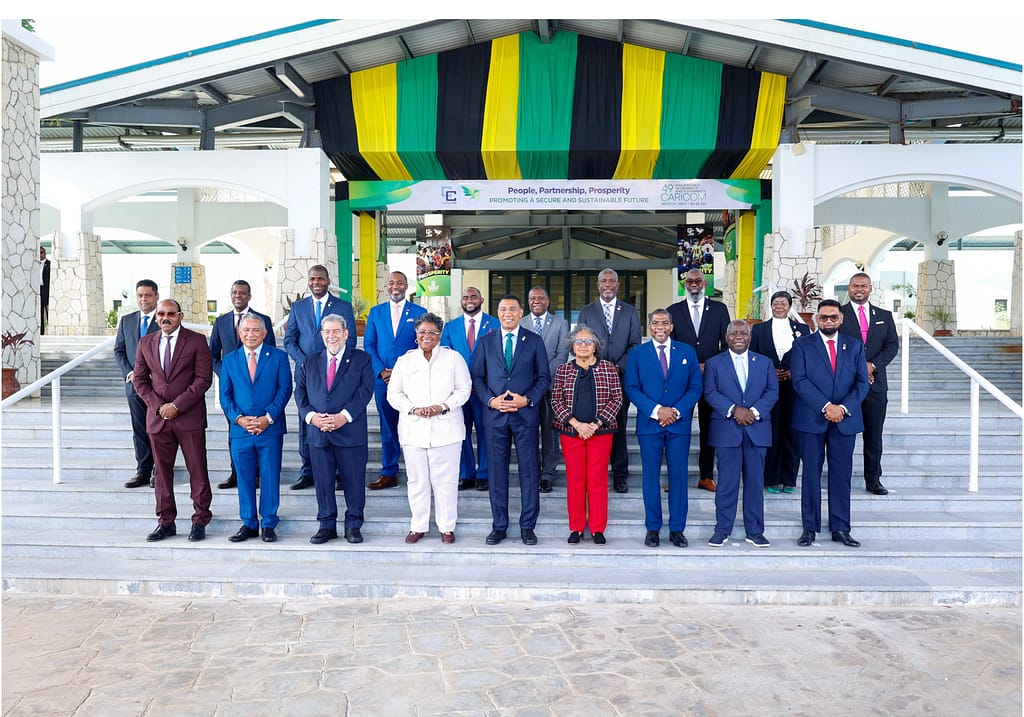
The Caribbean Community (CARICOM) concluded 2025 with notable achievements in regional integration and economic development, yet simultaneously confronted significant diplomatic challenges stemming from the foreign policy approach of Donald Trump’s second presidential term. According to analysis by Dr. Nand C. Bardouille, an international relations expert at The University of the West Indies, the Trump 2.0 administration has introduced substantial uncertainty into U.S. relations with the bloc’s fourteen sovereign member states.
A particularly consequential development has emerged from Trinidad and Tobago, where a major recalibration of foreign policy alignment with the United States has created fissures within CARICOM’s unity. This shift reflects broader regional apprehensions about Washington’s renewed military presence across Caribbean territories and its evolving approach to hemispheric affairs.
Dr. Bardouille’s comprehensive analysis, documented across multiple scholarly publications throughout 2025, identifies this foreign policy divergence as a critical test for regional cohesion. His research examines how member states are navigating competing national and regional interests amid heightened geopolitical tensions, particularly regarding Venezuela policy and great-power competition.
The analytical series highlights how CARICOM nations have experienced foreign policy setbacks during the initial months of Trump’s renewed presidency. These challenges occur against the backdrop of escalating great-power politics that have intensified focus on spheres of influence throughout the Caribbean region.
Looking toward 2026, expectations are mounting that regional leadership will prioritize cooperative solutions over confrontation. The forthcoming Fiftieth Regular Meeting of the Conference of Heads of Government of CARICOM, scheduled for February in St. Kitts and Nevis, represents a crucial opportunity for diplomatic reconciliation.
Incoming CARICOM Chairman Terrance Drew, Prime Minister of St. Kitts and Nevis, has signaled his commitment to fostering ‘reflection, calm leadership, and renewed commitment to the Caribbean ideal.’ This statement has been positively received by regional stakeholders who anticipate his chairmanship will help reset intra-CARICOM relations during this period of geopolitical uncertainty.