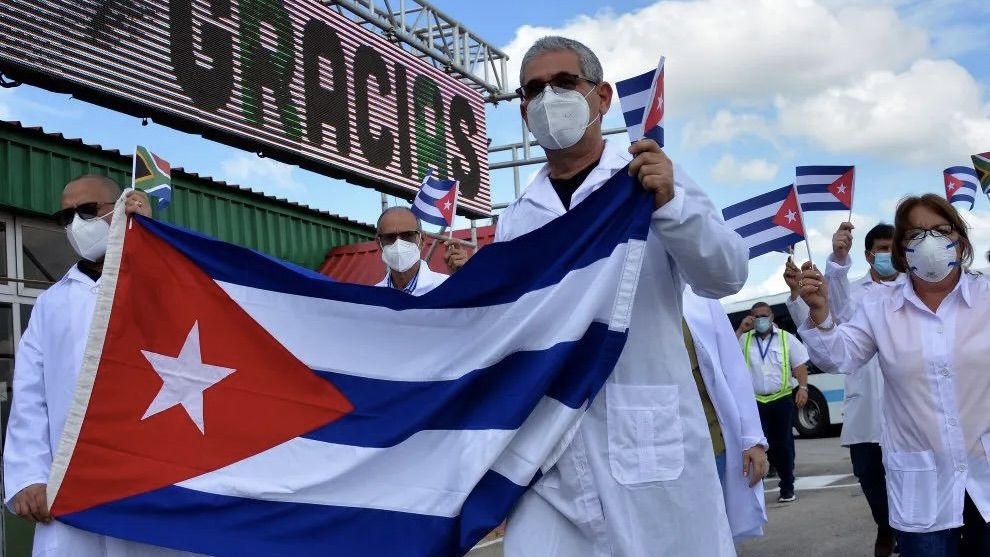
In a significant geopolitical shift, Antigua and Barbuda has reportedly terminated its longstanding medical cooperation agreement with Cuba after facing sustained pressure from the United States government. While official confirmation remains pending, the apparent dissolution of this decades-old partnership marks a dramatic reversal from Prime Minister Gaston Browne’s previously staunch defense of Cuban medical assistance programs.
The United States has consistently criticized Cuba’s medical missions abroad, labeling them as forms of “human trafficking” and demanding that compensation be paid directly to healthcare professionals rather than through Cuban government channels. Washington maintains that the current arrangement constitutes exploitation of medical workers and violates international labor standards.
This diplomatic pressure escalated considerably during summer months when US officials indicated that Caribbean leaders facilitating Cuban medical programs could potentially face personal sanctions. In response, Antigua and Barbuda attempted to implement what government officials described as “payment tweaks” to address American concerns while preserving the essential medical partnership.
The complete termination of the program indicates these compromise measures ultimately failed to satisfy US demands. Notably, the Browne administration has maintained official silence regarding the partnership’s dissolution, despite the Prime Minister’s history of directly addressing controversial matters.
Instead, political opposition forces have broken the silence. The United Progressive Party issued a December press release expressing regret over the partnership’s abrupt termination while clarifying their non-involvement in the decision. The statement affirmed continued gratitude toward Cuba despite the administration’s apparent policy shift.
The program’s cessation raises practical concerns about healthcare delivery in Antigua and Barbuda, where Cuban medical professionals previously formed what Prime Minister Browne himself described as “the core of our health services.” The government has yet to outline strategies for addressing anticipated healthcare workforce shortages resulting from this diplomatic realignment.