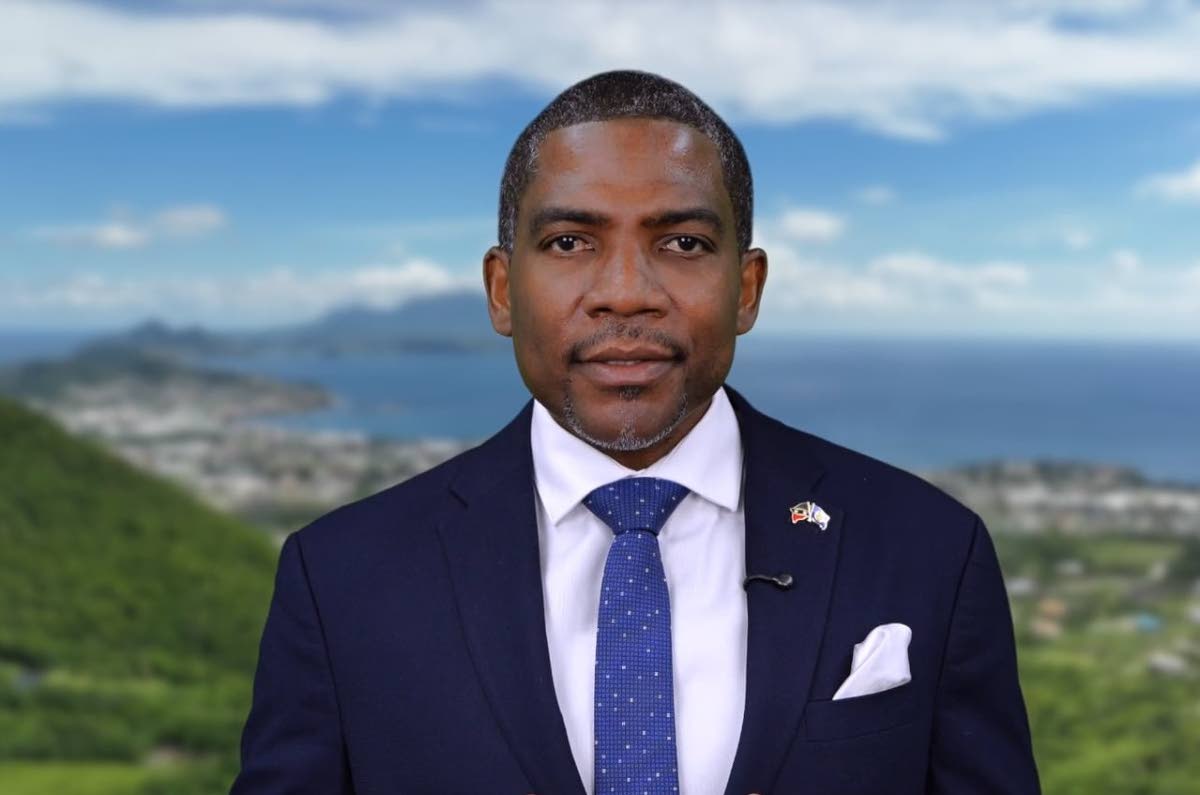
The Caribbean Community (CARICOM) faces a significant test of regional solidarity as new chairman Dr. Terrance Drew, Prime Minister of St. Kitts and Nevis, advocates for enhanced coordination amid growing internal divisions. In his inaugural New Year’s address on December 31, Dr. Drew emphasized that regional integration represents an essential strategy rather than an optional pathway for Caribbean nations navigating global uncertainties.
Dr. Drew’s message promoting collective Caribbean interests stands in stark contrast to the position articulated by Trinidad and Tobago Prime Minister Kamla Persad-Bissessar, who has openly criticized CARICOM’s geopolitical stance. The divergence centers particularly on responses to recent U.S. military operations in the region, including actions against Venezuelan facilities described as drug operations and the seizure of oil tankers.
While Persad-Bissessar has aligned her nation with United States policy objectives, she has simultaneously condemned CARICOM’s official position maintaining the Caribbean as a zone of peace. In media statements from December 20-22, she characterized the organization as supporting what she termed the ‘Maduro narco-government’ and accused CARICOM of engaging in ‘zone of peace fakery.’
The incoming chairman, who will guide the 21-member bloc for the next six months, framed current challenges within the historical context of Caribbean achievement. Dr. Drew highlighted the region’s extraordinary contributions to global culture, sports, intellectual thought, and political philosophy despite its relatively small size and complex history shaped by slavery and indentured labor.
Addressing the visible tensions between member states, Dr. Drew acknowledged that differences naturally occur within diverse communities but emphasized the importance of managing dialogues with ‘mutual respect and regional responsibility.’ He articulated CARICOM’s fundamental purpose as a forum for constructive conflict resolution rather than unanimous agreement, asserting that ‘our collective strength is greater than any single issue before us.’
The chairman’s vision calls for enhanced institutional strengthening, deeper consultation mechanisms, and strategic maturity in international engagements. Dr. Drew announced preparations for the 50th Regular Meeting of the Conference of Heads of Government, scheduled for February 24-27, 2026, in St. Kitts and Nevis, where these critical issues will feature prominently on the agenda.
Meanwhile, Persad-Bissessar’s criticisms extend beyond geopolitical alignment to fundamental concerns about CARICOM’s institutional health. She has pointed to ‘poor management, lax accountability, factional divisions, and private conflicts between regional leaders’ as existential threats requiring transparent addressing rather than diplomatic concealment.
The emerging divide presents a crucial moment for Caribbean governance, testing whether the region can maintain a unified voice amid increasingly complex global pressures and internal disagreements about strategic partnerships and fundamental values.