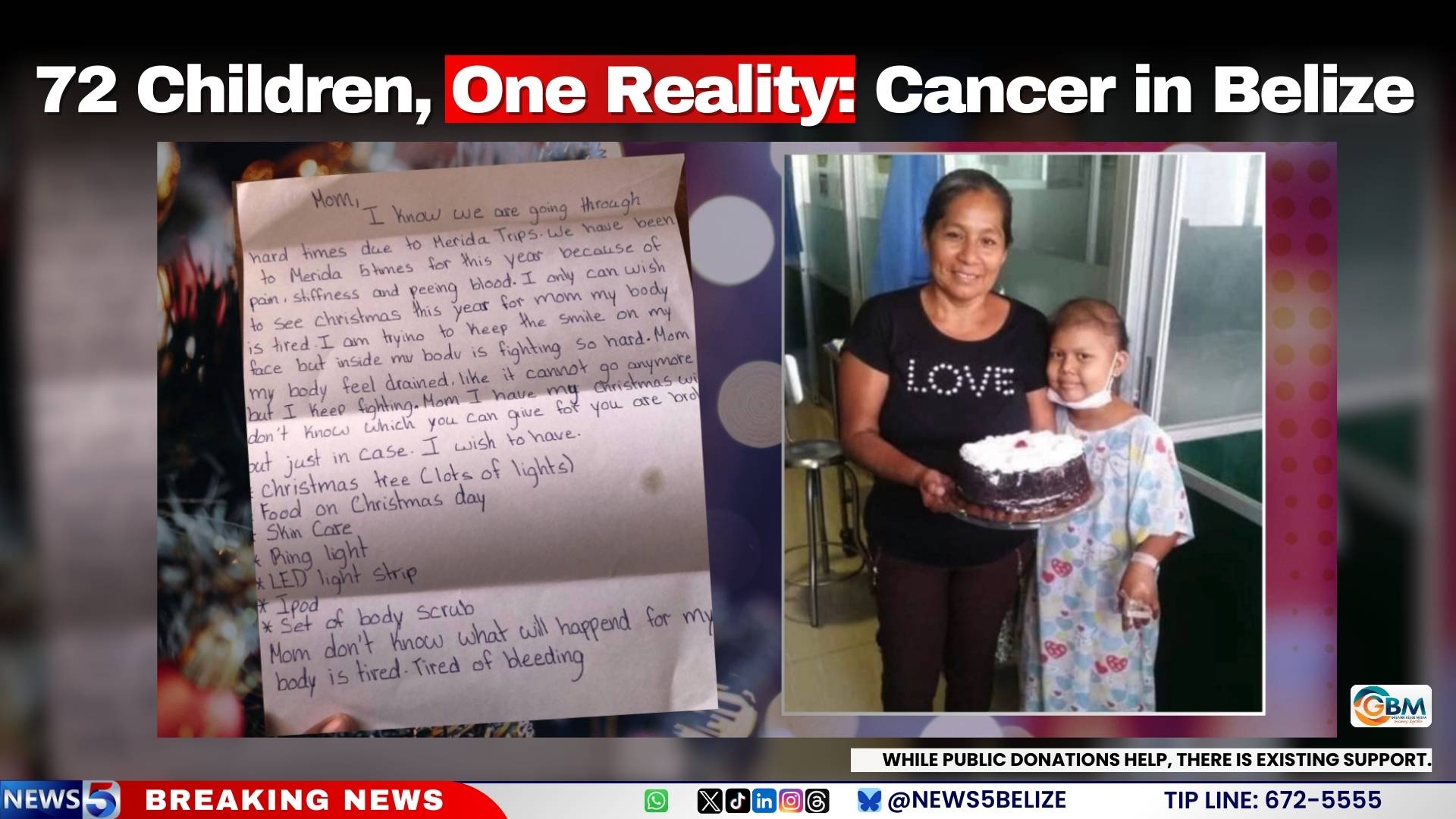
BELIZE CITY – A deeply personal story of one child’s cancer battle has catalyzed national awareness around pediatric oncology in Belize, where official health data reveals 72 children have received cancer diagnoses over the past five years. These diagnoses create profound emotional distress and impose severe financial burdens on affected families, exposing systemic healthcare challenges in the Central American nation.
Amidst this crisis, structured support mechanisms are emerging. The Belize Cancer Society has positioned itself as a critical intervention agency, providing comprehensive assistance with medical logistics, international travel coordination, and financial aid. “The moment a child receives a cancer diagnosis, families experience complete overwhelm. Our mission at the cancer center is to immediately step into that chaos with structured support,” explained Kim Simplis Barrow, President of the Belize Cancer Society.
The organization facilitates navigation through complex healthcare systems and ensures timely access to treatment. “We deliver essential information and guide families through every step—from Belize to overseas care centers. Our response is typically immediate, without unnecessary delays,” Barrow emphasized.
On the governmental front, Dr. Natalia Largaespada Beer, Technical Advisor at the Ministry of Health and Wellness, confirmed that chemotherapy treatments are fully funded at the Karl Heusner Memorial Hospital, with the government having eliminated the General Sales Tax on cancer medications to reduce financial barriers.
Significant treatment advancements have emerged from pandemic-driven innovations. A coalition of healthcare providers now delivers specialized chemotherapy within Belize—a development initially necessitated by international border closures but now becoming a permanent enhancement to domestic care capabilities.
Despite these improvements, critical limitations persist. Complex diagnostics and long-term treatment protocols still require international referrals, creating additional strain on families. Addressing this gap, a transformative project is underway: construction of a new pediatric cancer wing, supported by St. Jude Children’s Research Hospital, scheduled for completion in 2027. This facility promises to localize comprehensive childhood cancer care, fundamentally transforming treatment accessibility in Belize.
“This initiative represents a monumental shift—it’s about bringing complete childhood cancer care home to Belize,” Barrow stated, highlighting the project’s potential to revolutionize pediatric oncology in the nation.