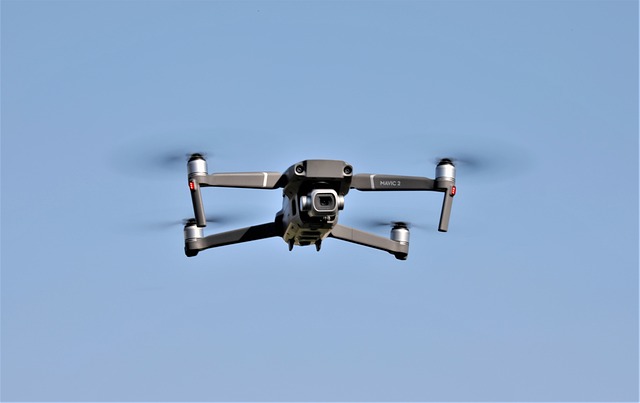
In a strategic move to combat the escalating threat of digital crime, the Royal Grenada Police Force (RGPF) has formally launched two specialized technology units. Commissioner Randy Connaught announced the establishment of a Digital Forensic Unit and a Drones Unit during his year-end press conference, highlighting significant technological investments to address crimes ranging from digital fraud and data theft to online harassment.
The Drone Unit, which began with a single aircraft, has now expanded into a full fleet operated by qualified pilots, with additional personnel currently undergoing training. While Commissioner Connaught showcased the drone program’s expansion, operational details of the Digital Forensic Unit remain closely guarded.
This law enforcement modernization aligns with broader national security initiatives. Prime Minister Dickon Mitchell addressed Parliament in August 2024, emphasizing drone technology’s revolutionary potential, particularly for healthcare applications, and announced forthcoming regulations governing drone operations, including no-fly zones. However, these policies have not yet been formally gazetted into law.
Assistant Commissioner Vannie Curwen provided stark context for these developments, noting the increasing digitalization of criminal activity. “We have been able to build out a Digital Forensic Unit giving us the capacity to go far, deep and wide into everything,” Curwen stated. “Every electronic gadget that is used to commit a crime, we will find you, and if you delete it, we will be able to find it again.”
The urgency of these measures is underscored by a regional situational assessment conducted under the World Bank-funded Caribbean Digital Transformation Project (CARDTP). Published in August 2025, the report reveals cyber threats are proliferating faster than public comprehension, with Grenada showing particularly concerning trends.
Focus groups conducted with Grenadian citizens revealed widespread experience with cyber incidents—from scams to impersonation and cyberbullying—yet fewer than half of participants could accurately define basic cybersecurity terms like “phishing” or “two-factor authentication.” Many believed cybercrime only targeted large institutions rather than ordinary citizens, and reporting rates remained low due to uncertainty about procedures, fear of embarrassment, and lack of trust in response systems.
The assessment recommends comprehensive public education campaigns, increased visibility of cybersecurity resources like CSIRT Grenada, and enhanced support systems for vulnerable groups including teachers, parents, seniors, and small businesses.