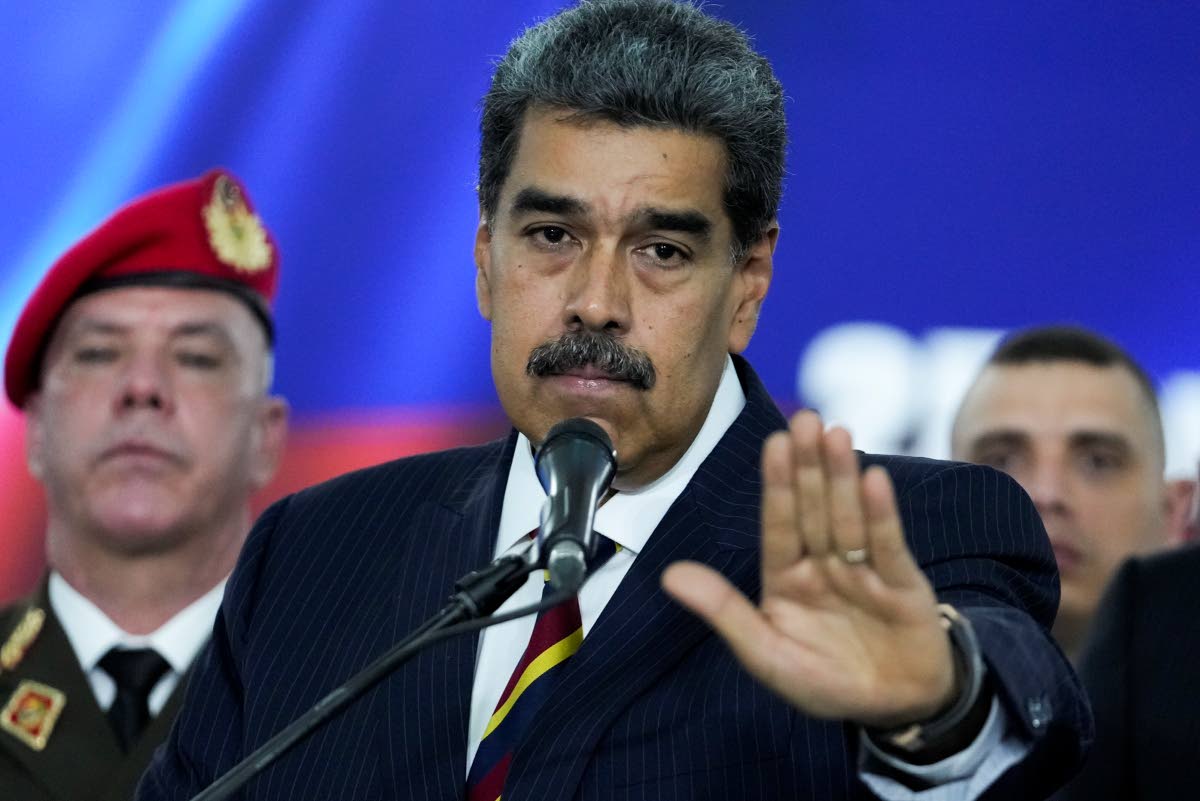
A prominent Caribbean voice has raised serious concerns about the unsubstantiated nature of U.S. narco-terrorism charges against Venezuelan President Nicolás Maduro, suggesting they may serve as pretext for resource-driven regime change. In a compelling editorial analysis, the author notes that according to U.S. Drug Enforcement Agency data, 95% of narcotics reaching the United States transit via the Pacific seaboard from Colombia, Ecuador, and Honduras—not Venezuela.
The timing of Washington’s recent release of convicted Honduran narco-trafficker and former president Juan Hernández—imprisoned for smuggling 400 tons of cocaine into the U.S.—further undermines the credibility of charges against Caracas, according to the analysis. These developments coincide with concerning military maneuvers, including the installation of advanced U.S. radar systems in Tobago and the interception of Venezuelan oil tankers.
The editorial warns that Trinidad and Tobago’s alignment with American foreign policy risks damaging regional relationships throughout Caricom while offering questionable benefits. Should regime change efforts in Venezuela ultimately fail, the nation could find itself diplomatically isolated from neighboring states.
The analysis further cautions about potential collateral damage from escalating tensions, including the possibility of Venezuelan forces targeting the Tobago radar installation if conflict erupts over intercepted tankers. While Trinidad’s energy sector remains under substantial U.S. influence, the population could nonetheless face unintended consequences from any military confrontation between Caracas and Washington.
The author concludes that maintaining neutrality would have been the prudent course, acknowledging the considerable pressure facing the Prime Minister from both American officials and domestic political elements who have historically supported regime change in Venezuela.