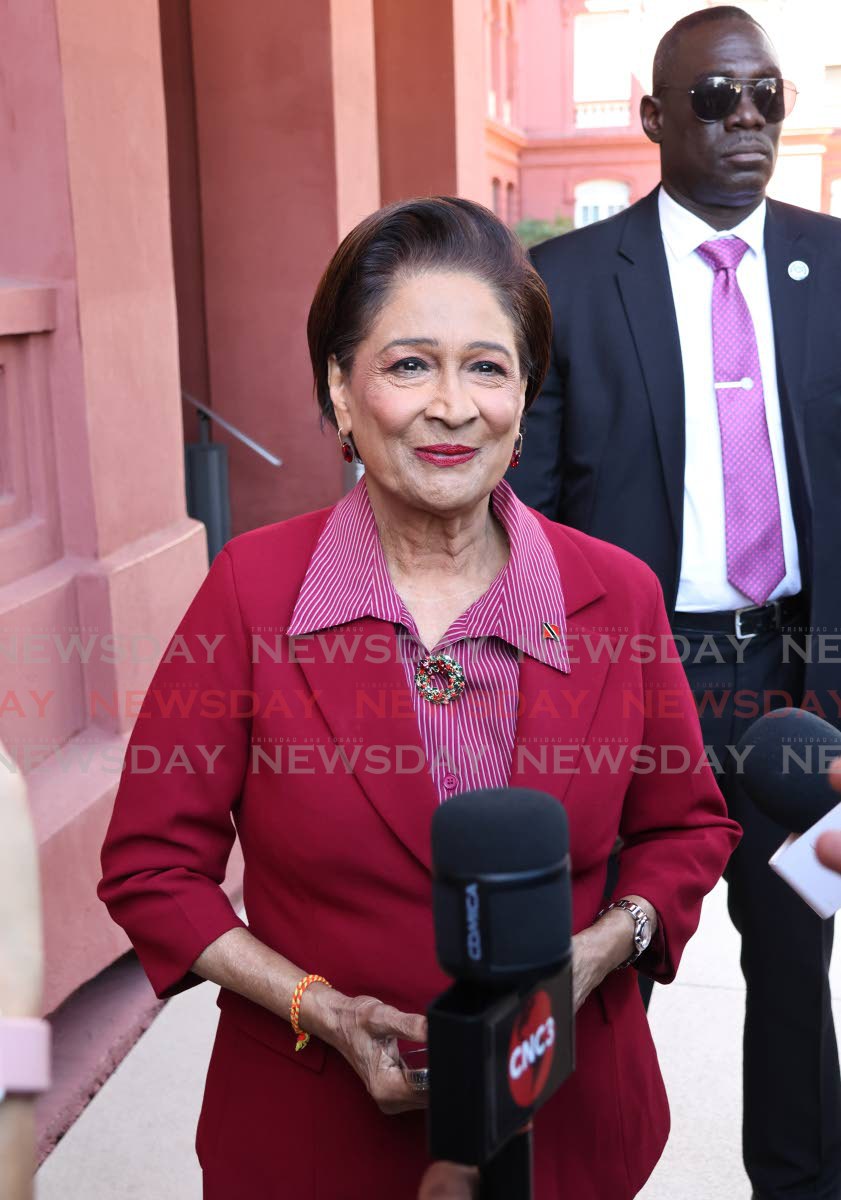
A recent court case in Trinidad and Tobago has ignited intense debate about free speech, government power, and international hypocrisy. A 32-year-old mother of two received a three-year bond for social media posts allegedly inciting violence against Prime Minister Kamla Persad-Bissessar, raising concerns about the application of emergency powers regulations in digital expression cases.
While acknowledging the need to prevent reckless speech that could endanger public order, the case highlights troubling inconsistencies in how incitement is defined and prosecuted. The author contrasts the severe treatment of a local citizen expressing views through digital platforms with the United States government’s aggressive actions in the region.
The commentary points to specific US military actions—destroying vessels without publicly presented evidence, seizing oil tankers internationally, and suggesting Venezuelan territory might be negotiable—as examples of actual violence that face no legal consequences. These actions, backed by military might and economic pressure, represent tangible threats to regional stability that go unchallenged while individual citizens face severe penalties for digital expression.
The case exposes what the author describes as a fundamental double standard: incitement is only treated as criminal when it comes from powerless individuals, while identical behavior from nations with military capabilities is accepted as standard foreign policy. This disparity raises critical questions about whose security truly receives protection under emergency regulations and whether principles of justice are applied equally across different levels of power and influence.