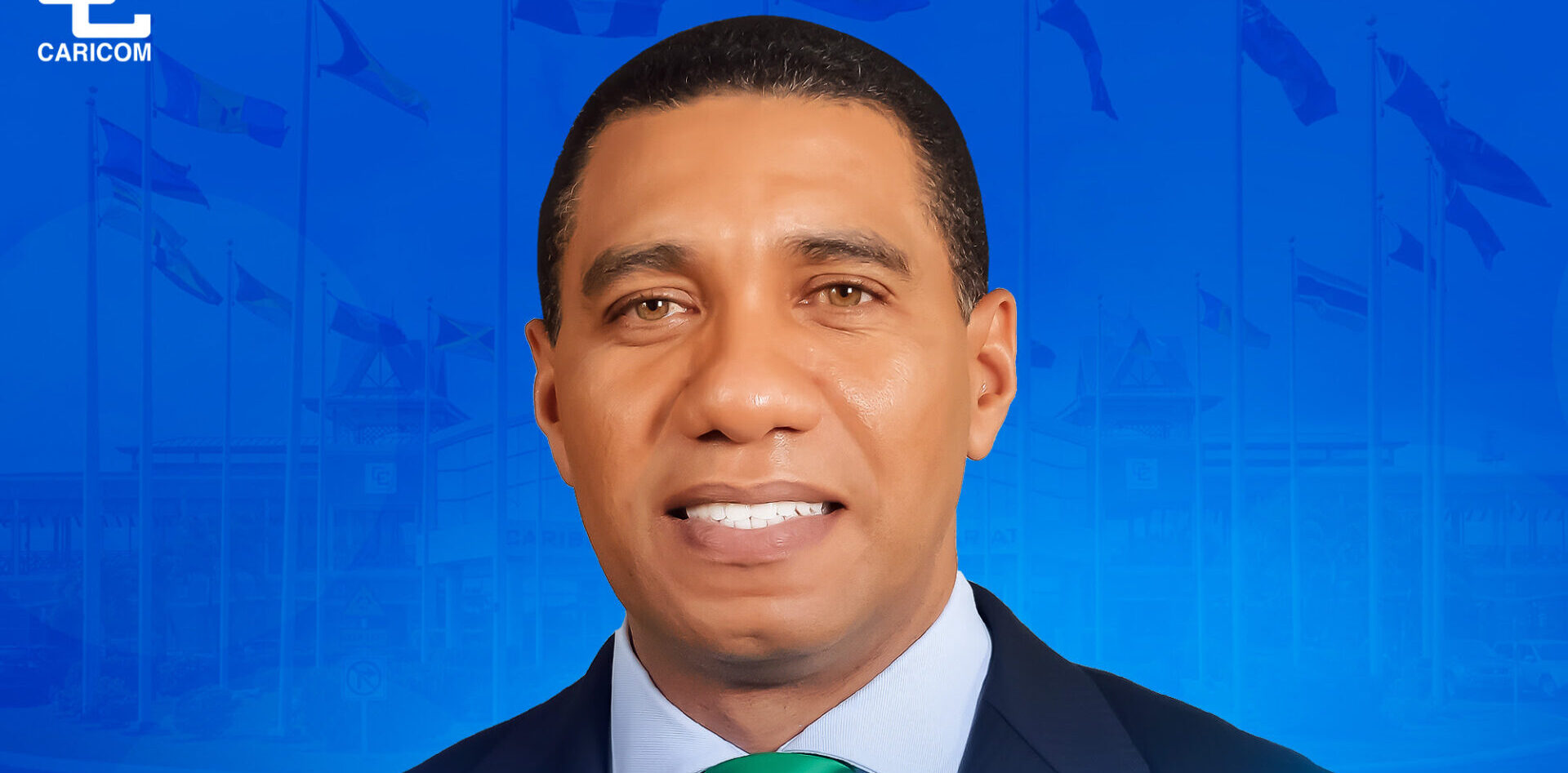
In her concluding address as Chair of the Caribbean Community (CARICOM), Jamaica’s Prime Minister reflected on a period of significant regional achievement and collective resilience throughout 2025. The Caribbean nations demonstrated remarkable solidarity while confronting the catastrophic impacts of Hurricane Melissa, with international and regional support underscoring the fundamental strength of their regional alliance.
CARICOM achieved historic milestones in regional integration with four member states—Barbados, Belize, Dominica, and St. Vincent and the Grenadines—implementing full free movement of persons effective October 2025. This ‘concentric circles’ model enables progressive integration while permitting other nations to join when prepared.
Amid shifting global trade dynamics, CARICOM successfully safeguarded its economic interests through coordinated advocacy with the CARICOM Private Sector Organization and strategic international partners. Enhanced air connectivity and trade initiatives further strengthened regional food security and economic cooperation.
On the global stage, CARICOM maintained a unified voice through high-level engagements at the United Nations General Assembly, G20 Summit, and CELAC-EU Summit. The Conference addressed emerging security challenges through the Montego Bay Declaration on Transnational Organized Crime and Gangs, recognizing the intrinsic link between security and sustainable development.
While COP30 reaffirmed multilateral commitments to climate action, outcomes failed to adequately address the urgent needs of Small Island and Low-lying Coastal Developing States. CARICOM remains steadfast in its commitment to the 1.5°C goal and acknowledged the critical work of regional agencies in climate resilience and disaster management.
The Community advanced strategic partnerships with Africa through the Second Africa-CARICOM Summit, fostering collaboration on trade, investment, and global advocacy including reparations. CARICOM sustained its advocacy for Haiti, supporting international efforts toward stability and anticipating free elections in 2026.
CARICOM reaffirmed its commitment to maintaining the Caribbean as a Zone of Peace, grounded in respect for international law and peaceful conflict resolution. While acknowledging occasional divergent perspectives among sovereign members, the Community emphasized that institutional mandates and people-to-people connections remain unwavering.
As geopolitical landscapes evolve, CARICOM will continue navigating international challenges through clarity, cohesion, and adherence to shared principles of sovereignty and diplomatic engagement. The outgoing Chair expressed confidence in the Community’s enduring strength and optimistic outlook for regional cooperation under new leadership.