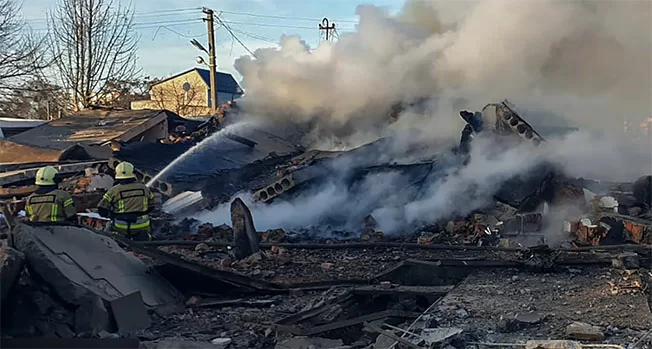
Tensions surrounding the Ukraine conflict have significantly escalated in recent days, coinciding with the anticipated diplomatic conversation between Ukrainian President Volodymyr Zelensky and U.S. President Donald Trump. Russia has launched renewed large-scale assaults on Ukrainian urban centers, while diplomatic efforts to transition the conflict toward negotiations have visibly intensified.
Ukrainian authorities report that recent Russian missile and drone attacks have targeted civilian infrastructure, including residential areas and energy facilities. President Zelensky has further accused Russia of utilizing Belarusian territory to circumvent Ukrainian defense lines, a development that potentially internationalizes the conflict. Moscow has not officially confirmed these allegations.
Against this backdrop of military escalation, Zelensky and Trump are scheduled to discuss potential new diplomatic initiatives. American media sources indicate that Trump has expressed confidence about reaching agreements that could terminate the conflict, though he emphasized that decisive progress would require substantial concessions from all involved parties.
Zelensky is expected to present a modified peace proposal during the talks, featuring security guarantees, demilitarized zones, and international involvement as central components. Russia has previously stated its willingness to negotiate only if territorial realities are acknowledged—a position that remains highly sensitive for Ukraine and its Western allies.
Strategic analysts observe that the synchronization of military escalation and diplomatic overtures is deliberate. By increasing battlefield pressure immediately preceding political discussions, Russia aims to strengthen its negotiating position. Concurrently, the United States faces critical strategic decisions regarding its mediation role and future support for Ukraine.
The outcome of the Zelensky-Trump dialogue could have profound implications for the trajectory of the conflict and international relations. Furthermore, either a breakthrough or failure in negotiations may generate significant economic repercussions, potentially affecting global energy prices, food security, and investment confidence worldwide.