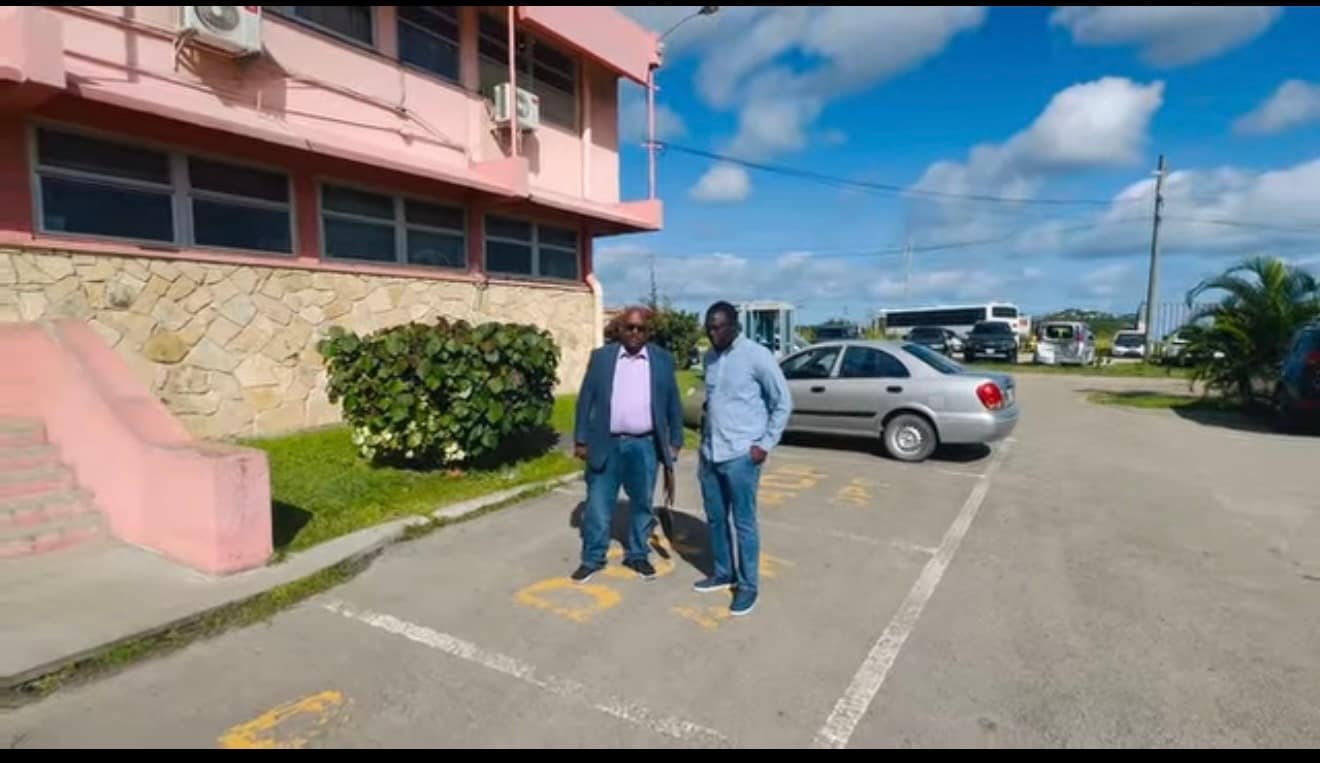
Antigua’s political landscape has ignited with controversy as the United Progressive Party rallies its base for public demonstrations following police interrogation of Opposition Leader Jamale Pringle. The escalating confrontation stems from an official summons issued to Pringle concerning the mysterious incineration of Antigua Public Utilities Authority materials at Old Road.
The opposition faction has launched vehement accusations against the Royal Police Force of Antigua and Barbuda, asserting that Commissioner Atlee Rodney has succumbed to executive pressure from Prime Minister Gaston Browne’s administration. In an emotionally charged communiqué distributed to supporters, the party framed the police action as a blatant instrument of political victimization rather than legitimate law enforcement procedure.
Central to the brewing storm is the party’s firm declaration that Pringle maintains zero connection to the Old Road incident, citing absence of incriminating evidence. The summons has been characterized as systematic persecution targeting government critics, prompting the opposition to designate their planned mass mobilization as ‘Freedom Day’—a dramatic demonstration against alleged politicization of law enforcement institutions.
While opposition supporters prepare for organized protests demanding cessation of what they term intimidation tactics, law enforcement authorities maintain procedural silence regarding the allegations. Official sources previously emphasized that investigative summonses represent standard practice rather than criminal accusations, though this clarification has failed to mollify political tensions.
The underlying incident—the destructive fire consuming APUA materials related to ongoing infrastructure projects—remains under active investigation with no charges filed. This development occurs against a backdrop of heightened political sensitivities, highlighting the delicate balance between law enforcement autonomy and political influence in the Caribbean nation’s democracy.