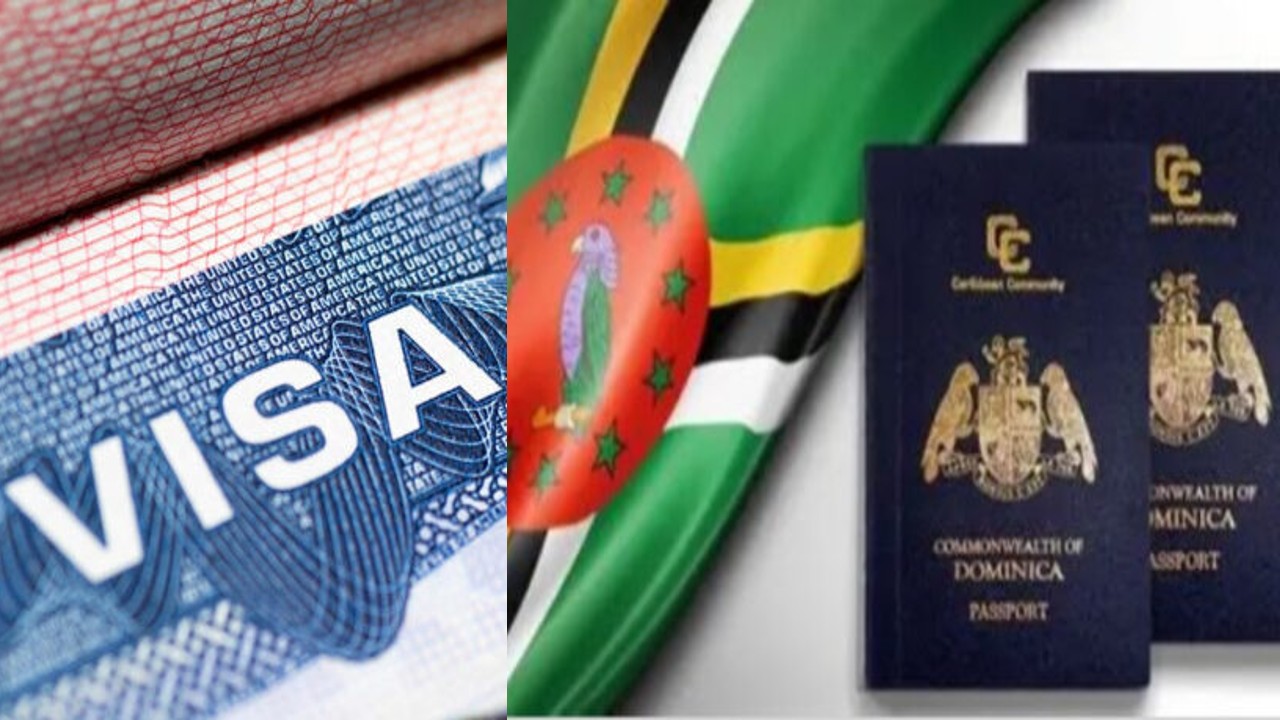
In a sharp rebuttal to U.S. border security pressures, Caribbean nation Dominica has characterized American demands as unreasonable and bordering on mockery. The response comes amid heightened tensions over Citizenship by Investment (CBI) programs and their perceived impact on U.S. national security.
President Trump’s administration has asserted that CBI passport holders represent a security threat, but Dominican officials present a contrasting perspective. They argue that background checks can only identify officially recorded criminal history, and that individuals without existing records cannot be flagged through standard vetting processes.
The core dispute centers on information sharing limitations. According to the Dominican position, the United States maintains inadequate data transparency regarding visa denials. Currently, neither international due diligence firms nor vetting agencies can access U.S. visa denial databases, creating what Dominica describes as a structural flaw in American information policy.
Rather than pressuring small nations, Dominican authorities suggest the United States should leverage its advanced technological capabilities to create and maintain a comprehensive database of security risks. Such a system would include criminals, fraudsters, and suspected terrorists, while improving international information-sharing mechanisms.
The article emphasizes that national security represents a shared global responsibility, but contends that accountability must begin with domestic policy reforms. This perspective challenges the current approach of imposing external pressure on smaller nations while maintaining internal data limitations.