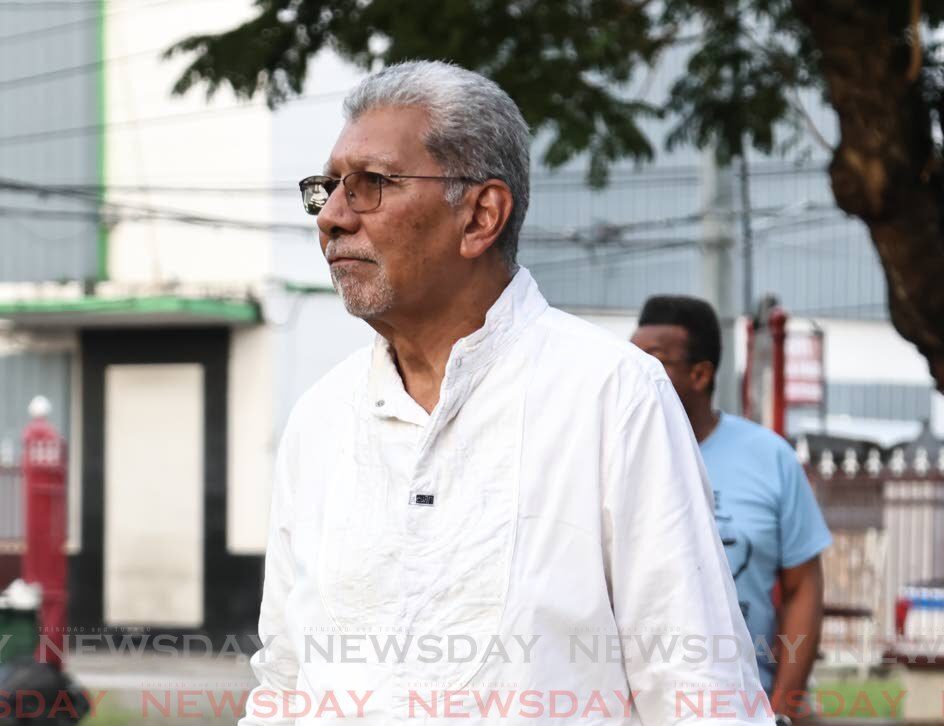
Amid the festive season, a stark political divide has emerged in Trinidad and Tobago regarding regional military presence and the true meaning of Christmas peace. Movement for Social Justice (MSJ) leader David Abdulah has issued a solemn Christmas message warning that the core message of peace is being overshadowed by escalating global conflicts and commercial exploitation.
Abdulah invoked biblical symbolism, drawing parallels between contemporary conflicts and historical oppression. He specifically referenced Christ’s actions in overturning money changers’ tables, condemning the modern commercialization of religious observances. ‘Christmas has become totally commercialized as a rapacious capitalist system sees the opportunity to make significant profits,’ Abdulah stated, arguing that this undermines the spiritual significance of the season.
The political leader expressed particular concern about multiple global conflict zones, drawing direct comparisons between Israeli military operations in Gaza and West Bank to King Herod’s biblical massacre of infants. He further cited conflicts in Ukraine, Sudan, and Democratic Republic of Congo as examples where mineral wealth acquisition drives violence beneath surface-level narratives.
Closer to home, Abdulah characterized US military deployment near Venezuela’s territorial waters as ‘old-style gunboat diplomacy’ aimed at forced regime change. He referenced President Trump’s recent statements suggesting objectives beyond initial anti-narcotics claims, including potential seizure of oil assets. Abdulah interpreted these actions through the lens of US National Security Strategy 2025, which explicitly aims to ‘restore American pre-eminence in the Western Hemisphere.’
In stark contrast, Prime Minister Kamla Persad-Bissessar has publicly endorsed US military presence in the region, defending both the establishment of a US radar facility in Tobago and military actions against alleged drug vessels. She has openly broken with CARICOM’s traditional ‘zone of peace’ consensus, stating Trinidad and Tobago ‘wants no part of alignment’ with what she termed the ‘Maduro narco government.’
Persad-Bissessar’s Christmas message employed different biblical references, focusing on liberation from oppression. Citing Luke 4:18 and John 1:9, she emphasized Christ’s role as liberator while drawing parallels between Herod’s tyranny and contemporary regional governance. Without explicitly naming Venezuela, she described populations ‘forced to live under repression, violence, and economic hardship’ in neighboring countries.
The fundamental disagreement between these political perspectives highlights deeper ideological fractures regarding sovereignty, regional policy, and the interpretation of peace during the Christmas season.