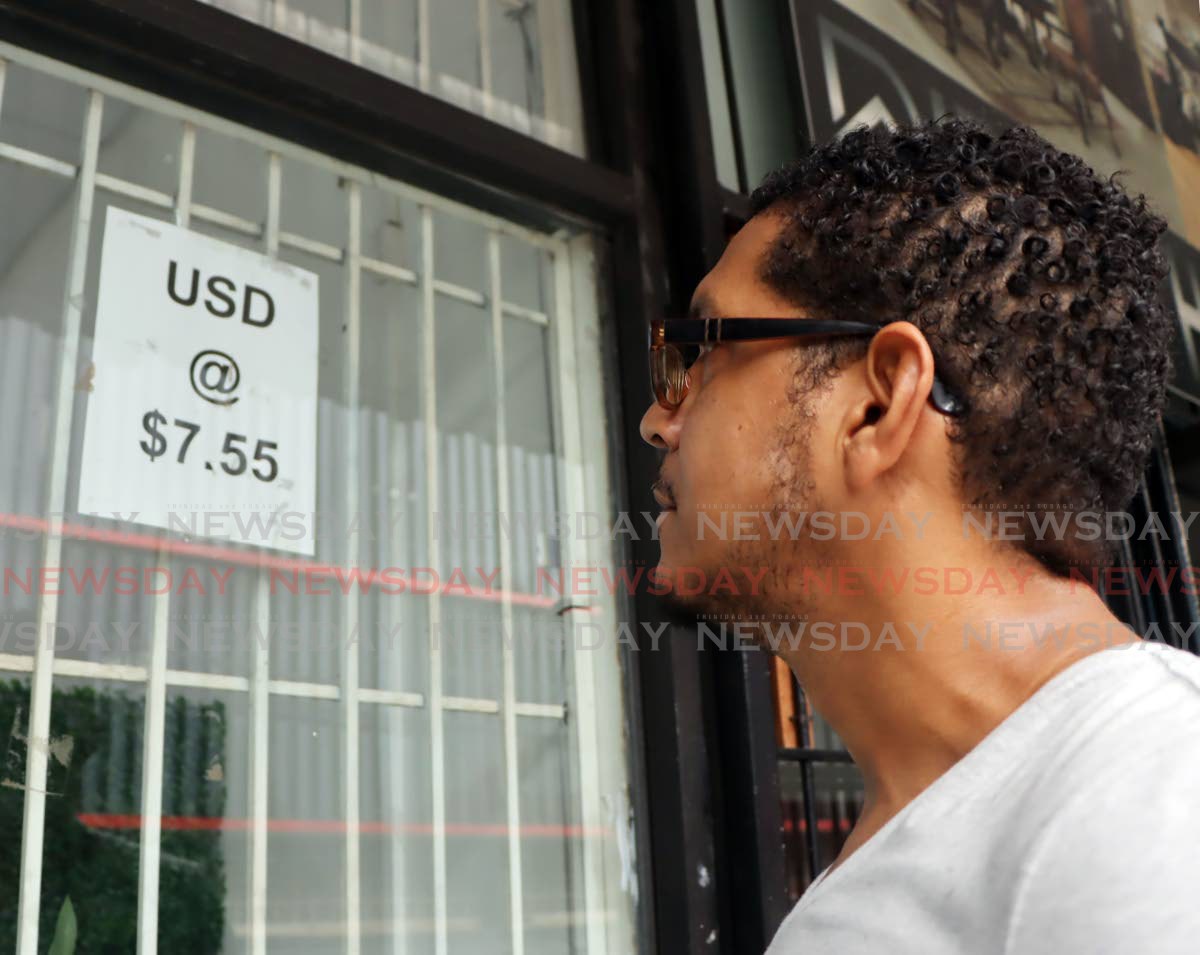
Trinidad and Tobago’s foreign exchange crisis has evolved from a cyclical concern to a structural economic emergency, creating profound challenges for businesses and threatening the nation’s economic diversification goals. The widening chasm between official and parallel exchange rates—evidenced by street-level transactions offering TT$7.55 for one US dollar—signals deep market distortions with far-reaching implications.
Businesses across sectors, particularly small and medium enterprises and manufacturers, confront unpredictable access to foreign currency, resulting in operational delays, inflated costs from informal market premiums, and diminished competitiveness in international markets. This crisis transcends commercial concerns, impacting employment, pricing structures, investment decisions, and the nation’s broader economic transformation.
Four fundamental drivers underpin this crisis: an artificially overvalued TT dollar creating excess demand while discouraging official inflows; structural decline in oil and gas production reducing traditional forex earnings; heavy import dependency across essential goods; and self-perpetuating uncertainty causing businesses to hoard foreign currency rather than circulate it through formal channels.
Economic data reveals concerning trends: only two significant exchange rate adjustments since the 1990s, with rates effectively frozen since 2017. While foreign currency deposits within the banking system have grown substantially, this liquidity remains stagnant due to confidence issues and structural intermediation constraints. Energy exports continue dominating earnings while non-energy sectors struggle with uncompetitive production costs exacerbated by exchange rate misalignment.
Addressing this crisis requires moving toward market-reflective exchange rates despite inflationary concerns. Historical evidence suggests such adjustments, when supported by prudent monetary and fiscal policies, yield manageable inflation while enhancing competitiveness. Bringing parallel market activity into regulated frameworks through expanded licensed trading would establish true equilibrium pricing and reduce informal transactions.
Solving this national challenge demands coordinated action among government, central banking authorities, and private sector stakeholders. Priorities include encouraging foreign direct investment, enhancing export capacity, accelerating economically viable local production, and creating conditions where larger export-oriented firms can achieve forex self-sufficiency. The Trinidad and Tobago Chamber of Industry and Commerce emphasizes evidence-based solutions to safeguard economic resilience and sustainable growth for all citizens.