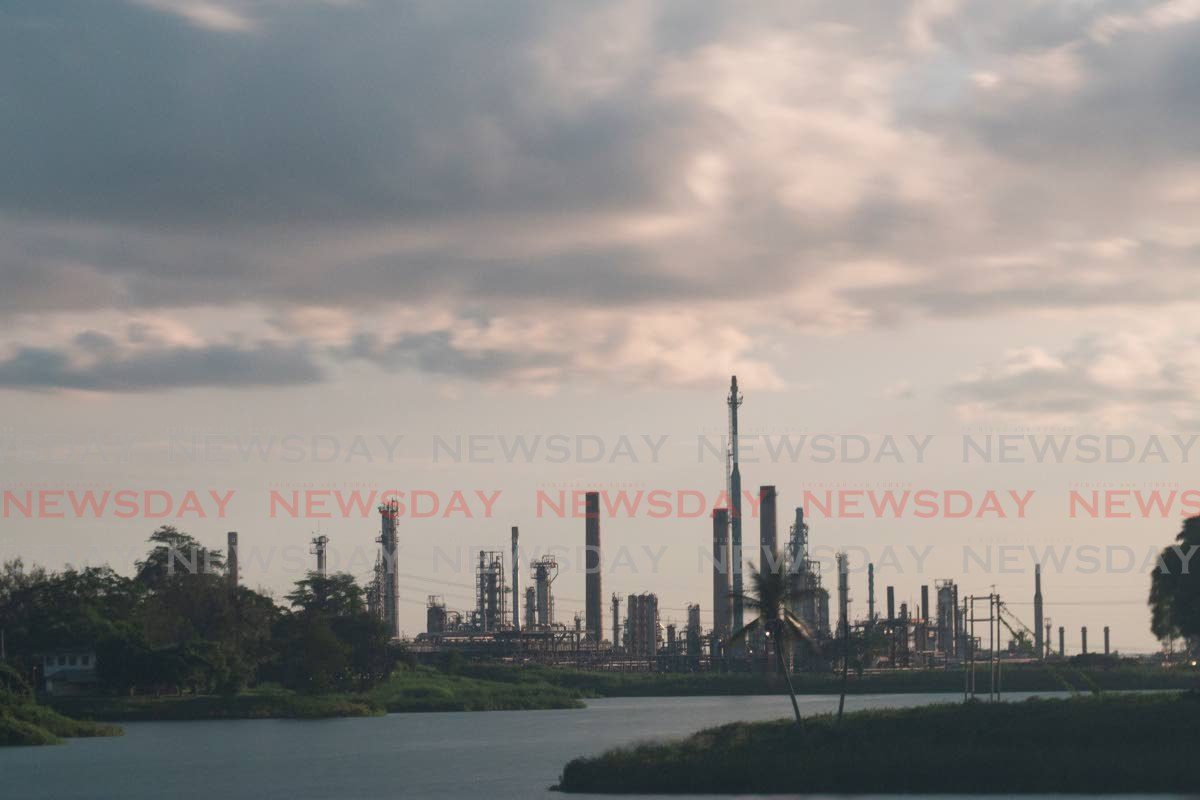
The closure of Trinidad and Tobago’s Pointe-a-Pierre petroleum refinery in 2018 marked the end of an era when the nation served as a regional energy powerhouse. Formerly operational under Petrotrin, the facility once supplied Trinidad and much of the Caribbean with comprehensive refined petroleum products including LPG, unleaded gasoline, jet fuel, kerosene, diesel, fuel oil, bitumen, sulphur, and base lubricants, establishing national self-sufficiency and export capabilities.
Current global energy transformations have revealed that modernizing the refinery represents not merely an option but a strategic necessity. Trinidad possesses the scientific and industrial foundation to develop high-value derivatives from its indigenous Pitch Lake resources. Lake Asphalt has already demonstrated this potential through exporting refined pitch and sealants—a niche, high-margin market that remains significantly underutilized despite its considerable value.
A reactivated facility must be future-proofed to process Guyana’s light sweet crude, currently among the hemisphere’s most sought-after commodities. Failure to capitalize on this opportunity would allow other nations to profit from refining Guyanese crude. Simultaneously, the refinery should be engineered to handle Venezuelan heavy crude, leveraging Trinidad’s geographical advantage to achieve substantial freight savings, faster shipment turnarounds, and blending capabilities for regional distribution.
Rather than observing competitors seize these opportunities, Trinidad should reposition the refinery as the Caribbean’s premier toll refining facility, blending hub, and finished product supplier. The nation has never lacked technical expertise, natural resources, or strategic location—only the political determination to reactivate this critical asset in alignment with evolving hemispheric energy dynamics and geopolitical realities.